How to Prune Thalia lovegrass?
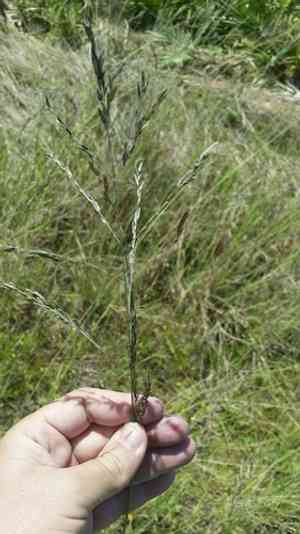
Maintaining thalia lovegrass, a lofty, enduring clump-forming grass, requires the elimination of aged or deceased leaves prior to the emergence of new vegetation. Perform trimming in the initial part of spring or during winter while the plant is inactive. Sever spent blossoms and clip withered foliage to soil level to stimulate fresh sprouts and preserve vigor. Trimming improves air movement, lowers the chance of illness, and fosters thicker, more vibrant development. Exercise restraint when pruning to prevent causing distress to the plant.
What Are the Benefits of Pruning Thalia Lovegrass?
What Are the Benefits of Pruning Thalia Lovegrass?
Trimming thalia lovegrass promotes robust development and maintains its desired shape, ensuring the plant stays healthy and visually appealing in a garden setting.
What Is the Best Time for Pruning Thalia Lovegrass?
What Is the Best Time for Pruning Thalia Lovegrass?
Trimming thalia lovegrass in early spring is optimal, just before the growth season begins, allowing the plant to recover and produce new growth efficiently. Pruning at this time ensures the plant keeps its form and vigor as it enters its active growth phase. During winter, the plant is dormant. Pruning then helps remove dead or diseased foliage without stressing the plant, as it's not actively growing. This timing also prepares thalia lovegrass for strong growth once temperatures rise. Furthermore, as a grass species, thalia lovegrass benefits from cutting back old foliage to encourage thicker, healthier regrowth. Pruning during these seasons aligns with thalia lovegrass's natural growth cycle and helps prevent issues that could arise from cutting during flowering or when the plant is under environmental stress.
What Tools Do I Need to Prune Thalia Lovegrass?
Bypass pruners
Perfect for making clean cuts on young, green stems of thalia lovegrass without crushing plant tissues.
Grass shears
Suitable for trimming the edges of thalia lovegrass clumps to maintain desired shape and remove any uneven or damaged blades.
Handheld hedge shears
Useful for shaping thalia lovegrass when a more extensive cut-back is needed, especially for larger clumps.
Loppers
Best for cutting through thicker, woodier parts at the base of mature thalia lovegrass, providing leverage for precise control.
How to Prune Thalia Lovegrass
Clean equipments
Before trimming thalia lovegrass, ensure all pruning tools are clean and sterilized to prevent disease spread.
Inspect plant
Carefully examine thalia lovegrass for any diseased or withered leaves. Identification is crucial to ensure only necessary parts are removed.
Remove diseased leaves
Using sharp, clean pruning shears, cut away any diseased leaves from thalia lovegrass, ensuring complete removal to prevent further infection.
Trim withered leaves
Trim off the withered leaves of thalia lovegrass, which are no longer photosynthetically active, to promote healthy growth and improve air circulation around the plant.
Dispose waste
Properly dispose of all removed material from thalia lovegrass, ideally far from healthy plants, to prevent any potential disease spread.
Common Pruning Mistakes with Thalia Lovegrass
Over-pruning
Removing too much foliage from thalia lovegrass can shock the plant, leading to weakened health or reduced vigor. This is a common error, as gardeners may unintentionally cut back the plant too aggressively.
Using dull tools
Pruning thalia lovegrass with dull blades can result in jagged cuts that make the plant more susceptible to disease and pests.
Random cutting
Making cuts without understanding the growth pattern of thalia lovegrass can lead to an undesirable shape and potentially harm the plant's growth.
Ignoring dead material
Failing to remove dead or diseased foliage from thalia lovegrass can hinder new growth and may facilitate the spread of disease.
Pruning into the crown
Cutting into the crown, where new shoots emerge, can damage the plant. Novice gardeners might cut too close to the crown without realizing it hinders the plant's ability to regenerate.
Common Pruning Tips for Thalia Lovegrass
Sharp clean tools
Use sharp, clean tools for pruning thalia lovegrass to make precise cuts and prevent the spread of disease.
Follow natural form
Prune thalia lovegrass by following its natural form, selectively removing just the dead or overgrown stems to maintain an attractive shape without compromising the plant's structure.
Gradual pruning
Employ gradual pruning techniques with thalia lovegrass, especially when shaping the plant or controlling its size, to avoid shock.
Inspect regularly
Regularly inspect thalia lovegrass for any signs of disease or dead material and prune as necessary to promote healthy growth.
Cut above growth nodes
When pruning thalia lovegrass, make cuts above growth nodes or buds, ensuring that you do not harm the nodes from which new growth will emerge.



