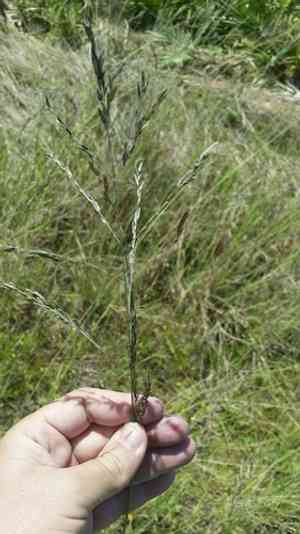
Thalia lovegrass (Eragrostis atrovirens)
Also known as: Green Lovegrass
Eragrostis atrovirens is a grass species commonly found in tropical and subtropical regions across the globe.
In This Article
Attributes of Thalia lovegrass
Lifespan
Perennial
Plant Type
Grass
Plant Height
50 cm to 1 m
Spread
N/A
Leaf Color
Green
Flower Size
2 cm to 4 cm
Flower Color
Green Gray
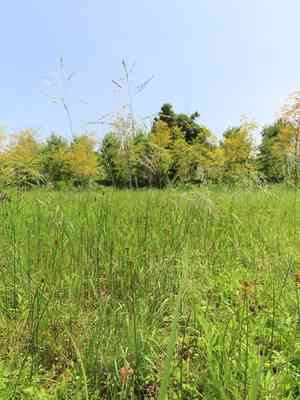
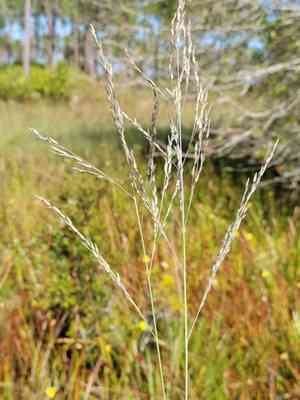
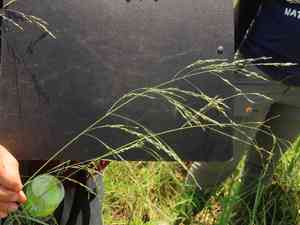
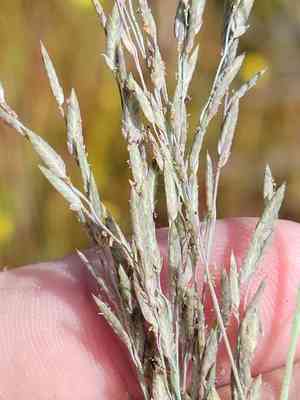
Images of Thalia lovegrass
Quickly Identify Thalia lovegrass
1
You can identify Eragrostis atrovirens by its narrow, linear leaves and greenish inflorescence. The grass often forms dense tufts, and its stems can be slightly rough to the touch.
Scientific Classification of Thalia lovegrass
Phylum
Vascular plants
Class
Monocotyledons
Order
Poales
Family
Grass
Genus
Lovegrasses
Species
Thalia lovegrass
Planting and Growing of Thalia lovegrass
Care Difficulty
Easy
Watering Schedule
Every 3 days
Sunlight Requirements
Partial sun
Sunshine Duration
6-10 hours
Ideal Temperature
70-85℉
Soil Type
Potting Mix, Peat Mix
Soil pH
6.5-7.5
Fertilizer Type
Balanced
Pruning Season
Spring, Summer
Pruning Area
Branches, Leaves
Pruning Frequency
2 times a year
Repotting Season
Spring
Pot Type
Plastic, Ceramic
 How to Water Thalia lovegrass?
Eragrostis atrovirens appreciates moderate watering. Apply 200 ml of water per session, ensuring moisture seeps evenly through the soil. The goal is to keep the soil sufficiently moist, avoiding waterlogging while allowing the roots to absorb adequate moisture.
What are the symptoms of an underwatered Thalia lovegrass?
›
What should I do if my Thalia lovegrass is not getting enough water?
›
What are the symptoms of an overwatered Thalia lovegrass?
›
How to save an overwatered Thalia lovegrass?
›
 What Are the Sunlight Requirements for Thalia lovegrass?
Partial sun is ideal, where Eragrostis atrovirens benefits from morning sunlight and afternoon shade. This balance prevents leaf burn and maintains necessary light for photosynthesis, thus supporting healthy growth and resilience.
How much sun does Eragrostis atrovirens need?
›
Can Eragrostis atrovirens tolerate full sun?
›
Best practices for Eragrostis atrovirens on cloudy days?
›
 What Is the Ideal Temperature Range for Thalia lovegrass?
Eragrostis atrovirens thrives best in temperatures ranging from 70°F to 85°F. This range promotes optimal growth and development, ensuring strong and healthy foliage. Maintaining this temperature allows the plant's metabolic processes to function efficiently, contributing to vibrant and robust plant life.
 What Soil is Best for Thalia lovegrass?
Eragrostis atrovirens thrives in well-drained soil, which prevents root rot by allowing excess water to escape. Its deep-root system benefits from the aerated conditions, promoting healthy growth and resilience. This plant prefers soils with moderate fertility. Balanced nutrient access ensures Eragrostis atrovirens develops a robust structure while avoiding excessive foliage growth that could weaken the plant. Having a moderate moisture retention capacity supports the plant's growth cycles by ensuring consistent water availability without waterlogging, crucial for its sustainability in variable climates.
 How to Fertilize Thalia lovegrass?
For Eragrostis atrovirens, the fertilizer amount should be moderate. A common recommendation is to use a balanced 10-10-10 fertilizer diluted to half strength for liquid fertilizer applications. For granular slow-release fertilizers, following the manufacturer's instructions based on your plant's size and soil condition is crucial.
 How to Prune Thalia lovegrass?
Focus on removing dead, diseased, or damaged stems initially. Then, selectively thin crowded areas to improve air circulation, which helps prevent fungal issues in Eragrostis atrovirens. When cutting, aim to prune just above the growth node or the culm, always angling your cuts slightly to allow water to drain away naturally and prevent rot.
More About Pruning Techniques→
 How to Propagate Thalia lovegrass plant?
1
To propagate Eragrostis atrovirens from seed, fill your seed trays with a quality seed-starting mix, evenly moisten the surface and scatter the seeds without covering them too deeply as they require light to germinate.
2
When dividing, ensure the plant is well-watered the day before. Use a garden fork to dig up the entire clump, then gently pull apart the roots into smaller sections, each with healthy shoots and roots.
3
Place seed trays in a location with bright, indirect sunlight. If natural light is insufficient, using grow lights on a 12-16 hour cycle can aid in providing the necessary light for strong seedling development.
 How to Repot Thalia lovegrass plant?
1
Repot Eragrostis atrovirens when you notice roots protruding from the drainage holes or when growth appears stunted. These signs indicate that the plant has outgrown its current pot, necessitating a new, larger home with fresh soil to continue thriving.
2
Opt for a pot that is 1-2 inches larger in diameter than the current one. This provides ample room for growth without overwhelming the root system. Ensure the pot has drainage holes to prevent waterlogging, maintaining optimal soil conditions and preventing root rot.
3
Choose a well-draining potting mix rich in organic matter. This type of soil offers excellent aeration and nutrient retention, encouraging robust root development and healthy growth. The well-draining nature also minimizes the risk of root rot in this grass species.



