How to Transplant Branched scouringrush?
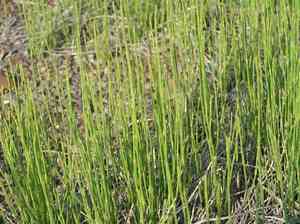
The optimal period for relocating branched scouringrush is from the mild warmth of late spring through early summer, providing an ideal combination of moderate temperatures and ground conditions favorable for root development. Choose a location featuring damp, adequately drained earth, and guarantee sufficient room for lateral expansion. A helpful suggestion: branched scouringrush flourishes with steady hydration, so contemplate placing it close to aquatic elements or in inherently moist zones.
Essential Preparations Before Moving Branched Scouringrush
Optimal Period for Relocating Branched Scouringrush?
The best time to move branched scouringrush is as spring transitions into summer. This period offers mild temperatures and extended daylight, providing branched scouringrush with an ideal balance of warmth and light to establish roots in its new spot. Placing branched scouringrush in its new home during this window leverages the start of the growing season, promoting robust growth and resilience before intense summer heat. Choosing this transplanting schedule ensures branched scouringrush gets a strong start, leading to lush, healthy development.
Required Spacing Between Branched Scouringrush Plants?
When transplanting branched scouringrush, allow ample room for each plant to thrive. A distance of 12-24 inches (30-61 cm) between plants will ensure sufficient space.
Ideal Soil Mixture for Branched Scouringrush Transplantation?
Prepare a soil that drains well and is rich in organic matter for your branched scouringrush. Incorporating a slow-release, balanced fertilizer during preparation will aid branched scouringrush in establishing itself effectively.
Recommended Location for Branched Scouringrush Relocation?
Branched scouringrush thrives in areas with full to partial sun. Select a site where your plant will receive at least 4 hours of direct sunlight daily, while being shielded during the hottest parts of the day.
Tools Required Before Transplanting Branched Scouringrush
Gardening Gloves
To safeguard your hands while handling soil and plants.
Shovel or Garden Spade
For excavating branched scouringrush from its original site and preparing a new planting hole.
Watering Can or Hose
To hydrate branched scouringrush before and after its relocation.
Wheelbarrow or Garden Cart
For moving branched scouringrush and soil.
Pruning Shears
To trim any damaged roots or stems.
Measuring Tape
To ensure correct spacing between transplanted plants.
Stakes or Plant Supports
To offer stability to branched scouringrush as it settles in.
Mulch
To help maintain soil moisture and suppress weeds around the new planting area.
How to Extract Branched Scouringrush from the Ground?
How to Extract Branched Scouringrush from the Ground?
From Ground: First, moisten the soil around branched scouringrush to facilitate removal. Use a shovel or spade to dig a wide circle around the plant, taking care to preserve the root ball. Gently slide the shovel under the root ball and carefully lift branched scouringrush from the ground.From Pot: Begin by watering your branched scouringrush to ease its transfer. Tilt the pot sideways and gently tap or squeeze it to loosen branched scouringrush and its root ball. Carefully slide the plant out, supporting both the plant and the root ball.From Seedling Tray: Ensure the branched scouringrush seedling is well-hydrated. Use a spoon or a dibber to carefully lift the seedling and its root system from the tray without causing damage.
Step-by-Step Guide for Transplanting Branched Scouringrush
Preparation
Prepare the new planting site by clearing any weeds or debris. Loosen the soil with a shovel.
Digging Hole
Excavate a hole in the prepared area that is twice as wide and as deep as the branched scouringrush's root ball, allowing roots to spread easily.
Root Pruning
Examine the branched scouringrush's root ball and trim any damaged or excessively long roots with pruning shears. This promotes new growth.
Planting
Position branched scouringrush in the center of the hole, ensuring it stands upright. The top of the root ball should be level with the ground surface.
Backfilling
Gently refill the hole with soil around branched scouringrush. Fill the hole halfway, then water to settle the soil before completing the fill.
Staking
If branched scouringrush is tall or in a windy location, insert stakes around the plant and loosely tie branched scouringrush for support.
Mulching
Apply a layer of mulch around the base of branched scouringrush to conserve moisture and reduce weed competition. Keep the mulch a few inches from the stem to prevent rot.
Watering
Water branched scouringrush thoroughly after transplanting to eliminate air pockets and ensure good soil-to-root contact.
Post-Transplant Care for Branched Scouringrush
Watering
Maintain consistent soil moisture around branched scouringrush without over-saturating. Regular, moderate hydration aids root establishment.
Inspecting
Periodically check branched scouringrush for signs of stress or damage. Early detection of issues allows for prompt action.
Adjusting Support
Verify that stakes and plant supports are effective but not too constricting, adjusting as needed to accommodate growth.
Resolving Common Issues with Branched Scouringrush Transplantation.
When is the best time to transplant branched scouringrush?
The ideal period to transplant branched scouringrush is when temperatures rise, typically from late spring to early summer.
What spacing should I use for branched scouringrush when transplanting?
Space branched scouringrush 12-24 inches (30-60 cm) apart, allowing each plant room to develop.
Why is my transplanted branched scouringrush wilting after planting?
Wilting can result from shock. Minimize root disturbance, water thoroughly post-transplant, and provide temporary shade.
How deep should branched scouringrush roots be planted?
Plant branched scouringrush so the root crown is just at soil level, no deeper, to prevent rot.
Which soil type is best for transplanting branched scouringrush?
Utilize well-drained, fertile soil. Amend heavy clay or sandy soils with compost to enhance plant vitality.
Should I water branched scouringrush immediately after transplanting?
Yes, provide branched scouringrush with a thorough watering to settle the soil around the roots and remove air pockets.
Can I use fertilizer when transplanting branched scouringrush?
Avoid strong fertilizers; instead, use a mild, balanced starter solution to encourage root growth without causing damage.
How do I manage root-bound branched scouringrush during transplanting?
Gently separate the roots without causing harm, and trim any that are excessively long or tangled.
How much sunlight does branched scouringrush need after transplanting?
Provide branched scouringrush with full sun to partial shade, but initially protect it from intense midday sun after transplanting.
What if branched scouringrush shows no growth after transplanting?
Be patient; branched scouringrush might be experiencing transplant shock. Maintain consistent watering and await signs of new growth.



