How to Prune Branched scouringrush?
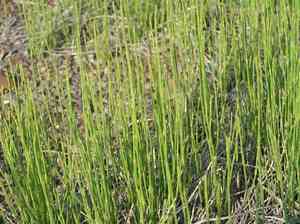
Distinguished by its segmented development and reed-like structure, branched scouringrush flourishes with infrequent trimming. To preserve its form and eliminate deceased sections, perform pruning in spring or summer prior to its period of vigorous growth. Employ sharp, sanitized shears to make cuts above the nodes, fostering denser development. Pruning additionally aids in managing its expansion in garden environments, as branched scouringrush possesses invasive tendencies. Consistent removal of aged or compromised stems enhances the plant's well-being and visual attractiveness.
What Are the Benefits of Pruning Branched Scouringrush?
What Are the Benefits of Pruning Branched Scouringrush?
Trimming branched scouringrush promotes robust development and helps maintain its desired form, ensuring this hardy species flourishes while fitting well in its designated area.
What Is the Best Time for Pruning Branched Scouringrush?
What Is the Best Time for Pruning Branched Scouringrush?
Pruning branched scouringrush in Spring or early Summer is optimal as this period coincides with the start of its active growth, allowing for rapid recovery and directing energy towards new, healthy development. In Spring, branched scouringrush begins its growth cycle, meaning trimming at this time will stimulate new growth that can thrive in warmer temperatures. Early Summer remains a good time for cutting branched scouringrush because its growth cycle isn't yet complete, so pruning won't stress the plant but can instead encourage denser foliage. Avoid pruning after mid-summer as it might interfere with the plant's preparation for dormancy and could reduce its hardiness in colder months. Furthermore, during Spring and early Summer, the plant is less vulnerable to diseases, which could be more problematic if pruning occurs during wetter and cooler seasons.
What Tools Do I Need to Prune Branched Scouringrush?
Bypass Pruners
Ideal for making clean cuts on branched scouringrush's slender stems without crushing plant tissues, which encourages healthier regrowth.
Garden Scissors
Perfect for trimming or shaping branched scouringrush's finer foliage and for cutting through smaller, softer stems with precision.
Long-Handled Loppers
Offers leverage for thicker stems of branched scouringrush when needed, providing reach and increased cutting power without harming nearby plants.
Gardening Gloves
Crucial for protecting the gardener's hands from branched scouringrush's rough textures while handling the plant during the pruning process.
How to Prune Branched Scouringrush
Identify disease
Examine branched scouringrush to locate any diseased leaves and stems by looking for unusual spots, discoloration, or a withered appearance.
Sanitation
Ensure your pruning tools are clean and disinfected to prevent disease spread. Wipe them with alcohol or a bleach solution before and after use.
Prune diseased leaves
Carefully remove diseased leaves using sharp, precise cuts to eliminate them without harming the healthy parts of branched scouringrush.
Prune withered leaves
Remove withered leaves from branched scouringrush by cutting at the base where the leaf meets the stem to avoid leaving stubs that can harbor pests or disease.
Prune diseased stems
Cut diseased stems from branched scouringrush at a point just below the infected area, ensuring to cut back to healthy tissue to promote healthy regrowth.
Common Pruning Mistakes with Branched Scouringrush
Over-pruning
Removing too much growth from branched scouringrush can weaken the plant and make it more susceptible to pest infestations or diseases.
Improper cut location
Cutting branched scouringrush too close to the budding nodes can damage potential growth points, while leaving too much of a stub can result in unnecessary wounds and decay.
Pruning healthy stems
Unnecessarily cutting healthy stems of branched scouringrush limits its natural spread and can reduce its vigor and visual appeal.
Using dull tools
Using dull pruning tools on branched scouringrush can lead to ragged cuts that may not heal properly, increasing the risk of disease.
Ignoring plant structure
Failing to observe and follow the natural structure of branched scouringrush while pruning can lead to a loss of its form and compromise its stability.
Common Pruning Tips for Branched Scouringrush
Selective thinning
Remove dead or weak stems from branched scouringrush to encourage air circulation and light penetration, which is crucial for healthy growth.
Sharp tool
Always use sharp, clean tools when cutting branched scouringrush to ensure precise and clean cuts that heal quickly, reducing the risk of disease.
Cutting angle
Make angled cuts on branched scouringrush that slope away from the buds. This allows for water to run off and reduces the risk of rot or fungal infections.
Judicious pruning
Prune branched scouringrush conservatively to maintain plant health, only removing what is necessary to shape the plant or to get rid of dead or diseased tissue.
Post-pruning care
After pruning branched scouringrush, provide adequate water and, if necessary, a balanced fertilizer to support recovery and new growth.



