How to Transplant Short-fruited willowherb?
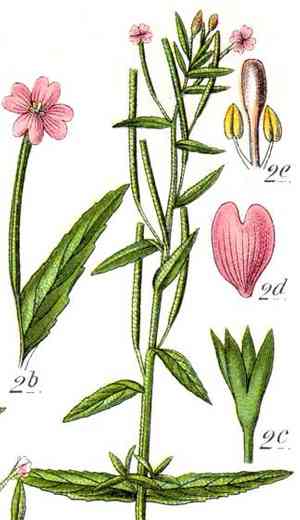
The ideal window for relocating short-fruited willowherb spans from early spring to the brink of summer, offering moderate temperatures conducive to robust root development. Select a location that receives sufficient illumination and possesses soil with good drainage. Should it be necessary, enriching the soil with organic material can enhance root proliferation and aid in a smooth transplantation process.
What Preparations are Needed Before Transplanting Short-fruited Willowherb?
What is the Ideal Time for Transplanting Short-fruited Willowherb?
The perfect time for moving short-fruited willowherb spans from the initial warmth of spring to the gentle days of late spring. Transplanting short-fruited willowherb during this lively period benefits from damp, unfrozen soil, providing a supportive setting that promotes strong root development before the summer heat. This timely shift not only reduces transplant shock but also fully utilizes the season's natural growth cycle, setting short-fruited willowherb on a promising path to flourish.
How Much Space Should You Leave Between Short-fruited Willowherb Plants?
Let's properly space out our short-fruited willowherb plants to allow them to thrive! Aim for a comfortable distance of about 15-18 inches (38-45 cm) between them. This provides ample room for them to grow large and robust without competing for nutrients or sunlight.
What is the Best Soil Mix for Short-fruited Willowherb Transplanting?
Before placing short-fruited willowherb in its new home, prepare an optimal mix for it! A well-draining loamy soil will be ideal. Incorporate some compost or a balanced slow-release fertilizer to give short-fruited willowherb a nutritional boost right from the start.
Where Should You Relocate Your Short-fruited Willowherb?
Now, let's find a sunny spot for short-fruited willowherb to absorb the light! A location with full to partial sunlight will be perfect. This means an area that receives at least 6 hours of gentle sunshine daily, precisely what short-fruited willowherb needs to thrive.
What Equipments Should You Prepare Before Transplantation Short-fruited Willowherb?
Gardening Gloves
To safeguard your hands while handling soil and plants.
Shovel or Spade
To excavate short-fruited willowherb from its current spot and assist in preparing the new planting hole.
Watering Can or Hose
To hydrate short-fruited willowherb before and after relocation to minimize transplant shock.
Pruning Shears
To trim any damaged roots or foliage prior to transplanting.
Wheelbarrow or Garden Cart
To move short-fruited willowherb and soil if necessary.
Trowel
For more precise digging and planting tasks.
Plant Support Stakes
To offer stability to short-fruited willowherb if needed after transplanting.
How Do You Remove Short-fruited Willowherb from the Soil?
How Do You Remove Short-fruited Willowherb from the Soil?
From Ground: First, moisten the soil around the short-fruited willowherb plant by watering it. Then, using a shovel or spade, dig a wide trench around the plant, ensuring the root ball remains intact. Carefully work the spade beneath the root ball to lift the plant from its original position.From Pot: Begin by watering short-fruited willowherb to facilitate removal. Turn the pot on its side and gently tap it to loosen the plant. Support the plant by its base and carefully slide it out, being mindful of the roots.From Seedling Tray: Water the tray to make the soil pliable. Use a trowel or your fingers to gently lift the short-fruited willowherb seedling, making sure to include the roots and attached soil.
Step-by-Step Guide for Transplanting Short-fruited Willowherb
Preparation
Ensure all your tools and equipment are ready and accessible. Water your short-fruited willowherb before beginning the transplant process. This hydrates the plant and helps keep the root ball intact during the move. Remember to be gentle; short-fruited willowherb is resilient but can be stressed by rough handling.
Digging the New Hole
Excavate a hole in the ground that is twice the width of the short-fruited willowherb's root ball and at the same depth it was previously growing. This ensures the plant will not be too deep or too shallow in its new location.
Plant Removal
Refer to the 'removal process' section to determine the best method for extracting your short-fruited willowherb from its current spot without harming its root structure.
Transplanting
Once the new hole is prepared, center short-fruited willowherb within it. Adjust the plant so it stands upright, then backfill the surrounding space with soil, gently firming it down to eliminate air pockets, which can dry out roots.
Supporting the Plant
If short-fruited willowherb appears unstable or has significant height, use plant support stakes around it for added stability. Secure the plant to the stakes with garden ties or soft twine, ensuring they are not tied too tightly to restrict growth.
Final Watering
Give short-fruited willowherb a thorough watering at its base to settle the soil and provide hydration. Be generous, but avoid saturating the area excessively.
How Do You Care For Short-fruited Willowherb After Transplanting?
Monitoring
Observe your short-fruited willowherb closely for the initial few weeks, checking for indications of stress such as wilting or discolored leaves. This vigilance can help you identify any issues early on.
Stabilizing
If you notice your short-fruited willowherb swaying or the plant support stakes shifting, adjust the stakes or ties to provide better support.
Pruning
Periodically trim any dead or damaged leaves or stems. This helps short-fruited willowherb to channel its energy into developing new, healthy growth.
Care Consistency
Establish a regular care regimen for your short-fruited willowherb, adapting as needed for changes in weather and season. Consistent care will help your short-fruited willowherb to flourish in its new environment.
Troubleshooting Common Issues with Short-fruited Willowherb Transplantation.
When's the best time to transplant short-fruited willowherb?
Relocate short-fruited willowherb during cooler periods, ideally from early to late spring, allowing roots to establish before summer.
How far apart should I space short-fruited willowherb plants?
Position short-fruited willowherb plants approximately 15-18 inches (38-45 cm) apart to provide each plant ample room for growth.
Why is my short-fruited willowherb wilting after transplanting?
Wilting may occur if roots were excessively disturbed. Keep soil moist and offer shade for a few days.
How deep should the planting hole be for short-fruited willowherb?
Excavate a hole twice the width and the same depth as the root ball to ensure proper settling.
Should I fertilize short-fruited willowherb when transplanting?
Refrain from immediate fertilization to prevent root burn. Wait until short-fruited willowherb is established, then use a balanced fertilizer.
How much water does short-fruited willowherb need after transplanting?
Water generously post-transplant to aid root establishment. Afterward, maintain consistent moisture without overwatering.
Can I divide short-fruited willowherb during transplanting?
Yes, division is best performed during transplanting. Separate gently and plant each division to expand your garden.
How do I protect short-fruited willowherb from transplant shock?
Minimize root exposure to air, transplant swiftly, and water thoroughly. Provide partial shade for a few days post-transplant.
What soil type is ideal for short-fruited willowherb after transplanting?
Utilize well-draining soil rich in organic matter. Adjust soil pH to be slightly acidic for optimal growth.
How can I tell if short-fruited willowherb has established after transplanting?
New growth signifies successful establishment. This process may take several weeks, so patience is crucial!



