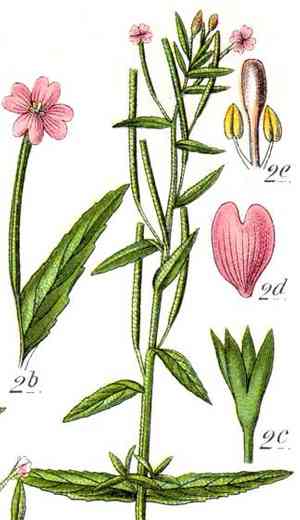
Short-fruited willowherb (Epilobium obscurum)
Also known as: Dark-green willow-herb
Short-fruited willowherb is a summer-flowering annual herb characterized by its hairy features. It thrives in diverse habitats such as disturbed areas, open woodlands, and grasslands, as well as along roadsides. While it flourishes in sunny spots with well-drained soils, it can also handle both wet environments like waterways and marshes, and dry grounds. This plant tends to be invasive if not properly managed.
In This Article
Attributes of Short-fruited willowherb
Lifespan
Perennial
Plant Type
Herb
Plant Height
25 cm to 80 cm
Spread
N/A
Leaf Color
Green
Flower Size
7 mm to 9 mm
Flower Color
Pink Purple
Images of Short-fruited willowherb
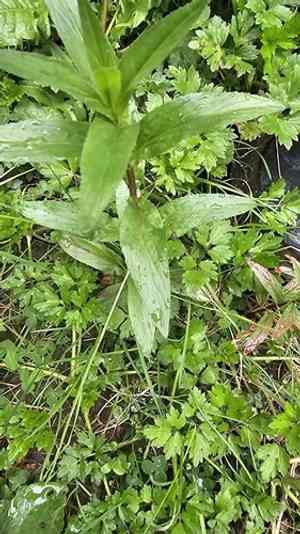
Quickly Identify Short-fruited willowherb
1
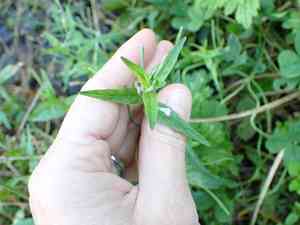
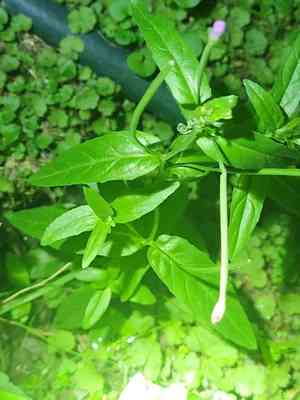
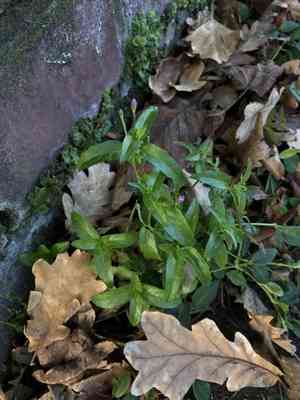
Epilobium obscurum can be identified by its lance-shaped leaves, which are toothed and arranged in opposite pairs. The plant typically grows up to 60 cm in height, and it has small pink to light purple flowers with four petals clustered at the top of the stems. It also has tiny, hairy seeds that are dispersed by the wind.
Scientific Classification of Short-fruited willowherb
Phylum
Vascular plants
Class
Dicotyledons
Order
Myrtales
Family
Evening primrose
Genus
Willowherbs
Species
Short-fruited willowherb
Planting and Growing of Short-fruited willowherb
Care Difficulty
Easy
Watering Schedule
Every 4 days
Sunlight Requirements
Partial sun
Sunshine Duration
4-8 hours
Ideal Temperature
60-75℉
Soil Type
Potting Mix, Peat Mix
Soil pH
5.5-7.5
Fertilizer Type
Balanced
Pruning Season
Spring, Summer
Pruning Area
Branches, Leaves
Pruning Frequency
2 times a year
Repotting Season
Spring
Pot Type
Plastic, Ceramic
 How to Water Short-fruited willowherb?
For Epilobium obscurum, the watering amount should be around 200 milliliters. Ensure that you water until the soil is evenly moist but not waterlogged. The plant prefers consistent moisture at the roots without sitting in water. The key is to maintain an optimal balance, ensuring that the soil is neither too dry nor too soggy, resembling a wrung-out sponge.
What are the symptoms of an underwatered Short-fruited willowherb?
›
What should I do if my Short-fruited willowherb is not getting enough water?
›
What are the symptoms of an overwatered Short-fruited willowherb?
›
How to save an overwatered Short-fruited willowherb?
›
 What Are the Sunlight Requirements for Short-fruited willowherb?
The ideal light range for Epilobium obscurum is partial sun. This condition supports balanced growth and flowering without risking excessive heat damage.
How much light does it need daily?
›
What are optimal lighting conditions?
›
How can I achieve ideal light conditions?
›
 What Is the Ideal Temperature Range for Short-fruited willowherb?
For optimal growth, Epilobium obscurum thrives in a temperature range of 60 to 75°F. These conditions mimic the plant's natural environment and provide the most supportive atmosphere for robust plant development and healthy blooms.
 What Soil is Best for Short-fruited willowherb?
Epilobium obscurum thrives in well-drained soils which prevents waterlogging and root rot. This is crucial as it ensures the roots receive adequate aeration, promoting healthy growth and vibrant foliage. Moderately fertile soils provide essential nutrients without the risk of nutrient burn, helping Epilobium obscurum maintain its growth and bloom efficiently. Soils with good moisture retention support sustained water access between watering sessions, which is vital for Epilobium obscurum during dry spells.
 How to Fertilize Short-fruited willowherb?
For Epilobium obscurum, use a balanced fertilizer at half the recommended strength to avoid overwhelming the plant. Typically, 1 tablespoon (about 15ml) of liquid fertilizer mixed with a gallon of water is sufficient per application.
 How to Prune Short-fruited willowherb?
Start by removing any dead, damaged, or diseased stems using clean, sharp pruning shears. Cut back any excessively long stems to maintain a desirable shape. Focus on keeping the plant open and airy by thinning out crowded areas, ensuring that sufficient sunlight can penetrate the foliage. To encourage a bushier appearance, lightly trim the tips of new shoots. This will stimulate the growth of lateral branches. If you desire a specific shape, use your shears to guide the plant into form. Always make cuts at 45-degree angles above a leaf node to encourage healthy regrowth.
More About Pruning Techniques→
 How to Propagate Short-fruited willowherb plant?
1
Collect seeds from mature plants when the seed pods have dried. Clean and dry them thoroughly before sowing. This ensures only viable seeds are used.
2
Select healthy stems and cut sections that are 5-10 cm long. Remove lower leaves and dip the cut end in rooting hormone to stimulate root growth.
3
When dividing, carefully lift the plant with a spade and separate sections with both roots and shoots. Replant these immediately to prevent drying out.
 How to Repot Short-fruited willowherb plant?
1
Epilobium obscurum needs repotting when the roots start growing through the drainage holes or when soil compaction is evident. During these moments, the plant requires fresh soil to promote healthy growth and nutrient uptake.
2
Select a pot slightly larger than the current one with adequate drainage holes to prevent waterlogging. The ideal pot allows roots to grow freely while preventing them from sitting in water, ultimately maintaining healthy plant growth.
3
Choose a well-draining loamy soil mix to ensure sufficient air circulation and drainage for the roots. This type of soil helps retain the right amount of moisture while providing essential nutrients for your plant.



