How to Prune Short-fruited willowherb?
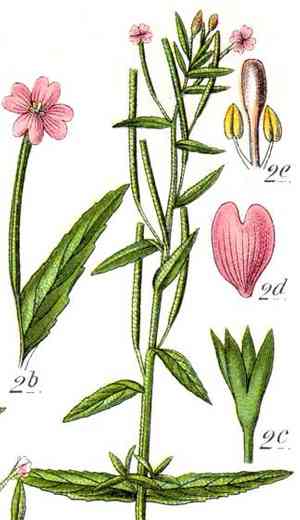
This enduring herb, recognized for its compact seed capsules and affinity for moist environments, thrives with trimming to foster dense foliage and eliminate withered stems. Trim short-fruited willowherb in the spring or early summer, following its blooming period, to preserve its form and vitality. Removing faded blossoms can also deter unintended self-propagation. Refrain from severe cutting, as it may diminish the plant's hardiness and capacity for blooming. Consistent, gentle trimming is crucial for the well-being and visual charm of this variety.
What Are the Benefits of Pruning Short-fruited Willowherb?
What Are the Benefits of Pruning Short-fruited Willowherb?
Trimming short-fruited willowherb promotes more robust development by eliminating old, unproductive stems, thereby stimulating new growth. It also aids in maintaining the plant's desired form and size, enhancing its overall look.
What Is the Best Time for Pruning Short-fruited Willowherb?
What Is the Best Time for Pruning Short-fruited Willowherb?
Trimming short-fruited willowherb in spring, just as it emerges from dormancy, maximizes its growth potential and allows for prompt healing of cuts before summer stresses. Early summer pruning aligns with the end of short-fruited willowherb's blooming cycle, offering a chance to shape the plant and remove spent flowers, encouraging a second growth flush and possibly more blooms. This timing also lets gardeners assess the plant's health and vigor post-spring growth, simplifying decisions on underperforming or diseased parts to remove. These chosen periods avoid disrupting late summer and fall fruit development, ensuring short-fruited willowherb's energy is directed appropriately towards root development and winter hardiness.
What Tools Do I Need to Prune Short-fruited Willowherb?
Hand Pruners
Hand pruners, or secateurs, are perfect for cutting small stems and branches. Short-fruited willowherb typically has slender, herbaceous stems that don't require heavy-duty tools. Hand pruners allow for precise cuts without causing excessive plant damage.
Pruning Shears
Pruning shears, similar to hand pruners but often with longer handles, offer good leverage for slightly thicker stems. For short-fruited willowherb, these shears will facilitate quick and clean cuts, promoting healthier regrowth.
Gardening Gloves
Gardening gloves protect hands from scratches and ensure a better grip on pruning tools. When working with short-fruited willowherb, gloves are important to avoid irritation or injury from plant sap.
How to Prune Short-fruited Willowherb
Disenfect tools
Before beginning the pruning process, thoroughly sanitize all pruning tools using a solution of 1 part bleach to 9 parts water to prevent the spread of diseases to short-fruited willowherb.
Remove diseased leaves
Identify and carefully remove any diseased leaves from short-fruited willowherb using disinfected pruning shears, ensuring you cut close to the stem without causing harm. Dispose of these leaves immediately to prevent infection spread.
Trim withered leaves
Trim off any withered or dead leaves from short-fruited willowherb to encourage healthy growth and improve air circulation. Make cuts at the base of each leaf stem, taking care not to snip healthy tissue.
Cut diseased stems
Locate any stems on short-fruited willowherb that show signs of disease. Prune them back to healthy tissue, making the cut at a 45-degree angle to facilitate water runoff and healing. Sterilize the shears after each cut to avoid contamination.
Clean up
After pruning short-fruited willowherb, clear away all removed plant material from the surrounding area to minimize disease risk. Dispose of the waste properly, avoiding composting if the material is diseased.
Common Pruning Mistakes with Short-fruited Willowherb
Overpruning
Removing too much foliage from short-fruited willowherb in one session can stress the plant, potentially resulting in weaker growth or reduced flowering.
Inadequate tool cleanliness
Not sanitizing pruning tools before use can introduce pathogens to short-fruited willowherb, leading to disease or pest infestations.
Pruning at wrong growth stage
Pruning short-fruited willowherb when it is not in the correct stage of growth for pruning may hinder its development or blooming cycle.
Ignoring plant shape
Failing to consider the natural growth habit of short-fruited willowherb while pruning can result in an unnatural appearance and may affect the plant's overall health.
Neglecting dead or diseased stems
Forgetting to remove dead or infected material from short-fruited willowherb can lead to the spread of diseases and pests, compromising the plant’s health.
Common Pruning Tips for Short-fruited Willowherb
Use sharp instruments
Always prune short-fruited willowherb with sharp, clean tools to ensure clean cuts that heal quickly, minimizing stress and disease risk.
Monitor plant health
Regularly inspect short-fruited willowherb for signs of pest infestation or disease before pruning, and address any health issues promptly to maintain vitality.
Prune for airflow
Thin out the center of short-fruited willowherb to encourage good air circulation, which can help prevent fungal diseases and promote strong, healthy growth.
Cutting technique
Make pruning cuts at a 45-degree angle just above a leaf node or bud to promote efficient healing and prevent water accumulation on the cut surface.
Balance pruning
Balance the amount of pruning throughout short-fruited willowherb to maintain an even shape and avoid shocking the plant by removing too much vegetation from one area.



