How to Transplant Nevada ephedra?
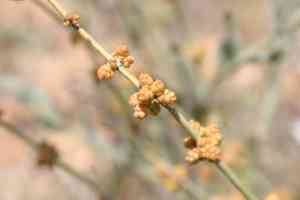
For nevada ephedra, the ideal transplanting window extends from early spring to the beginning of summer, facilitating robust root development. Select a location with good drainage and ample sunlight, then carefully move the plant, protecting its fragile root system to ensure vigorous health.
What Preparations are Needed Before Transplanting Nevada Ephedra?
What is the Ideal Time for Transplanting Nevada Ephedra?
The best period for moving nevada ephedra is when the sun gently warms the days from after the thaw until early summer. Relocating nevada ephedra at this time allows for stronger root development before the intense heat of midsummer. This timing enables nevada ephedra to adjust to its new surroundings while the ground is supportive, boosting its chances of survival and growth. By selecting this opportune moment, gardeners provide nevada ephedra with a strong start in its new spot, leading to robust health and vigor.
How Much Space Should You Leave Between Nevada Ephedra Plants?
When getting ready to transplant nevada ephedra, remember to give them ample room to thrive. Position them approximately 4.9 - 6.6 feet (1.5 - 2 meters) apart. This spacing will guarantee that each nevada ephedra receives sufficient nutrients and air circulation, contributing to a happier, healthier plant!
What is the Best Soil Mix for Nevada Ephedra Transplanting?
Nevada ephedra flourishes best in soil that drains well. Consider incorporating some sand or gravel to improve drainage if necessary. Before planting, mix in a balanced, slow-release fertilizer to give nevada ephedra a nourishing beginning. Careful preparation will result in beautiful growth!
Where Should You Relocate Your Nevada Ephedra?
Nevada ephedra loves sunshine, so choose a sunny location that gets full sunlight for most of the day. This means selecting an area where nevada ephedra can soak up at least 6 hours of direct sunlight, which will energize it from morning till evening!
What Equipments Should You Prepare Before Transplantation Nevada Ephedra?
Gardening Gloves
To safeguard your hands while handling soil and plants.
Shovel or Spade
For digging around and lifting the plant.
Pruners or Scissors
For trimming dead or excess plant parts.
Watering Can or Hose
For hydrating the plant and soil before and after relocation.
Wheelbarrow or Plant Dolly
To move the plant from one spot to another without causing damage.
Soil Amendments
To add to the planting hole if needed.
Measuring Tape
To help ensure correct spacing between plants.
Mulch
To help retain soil moisture after transplanting.
How Do You Remove Nevada Ephedra from the Soil?
How Do You Remove Nevada Ephedra from the Soil?
From Ground: Water the nevada ephedra thoroughly to dampen the soil. Dig a wide circle around the plant with a shovel to maintain the root ball's integrity. Gently slide the spade under the root ball to lift the plant from the ground.From Pot: Begin by watering the nevada ephedra to moisten the soil. Then, turn the pot on its side, tap the bottom, and carefully pull the plant out by the base of its stem or leaves.From Seedling Tray: Water the seedlings well. Use a spoon or a small gardening tool to carefully remove each nevada ephedra seedling from its cell, taking care not to harm the roots.
Step-by-Step Guide for Transplanting Nevada Ephedra
Prepare the New Site
Clear the area of weeds and debris. Loosen the soil to a depth of 10 to 12 inches and mix in any soil amendments if using.
Plant Removal
Follow the instructions provided in the removal process to carefully extract the nevada ephedra from its current location, preserving as many roots as possible.
Root Inspection
Examine the root ball of nevada ephedra, trimming away any dead or decaying roots with pruners.
Prepare the Plant
Before transplanting, allow nevada ephedra's roots to soak in water for a few minutes to hydrate them.
Hole Preparation
Dig a hole in the prepared site twice as wide as the root ball and about the same depth to encourage root growth.
Place the Plant
Position nevada ephedra in the center of the hole. The top of the root ball should be level with the surrounding ground.
Fill the Hole
Backfill the hole with the excavated soil. Gently tamp down around nevada ephedra to eliminate air pockets.
Water Thoroughly
Water the plant generously to settle the soil and provide moisture for the roots.
Add Mulch
Apply a layer of mulch around the base of nevada ephedra to conserve moisture and reduce weed competition.
How Do You Care For Nevada Ephedra After Transplanting?
Initial Watering
Water the nevada ephedra deeply after transplanting and maintain consistent moisture without overwatering.
Checking Stability
Monitor the plant's stability in the following days; stake if necessary to prevent it from tilting.
Monitoring Growth
Keep an eye on nevada ephedra for signs of stress or shock, such as wilting or yellowing leaves, and take action by providing shade or water as needed.
Pest Control
Look out for pests that might take advantage of nevada ephedra's vulnerable state and address any infestations promptly.
Pruning
Snip off any damaged or broken stems to help nevada ephedra focus its energy on establishing new roots.
Troubleshooting Common Issues with Nevada Ephedra Transplantation.
When's the best time to transplant nevada ephedra?
Optimal transplanting time for nevada ephedra is from mid-spring to early summer for successful rooting.
How much space is needed between nevada ephedra plants?
Ensure ample growth room, positioning nevada ephedra at least 4.9 - 6.6 feet apart (1.5 - 2 meters).
Why are my transplanted nevada ephedra's leaves turning brown?
Brown leaves can suggest soil dryness. Ensure consistent watering without over-saturating the soil.
What's the ideal soil for transplanting nevada ephedra?
Use well-draining soil for nevada ephedra, as it prefers a drier environment to thrive after transplanting.
How deep should I plant nevada ephedra's roots?
The root ball should be planted so the top is level with the soil surface.
Can I transplant nevada ephedra on a hot day?
Avoid transplanting during the heat of the day; overcast or cooler evenings are preferable.
How do I prepare a transplant hole for nevada ephedra?
Dig a hole twice the width and the same depth as the root ball for optimal growth.
What should I do if my nevada ephedra isn't standing upright after transplanting?
Support the plant with stakes until its roots establish and can hold it upright.
How often should I water nevada ephedra after transplanting?
Water nevada ephedra generously after transplanting, then only when the top inch of soil is dry.
Should I fertilize nevada ephedra right after transplanting?
Wait a few weeks before fertilizing to avoid burning the newly developing roots.



