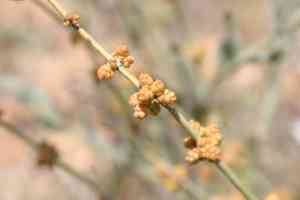
Nevada ephedra (Ephedra nevadensis)
Also known as: Desert tea, American ephedra
Creosote Bush (*Larrea tridentata*) is a perennial evergreen shrub indigenous to the southwestern United States. In spring, it produces small yellow flowers. The leaves tend to fall off rapidly, resulting in a broom-like appearance. Additionally, the Creosote Bush occasionally produces seeds that disperse easily and provide nourishment for local wildlife.
In This Article
Attributes of Nevada ephedra
Lifespan
Perennial
Plant Type
Shrub
Plant Height
1.2 m
Spread
1.2 m
Leaf Color
Green Blue
Flower Size
5 mm
Flower Color
Yellow Green
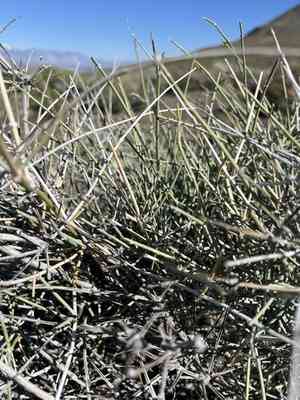
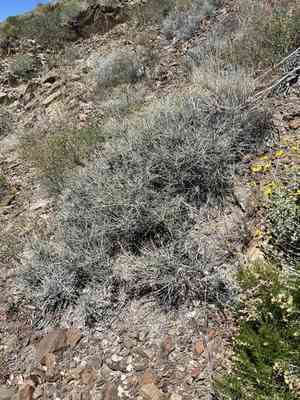
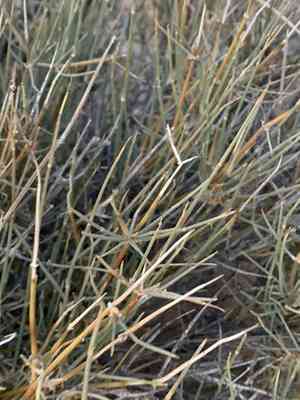
Images of Nevada ephedra
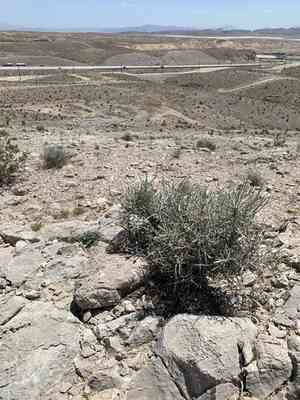
Quickly Identify Nevada ephedra
1
Ephedra nevadensis can be identified by its jointed, green stems, usually growing in a bushy form. It lacks true leaves but has small, scale-like leaves at the nodes. The plant produces small, cone-like structures which bear seeds.
Scientific Classification of Nevada ephedra
Phylum
Vascular plants
Class
Gnetophytes
Order
Ephedrales
Family
Mormon-tea
Genus
Joint-pines
Species
Nevada ephedra
Planting and Growing of Nevada ephedra
Care Difficulty
Easy
Watering Schedule
Every day
Sunlight Requirements
Full sun
Sunshine Duration
4-8 hours
Ideal Temperature
60-75℉
Soil Type
Potting Mix, Peat Mix
Soil pH
6.5-8
Fertilizer Type
Balanced
Pruning Season
Spring, Summer
Pruning Area
Branches, Leaves
Pruning Frequency
2 times a year
Repotting Season
Spring
Pot Type
Terracotta, Plastic
 How to Water Nevada ephedra?
Ephedra nevadensis, native to arid regions, prefers minimal watering. Aim for about 500 ml each session, ensuring the soil is moist but not waterlogged. This quantity should suffice to penetrate down to its deep roots, mimicking its natural rainfall conditions.
What are the symptoms of an underwatered Nevada ephedra?
›
What should I do if my Nevada ephedra is not getting enough water?
›
What are the symptoms of an overwatered Nevada ephedra?
›
How to save an overwatered Nevada ephedra?
›
 What Are the Sunlight Requirements for Nevada ephedra?
Full sun exposure is ideal for Ephedra nevadensis, leading to optimal growth and improved resistance to environmental challenges by facilitating sufficient photosynthesis.
What is the best location for Ephedra nevadensis?
›
How can I ensure that Ephedra nevadensis gets adequate sunlight indoors?
›
What benefits does Ephedra nevadensis get from full sun exposure?
›
 What Is the Ideal Temperature Range for Nevada ephedra?
Ephedra nevadensis thrives at temperatures between 60°F and 75°F. This temperature range supports optimal photosynthesis and metabolic processes. Providing these conditions helps the plant maintain its drought resistance and growth vitality.
 What Soil is Best for Nevada ephedra?
Ephedra nevadensis thrives in well-drained soils which prevent water from stagnating around the roots. This condition mimics its natural desert environment, ensuring the plant's roots remain aerated and healthy. Adapted to grow in nutrient-poor soils, Ephedra nevadensis doesn't require rich, fertilized earth, which can actually hinder its natural growth. This helps maintain its robustness and allows it to stay resilient in harsh conditions. Preferring dry soil conditions, this plant requires very infrequent watering once established, making it a perfect choice for xeriscaping and water-wise gardening.
 How to Fertilize Nevada ephedra?
For Ephedra nevadensis, the fertilization amount should be moderate to balance its nutrient needs. During the growing season, use a diluted liquid fertilizer with a concentration of 1/4 the usual strength. Over-fertilizing can damage the plant, so ensure the soil is well-draining to prevent nutrient build-up.
 How to Prune Nevada ephedra?
Begin by inspecting Ephedra nevadensis for any dead or diseased branches. Use sharp, clean pruning shears to ensure smooth cuts. Aim to remove around 20% of the older branches, cutting them close to the base. This encourages new growth by redirecting energy to younger shoots and maintains a compact and attractive plant form.
More About Pruning Techniques→
 How to Propagate Nevada ephedra plant?
1
Choose healthy, mature plants that exhibit vigorous growth. Avoid plants that show signs of disease or pest infestations, as these conditions could hinder the success of propagation attempts.
2
Prepare a well-draining soil mix by combining equal parts of sand, perlite, and peat moss. This mix ensures that the cuttings have adequate drainage and aeration, reducing the risk of root rot.
3
Plant seeds at a shallow depth in seed trays. For cuttings, place them upright in the soil mix so that at least a node is buried. This promotes root development from the node and sets the stage for successful growth.
 How to Repot Nevada ephedra plant?
1
Ephedra nevadensis typically signals its need for repotting when its growth slows or if roots become visible at drainage holes. Spring or autumn are ideal seasons as the plant is semi-dormant, minimizing stress and aiding recovery.
2
Choose a container that's slightly larger than the current one, with ample drainage holes. A clay pot is beneficial for Ephedra nevadensis, as it helps with moisture control, prevent root rot, and stabilizes the plant.
3
Opt for a sandy and well-draining soil mixture, mirroring its natural desert habitat. This prevents overwatering and supports root health, ensuring your plant thrives with minimal intervention.
Toxicity
Ingestion
WARNING
The judgment on toxicity and danger is for reference only. We DO NOT GUARANTEE any accuracy of such judgment. Therefore, you SHALL NOT rely on such judgment. It is IMPORTANT TO SEEK PROFESSIONAL ADVICE in advance when necessary.



