How to Transplant Gerard jointfir?
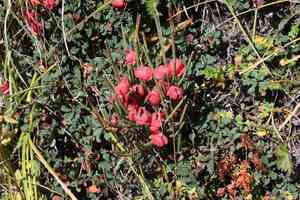
Mid-spring presents the optimal window for relocating gerard jointfir. This season provides suitable temperatures for root development, minimizing strain from harsh weather. Select a location featuring well-draining earth and exposure to full sun or partial shade for best development. During the transfer, ensure the root mass is sufficiently hydrated to facilitate a seamless adjustment.
What Preparations are Needed Before Transplanting Gerard Jointfir?
What is the Ideal Time for Transplanting Gerard Jointfir?
The best period for moving gerard jointfir extends from the gentle warmth of late April to the vibrant start of early June. During this time, consistent temperatures and moderate rainfall create perfect conditions for root development, boosting the health and growth potential of gerard jointfir. Transplanting gerard jointfir in this season aligns with its natural growth cycle, ensuring a smooth transition and stronger establishment. This timely gardening effort promises a thriving future for your gerard jointfir.
How Much Space Should You Leave Between Gerard Jointfir Plants?
Hello, gardening enthusiast! When preparing a new home for your gerard jointfir, ensure proper spacing—approximately 4.9-6.6 feet (1.5-2 meters) apart. This provides ample room for them to flourish and reach their full potential!
What is the Best Soil Mix for Gerard Jointfir Transplanting?
For your gerard jointfir, aim to create a comfortable bed with soil that drains well. Incorporate some organic compost or a balanced, slow-release fertilizer to provide a nutritional boost as they settle into their new spot.
Where Should You Relocate Your Gerard Jointfir?
Your gerard jointfir loves to absorb sunlight! Select a location that receives full sun to partial shade. This will provide your plant with the essential light it needs to thrive in your garden haven.
What Equipments Should You Prepare Before Transplantation Gerard Jointfir?
Gardening Gloves
To safeguard your hands while handling soil and plants.
Shovel or Spade
For excavating the plant and preparing a new planting hole.
Pruning Shears
To remove any dead or excess parts of the gerard jointfir prior to relocation.
Watering Can or Hose
To hydrate the gerard jointfir before extraction and after replanting.
Wheelbarrow or Garden Cart
For moving the gerard jointfir from its original spot to the new planting site.
Root Pruning Saw or Knife
If the root ball requires trimming or division.
How Do You Remove Gerard Jointfir from the Soil?
How Do You Remove Gerard Jointfir from the Soil?
From Ground: Water gerard jointfir thoroughly to minimize stress and facilitate digging. Using a shovel or spade, dig around the plant, leaving a generous perimeter to avoid root damage. Gently work the shovel beneath the root ball and lift the gerard jointfir from the ground.From Pot: Begin by watering the gerard jointfir, which makes it easier to extract from the container. Tilt the pot sideways and carefully pull the gerard jointfir out, supporting the root ball. If the plant is stuck, tap the pot's sides or press on the pot to loosen the soil.From Seedling Tray: Water the tray to keep the soil and roots intact. Use a spoon or dibble to gently pry each gerard jointfir seedling from its compartment. Handle the small seedlings by their leaves rather than their delicate stems to prevent harm.
Step-by-Step Guide for Transplanting Gerard Jointfir
Prepare the New Site
Dig a hole in the ground that is twice the width of the gerard jointfir's root ball and of the same depth. This will allow ample space for the roots to spread.
Inspect Root Ball
Before transplanting, remove any weeds that may have intertwined with the gerard jointfir's roots and carefully trim off any dead or excessive roots. Ensure good root health for optimal growth.
Position the Plant
Place the gerard jointfir in the center of the new hole, ensuring it sits at the same level as it did in its original location. Avoid planting too deeply or too shallowly.
Refill the Hole
Gently backfill the hole with the excavated soil while keeping the gerard jointfir upright. Firm the soil around the base to stabilize the plant.
Water Generously
After planting, water the gerard jointfir thoroughly to settle the soil and eliminate air pockets. This will also help the roots make good contact with the new soil.
Mulch
Apply a layer of organic mulch around the base of gerard jointfir to help retain moisture, regulate soil temperature, and suppress weeds.
How Do You Care For Gerard Jointfir After Transplanting?
Regular Watering
For the initial few weeks, provide consistent watering to help gerard jointfir establish itself in its new spot. Gradually decrease frequency as the plant becomes more settled.
Mulch
Maintain the layer of mulch around the plant to preserve moisture and create a stable environment for the roots.
Pruning
Prune any damaged or diseased stems after transplanting to encourage new growth and maintain the plant's health.
Observation
Regularly check the gerard jointfir for signs of stress, such as wilting, yellowing, or leaf drop, and take appropriate action when necessary.
Troubleshooting Common Issues with Gerard Jointfir Transplantation.
When is the best time to transplant gerard jointfir?
The ideal time is during mid to late spring, when growth resumes and rooting is vigorous.
How far apart should I space gerard jointfir when transplanting?
Ensure a distance of 5-6 feet (1.5-2 meters) between plants to provide sufficient growing space.
What size should the hole be for transplanting gerard jointfir?
Dig a hole twice as wide and the same depth as the root ball to promote root expansion.
How much should I water gerard jointfir after transplanting?
Water thoroughly upon transplanting, then keep the soil moist until the plant is well-established.
Should I fertilize gerard jointfir after transplanting?
Wait a few weeks post-transplant before applying a balanced fertilizer to prevent root burn.
What should I do if gerard jointfir wilts after transplanting?
Provide shade, ensure adequate watering, and avoid fertilizer until signs of recovery appear.
How do I prepare gerard jointfir's roots for transplanting?
Gently untangle the roots if pot-bound, and trim any damaged roots before planting.
Can gerard jointfir be transplanted in full sun?
Gerard jointfir tolerates full sun, but acclimate it gradually post-transplant to prevent shock.
What type of soil is best for transplanting gerard jointfir?
Use well-draining soil, potentially amending with sand or grit, to suit gerard jointfir's requirements.
How do I protect gerard jointfir post-transplant during frost?
Mulch the base with organic matter to insulate roots and reduce the risk of frost heave.



