How to Prune Gerard jointfir?
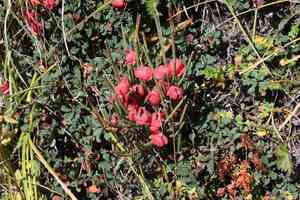
For the robust gerard jointfir, known for its therapeutic qualities and bushy habit, trimming is essential for preserving its well-being and form. Choose to prune in the latter part of winter or early spring, prior to the emergence of fresh shoots. Concentrate on excising deceased or ailing limbs, reducing crowded sections to enhance airflow, and sculpting the plant for visual appeal. Pruning during this period stimulates strong spring development and contributes to the plant's general vigor.
What Are the Benefits of Pruning Gerard Jointfir?
What Are the Benefits of Pruning Gerard Jointfir?
Trimming gerard jointfir promotes vigorous development and preserves its desired shape. Strategic cutting back encourages new shoots, fostering a dense, lively appearance while managing growth for aesthetic and spatial purposes.
What Is the Best Time for Pruning Gerard Jointfir?
What Is the Best Time for Pruning Gerard Jointfir?
Pruning gerard jointfir in late winter or early spring is beneficial because the plant remains dormant. This timing minimizes stress on gerard jointfir, allowing for robust growth once the active season begins. Moreover, since gerard jointfir has not yet produced new growth, it's easier to discern the plant's structure and make precise cuts. Pruning before new growth emerges helps ensure the plant's energy is directed towards developing new, healthy shoots. Additionally, removing dead or damaged branches during this period helps prevent the spread of diseases and pests that could be more active and harmful in other seasons. Pruning in late winter or early spring aligns with gerard jointfir's natural cycle, ensuring its strong recovery and overall health, without interfering with its flowering or fruiting.
What Tools Do I Need to Prune Gerard Jointfir?
Hand Pruners
Perfect for cutting through the relatively slender stems of gerard jointfir. Choose bypass pruners for clean cuts that encourage healthy regrowth.
Pruning Saw
Essential for removing thicker branches of gerard jointfir that hand pruners cannot manage. The fine teeth will provide a clean cut without causing undue stress to the plant.
Gloves
Protective gloves are crucial to shield hands from the tough, sometimes spiny foliage of gerard jointfir.
Loppers
Useful for pruning branches and stems too thick for hand pruners but not thick enough for a saw. The long handles offer leverage and reach.
Pruning Shears
For shaping and maintaining the dense foliage of gerard jointfir, pruning shears allow for precise and delicate snips.
How to Prune Gerard Jointfir
Sterilize
Start by sterilizing your pruning tools to prevent disease spread. Use rubbing alcohol or a solution of one part bleach to nine parts water to clean blades before starting and between cuts if dealing with diseased parts of gerard jointfir.
Remove diseased leaves
Carefully remove any diseased leaves from gerard jointfir. Snip leaves at their base, but avoid cutting into the woody stem. This prevents disease from spreading further into healthy plant parts.
Prune withered leaves
Trim away any withered leaves that are no longer green and vibrant. Make cuts close to the stem to promote better air flow and light penetration, vital for gerard jointfir's health.
Cut dead branches
Locate and remove any dead branches by cutting them back to their origin point or to the main stem, ensuring not to harm healthy parts of gerard jointfir. Use sharp, clean pruning shears for a clean cut.
Trim diseased branches
Identify and prune back diseased branches. Cut well below diseased areas, down to healthy wood. Disinfect tools after each cut to prevent spreading infection throughout gerard jointfir.
Common Pruning Mistakes with Gerard Jointfir
Overpruning
Removing too much foliage can stress gerard jointfir, leading to poor growth and potentially killing the plant.
Improper cut locations
Cutting too far from a node, or into old, woody growth can prevent gerard jointfir from healing properly and encourage disease.
Pruning during active growth
Trimming gerard jointfir while it's actively growing can interrupt its growth cycle and reduce its vigor.
Using dull tools
Dull pruning tools can damage gerard jointfir branches and create jagged cuts that are more susceptible to disease.
Neglecting tool hygiene
Failing to clean tools between cuttings can spread disease from infected plants to healthy parts of gerard jointfir or to other plants.
Common Pruning Tips for Gerard Jointfir
Correct cut locations
Make cuts just above a leaf node where new growth is desired to encourage gerard jointfir to branch out from that point.
Only remove necessary growth
Prune only dead, diseased, or overgrown branches to maintain plant health without overly reducing gerard jointfir's foliage.
Prune for shape
Trim gerard jointfir to maintain its natural form, avoiding overly aggressive shaping that does not conform to its growth habit.
Use sharp tools
Always use sharp, clean pruning shears or scissors to ensure clean cuts that gerard jointfir can heal from more rapidly.
Disinfect tools
Regularly disinfect pruning tools with a solution of bleach or alcohol, especially when moving between different plants or after cutting through diseased material.
Thin crowded areas
Thin out crowded areas of gerard jointfir to improve air circulation, which can help prevent fungal infections and pest infestations.
Cut at an angle
When removing branches, make angled cuts that allow water to run off the cut surface, reducing the likelihood of disease setting in.



