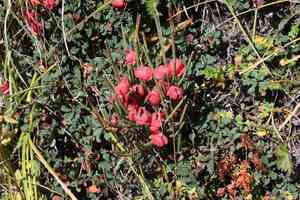
Gerard jointfir (Ephedra gerardiana)
Also known as: Brigham weed
Ephedra, also known as ma huang, is a hardy shrub native to the arid mountainous regions of Asia. It features jointed, green to yellow-green stems that are typically leafless, resembling small horsetails. This plant is well-adapted to harsh environments, sporting tiny, scale-like leaves to reduce water loss. It produces small, inconspicuous cones that contain its seeds. Ephedra has been traditionally utilized for its medicinal properties, especially in the treatment of respiratory issues.
In This Article
Attributes of Gerard jointfir
Lifespan
Perennial
Plant Type
Shrub
Plant Height
60 cm
Spread
3 m
Leaf Color
Green
Flower Size
Small, less than 1 cm
Flower Color
Yellow
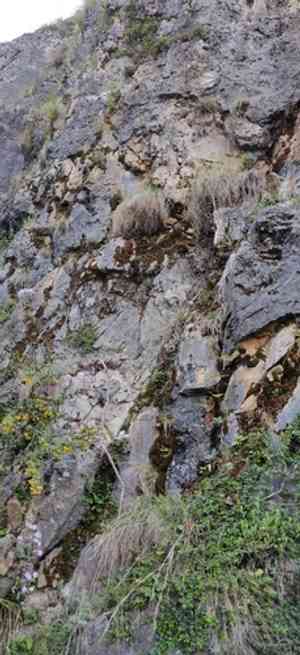
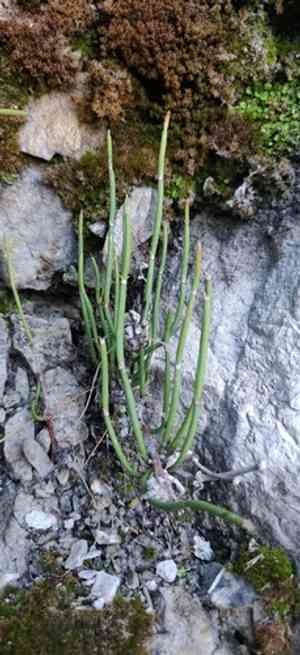
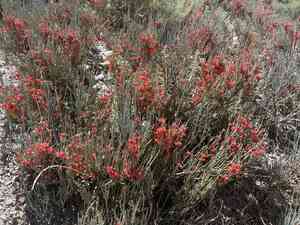
Images of Gerard jointfir
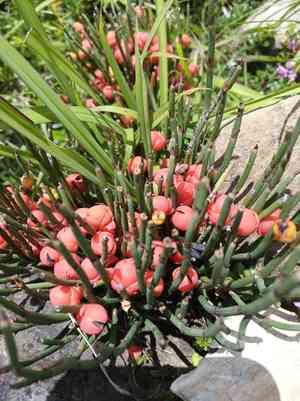
Quickly Identify Gerard jointfir
1
Identification of Ephedra gerardiana can be achieved through its jointed green stems that have a segmented appearance, with tiny scale-like leaves at nodes. These plants are generally small and shrubby in nature.
Scientific Classification of Gerard jointfir
Phylum
Vascular plants
Class
Gnetophytes
Order
Ephedrales
Family
Mormon-tea
Genus
Joint-pines
Species
Gerard jointfir
Planting and Growing of Gerard jointfir
Care Difficulty
Easy
Watering Schedule
Every 2 days
Sunlight Requirements
Full sun
Sunshine Duration
4-6 hours
Ideal Temperature
50-68℉
Soil Type
Potting Mix, Peat Mix
Soil pH
6.5-7.5
Fertilizer Type
Balanced
Pruning Season
Spring, Summer
Pruning Area
Branches, Leaves
Pruning Frequency
2 times a year
Repotting Season
Spring
Pot Type
Plastic, Ceramic
 How to Water Gerard jointfir?
For Ephedra gerardiana, ensure that the soil is soaked thoroughly but not waterlogged. Use about 250 ml of water per session, making sure the excess drains out completely. This desert plant is adapted to arid conditions, so it prefers dry intervals between watering.
What are the symptoms of an underwatered Gerard jointfir?
›
What should I do if my Gerard jointfir is not getting enough water?
›
What are the symptoms of an overwatered Gerard jointfir?
›
How to save an overwatered Gerard jointfir?
›
 What Are the Sunlight Requirements for Gerard jointfir?
The plant prefers full to partial sun, receiving 6-8 hours daily. Ideal lighting ensures healthy growth, fostering vigorous leaf and stem development, and robust resilience against environmental stressors.
Best Time of Day for Sun
›
Supplemental Lighting Options
›
Effects of Ideal Lighting
›
 What Is the Ideal Temperature Range for Gerard jointfir?
The ideal temperature range for growing Ephedra gerardiana lies between 50°F and 68°F. This range provides optimal conditions for the plant to thrive, encouraging healthy growth and vitality. Maintaining this temperature ensures that the plant can carry out photosynthesis efficiently without the stress of temperature extremes.
 What Soil is Best for Gerard jointfir?
Ephedra gerardiana thrives best in well-drained soils, which allow excess water to escape easily. This prevents root rot and promotes healthy root development, crucial for nutrient uptake and plant stability. This plant benefits from nutrient-rich soils, which provide essential minerals and organic matter. Adequate nutrients facilitate robust growth and improve the overall health and resilience of the plant. Ephedra gerardiana requires soils with moderate fertility to avoid nutrient surplus or deficit. Balanced fertility supports steady growth and flowering, ensuring the plant's lifecycle is optimal.
 How to Fertilize Gerard jointfir?
For Ephedra gerardiana, it's vital to apply the right amount of fertilizer to avoid nutrient imbalances. For liquid fertilizers, use about 1 tablespoon per gallon of water. When using slow-release granular fertilizers, apply around 1 teaspoon directly to the soil per plant. This ensures the plant has sufficient nutrition without risking over-fertilization.
 How to Prune Gerard jointfir?
Prune in early Spring before new growth forms, or in late Autumn after the growing season to shape the plant and remove dead wood. Remove dead and damaged branches first. Look for branches that cross each other or grow inwards and trim them to promote airflow. Use sharp scissors or shears to make clean cuts at an angle. This helps plants heal quickly and reduces stress on the plant.
More About Pruning Techniques→
 How to Propagate Gerard jointfir plant?
1
Begin by sowing seeds in a well-draining soil mixture. Ensure the seeds are slightly covered with soil, and place the tray in a sunny location. Maintain consistent moisture levels.
2
Select healthy, non-flowering stems and use pruning shears to cut them at a 45-degree angle. Ensure each cutting is between 4-6 inches long and remove any lower leaves.
3
Dip the cuttings' ends in a rooting hormone to stimulate root growth. Then, plant them in a moist, well-draining soil or sand mixture, and cover with a plastic dome to maintain humidity.
 How to Repot Gerard jointfir plant?
1
Ephedra gerardiana shows signs of needing repotting when its roots start circling the pot, the potting mix dries out too quickly, or the plant shows slowed growth. These are strong indicators that the plant requires more room to breathe and grow, so spring or autumn is ideal for repotting to minimize stress.
2
Select a pot that is 1-2 inches larger in diameter than the current one to prevent waterlogging and support healthy root development. Opt for a container with adequate drainage holes to ensure excess water escapes, which helps prevent root rot, thereby contributing to the plant's thriving environment.
3
For optimal growth, Ephedra gerardiana thrives in a well-draining sandy soil mix. The soil should mimic its natural rocky and sandy habitats, permitting proper root aeration while avoiding water retention. A suitable soil mix facilitates nutrient absorption, which is vital for robust growth.
Learn More About Gerard jointfir Diseases
Anthracnose
Bacterial Leaf Spot
Bacterial Wilt
Crown Gall
Cyst Nematode
Damping-off
Downy Mildew
Drought Stress
Fusarium Wilt
Gray Mold
Leaf Spot
Mosaic
Nutrient Deficiency
Nutrient Toxicity
Powdery Mildew
Root Rot
Root-knot Nematode
Rusts
Sooty Mold
Spider Mites
Temperature Stress
Thrips Damage
White Mold



