How to Transplant Death valley jointfir?
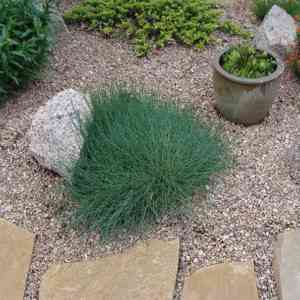
Death valley jointfir flourishes most effectively when relocated from the initial warmth of early spring to the peak of late spring. Select a sandy, well-aerated spot that receives ample sunlight. Handle with care to prevent root disturbance, ensuring peak vitality.
What Preparations are Needed Before Transplanting Death Valley Jointfir?
What is the Ideal Time for Transplanting Death Valley Jointfir?
Death valley jointfir flourishes most effectively when moved from early to late spring. This timeframe allows the plant to establish its root system prior to the intense summer heat. Relocating during this period maximizes growth potential, lessens transplant shock, and guarantees optimal development, setting the stage for a healthy, robust perennial.
How Much Space Should You Leave Between Death Valley Jointfir Plants?
When relocating death valley jointfir, ensure each plant is positioned 3-5 feet (0.9-1.5 meters) apart. This spacing provides ample room for development and promotes good air circulation, which aids in disease prevention.
What is the Best Soil Mix for Death Valley Jointfir Transplanting?
For death valley jointfir, prepare a well-draining soil mixture containing sand and gravel. You can enrich the soil with a low-nitrogen base fertilizer to support healthy, consistent growth. Avoid heavy, clay-based soils as they tend to retain excessive moisture.
Where Should You Relocate Your Death Valley Jointfir?
Death valley jointfir thrives in full sunlight, so select a spot that receives at least 6-8 hours of direct sun daily. Positioning it in a southern or western exposure in your garden will give it the best chance to flourish and remain healthy.
What Equipments Should You Prepare Before Transplantation Death Valley Jointfir?
Gardening Gloves
To safeguard your hands while handling soil and the plant.
Shovel or Spade
For excavating around the plant and preparing the new planting hole.
Trowel
For more precise digging and careful handling of the root ball.
Pruning Shears
To trim any damaged or excess roots or foliage.
Watering Can or Hose
To hydrate the plant before and after its relocation.
Wheelbarrow
To move the plant if it is particularly large or heavy.
How Do You Remove Death Valley Jointfir from the Soil?
How Do You Remove Death Valley Jointfir from the Soil?
From Ground: First, moisten the death valley jointfir plant to dampen the soil. Then, dig a wide trench around the plant using a shovel or spade, ensuring the plant's root ball stays intact. Carefully work the spade beneath the root ball to lift the plant from its original spot.From Pot: Water the death valley jointfir plant thoroughly to loosen the soil. Gently tip the pot onto its side and tap the bottom to release the plant. Slide the plant out while supporting the root ball. If the plant is root-bound, gently separate the roots with your fingers.From Seedling Tray: Water the death valley jointfir seedlings to keep the soil moist. Use a small trowel or your fingers to carefully lift each seedling by its leaves or stem base, taking care to avoid damaging the roots.
Step-by-Step Guide for Transplanting Death Valley Jointfir
Site Preparation
Prepare the new planting location by digging a hole twice as wide and as deep as the death valley jointfir's root ball. Loosen the soil at the base of the hole to encourage root penetration.
Transplanting
Place the death valley jointfir into the prepared hole, ensuring the top of the root ball is level with the ground surface. Backfill the hole with the excavated soil, gently firming it around the roots to eliminate air pockets.
Water Immediately
Water the death valley jointfir thoroughly right after transplanting to help settle the soil around the roots.
How Do You Care For Death Valley Jointfir After Transplanting?
Watering
Keep the soil around the death valley jointfir consistently moist, but not waterlogged, for the initial few weeks post-transplant to aid in establishing strong roots.
Mulching
Apply a layer of mulch around the base of the death valley jointfir to retain moisture and suppress weeds, ensuring it doesn't touch the stem to prevent rot.
Pruning
Trim any dead or damaged foliage to reduce stress and promote new growth.
Troubleshooting Common Issues with Death Valley Jointfir Transplantation.
When is the best time to transplant death valley jointfir?
Early to late spring is optimal for transplanting to ensure ideal growth conditions.
How should I prepare the soil for death valley jointfir?
Utilize well-drained soil with a balanced pH and incorporate organic compost for improved nutrient availability.
What is the optimal spacing for planting death valley jointfir?
Space each plant 3-5 feet (1-1.5 meters) apart to allow adequate room for growth.
How do I minimize transplant shock for death valley jointfir?
Water thoroughly before and after transplanting and avoid damaging the root ball during the process.
What is the ideal depth for planting death valley jointfir?
Plant at the same depth as it was in its original container without burying the stem.
How should I water death valley jointfir after transplanting?
Water deeply and regularly, but ensure the soil drains well to prevent waterlogging.
What kind of sunlight does death valley jointfir require?
Death valley jointfir prefers full sun; at least 6 hours of direct sunlight daily for optimal growth.
How can I protect death valley jointfir from pests after transplanting?
Monitor for pests and use natural deterrents or insecticidal soap if necessary.
Should I fertilize death valley jointfir after transplanting?
Lightly fertilize with a balanced, slow-release fertilizer a few weeks after transplanting.
How should I handle death valley jointfir's roots during transplanting?
Be gentle with the roots and avoid breaking or bending them during the transplanting process.



