How to Propagate Death valley jointfir?
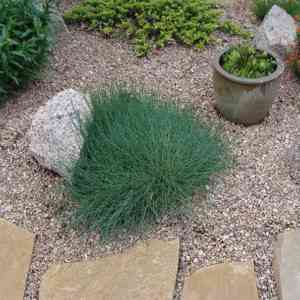
The death valley jointfir flourishes in parched surroundings, rendering its propagation distinct. To achieve optimal outcomes, employ stem cuttings; this technique harmonizes effectively with the death valley jointfir's developmental characteristics. Verify that the cuttings originate from robust, pathogen-free specimens. Utilize a substrate that drains efficiently and uphold a low level of humidity to avert decay, thereby emulating the death valley jointfir's inherent arid environmental circumstances. Effective root formation frequently depends on consistent, elevated temperatures and refraining from excessive irrigation.
Optimal Time for Death Valley Jointfir Propagation
Propagation Method
Cutting
Propagation Period
Spring,Summer
Tools for Death Valley Jointfir Propagation
Sharp Pruning Shears
These shears are vital for making clean cuts on the stem sections of death valley jointfir. A sharp, unfringed cut helps prevent infection and promotes healthier root development during cutting propagation.
Rooting Hormone Powder
This hormone aids in stimulating root growth from death valley jointfir cuttings. Applying it to the fresh cut base encourages quicker, more successful root initiation, crucial for new plant health.
Sterile Soil Mix
A well-draining, sterile soil mix offers an ideal environment for death valley jointfir cuttings to root. Its sterility minimizes the risk of soil-borne diseases, fostering a healthier growth phase.
Humidity Dome
Maintaining high humidity around death valley jointfir cuttings is key to preventing moisture loss and ensuring successful rooting. A humidity dome keeps the environment moist, vital in dry climates.
How to Propagate Death Valley Jointfir?
Propagation Difficulty
Moderately Difficult
Caring for Newly Propagated Death Valley Jointfir
Caring for Newly Propagated Death Valley Jointfir
Death valley jointfir needs minimal care after propagation, thriving in well-drained soil and full sun. Once established, water sparingly and protect from extreme winter cold. Fertilization is usually unnecessary; ensure its environment mimics its natural arid habitat for optimal growth.
Common Propagation Errors for Death Valley Jointfir
Overwatering during propagation
As death valley jointfir originates from arid regions, excessive moisture can cause root rot and fungal issues, significantly lowering propagation success.
Using non-draining containers
Containers lacking proper drainage can hold too much moisture around death valley jointfir roots, which is harmful as the plant is adapted to dry conditions.
Ignoring soil composition
Using rich, heavy, or poorly draining soils can suffocate death valley jointfir roots, hindering the establishment of a healthy root system essential for successful propagation.
Tips for Propagating Death Valley Jointfir
Use well-draining soil
Employing a sandy or gravelly soil mix will emulate death valley jointfir's natural habitat, preventing water accumulation around roots and promoting healthier growth.
Moderate watering
Balance watering; allow the soil to dry between waterings to avoid over-saturation, mimicking the dry conditions death valley jointfir is accustomed to.
Provide full sun exposure
Ensuring death valley jointfir receives full sun is crucial for its growth and development, as it thrives in the open, sun-drenched environments of its native habitat.



