How to Transplant California jointfir?
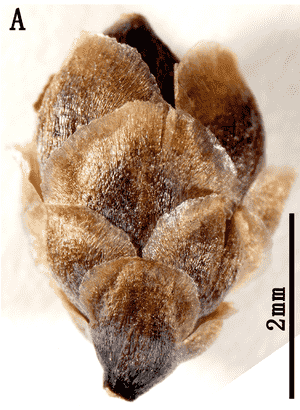
California jointfir flourishes most effectively when relocated during the colder seasons, particularly from the beginning to the end of spring or the start to the conclusion of winter, since these periods provide ideal circumstances for root development. Select a bright, adequately draining spot.
What Preparations are Needed Before Transplanting California Jointfir?
What is the Ideal Time for Transplanting California Jointfir?
California jointfir, a perennial plant, is best moved from early to late spring or early to late winter. Relocating during these periods enhances root establishment and growth due to milder temperatures and increased moisture. Choosing the right season prevents transplant shock and encourages healthier development.
How Much Space Should You Leave Between California Jointfir Plants?
When relocating california jointfir, ensure each plant is spaced 3-6 feet (0.9-1.8 meters) apart. This provides ample room for growth and prevents overcrowding. Remember, proper spacing supports robust development.
What is the Best Soil Mix for California Jointfir Transplanting?
For california jointfir, prepare a soil mix that drains effectively. A combination of sandy or rocky soil with organic compost is most suitable. Incorporating a phosphorus-rich base fertilizer will aid root establishment. Aim for slightly alkaline to neutral pH levels.
Where Should You Relocate Your California Jointfir?
Select a sunny spot for moving california jointfir. Full sunlight, at least 6-8 hours daily, is optimal. This plant thrives in bright light, so avoid shaded areas to ensure it receives the necessary energy for strong, healthy growth.
What Equipments Should You Prepare Before Transplantation California Jointfir?
Gardening Gloves
To safeguard your hands while handling soil and the plant.
Shovel or Spade
For excavating the new hole and extracting the plant from its original spot.
Hand Trowel
Useful for working around the plant's root system and smaller digging tasks.
Watering Can or Hose
For hydrating the plant before and after its relocation.
Pruning Shears
To trim any damaged roots or stems during the transplanting process.
Bucket or Container
To transport the plant if required.
Mulch
To help maintain moisture around the plant after it's been moved.
How Do You Remove California Jointfir from the Soil?
How Do You Remove California Jointfir from the Soil?
From Ground: First, moisten the california jointfir plant's soil. Then, dig a wide trench around the plant with a shovel or spade, ensuring the root ball stays intact. Carefully work the spade beneath the root ball to lift the plant from its initial location.From Pot: Begin by gently watering the california jointfir plant to soften the soil. Hold the plant's base while inverting the pot and gently tap the sides to loosen the soil. Slide the plant out, making sure the root ball remains whole. If the plant is root-bound, carefully loosen the roots with your hands.From Seedling Tray: Lightly water the seedlings, then use a hand trowel or small tool to carefully lift each seedling from the tray. Handle seedlings by their leaves to prevent damage to delicate stems.
Step-by-Step Guide for Transplanting California Jointfir
Site Preparation
Choose a suitable location with the correct conditions for california jointfir. Dig a hole that is twice as wide and as deep as the root ball of your california jointfir plant.
Remove Plant
Follow the appropriate removal instructions for your situation to carefully extract the california jointfir plant from its original spot.
Place Plant
Gently position the removed california jointfir plant into the prepared hole, ensuring the top of the root ball is level with the ground surface.
Backfill Soil
Fill the hole with soil, gently pressing it around the root ball to eliminate air pockets. Avoid compacting the soil too tightly as this can impede root growth.
Water Thoroughly
Water the california jointfir plant thoroughly after transplanting to help settle the soil and establish the roots. Ensure the water penetrates deep into the soil.
How Do You Care For California Jointfir After Transplanting?
Watering
Keep the soil around the california jointfir consistently moist, but not waterlogged, for the initial weeks post-transplant to aid in strong root development.
Mulching
Apply a layer of mulch around the base of the california jointfir plant to retain moisture and stabilize soil temperature.
Monitoring
Observe the california jointfir for indications of transplant shock, such as wilting or yellowing leaves, and provide additional care if necessary.
Protection
If conditions are very sunny or windy, consider offering temporary shade or wind protection to help the california jointfir plant adapt to its new surroundings.
Troubleshooting Common Issues with California Jointfir Transplantation.
When is the best time to transplant california jointfir?
Early spring to late spring or early winter to late winter is ideal for relocating california jointfir.
How much space should I leave between plants?
Ensure a spacing of 3-6 feet (about 1-2 meters) between each california jointfir plant.
What kind of soil does california jointfir prefer?
California jointfir thrives in well-drained, sandy or rocky soil.
How frequently should I water california jointfir after transplanting?
Water california jointfir regularly for the first few weeks, then reduce to occasional watering.
Should I fertilize after transplanting california jointfir?
Fertilize sparingly initially; california jointfir doesn't require heavy feeding.
How can I protect california jointfir from transplant shock?
Water immediately after transplanting and provide some shade to minimize shock.
What is the ideal transplanting depth for california jointfir?
Transplant california jointfir at the same depth it was originally growing.
How do I prepare california jointfir for transplanting?
Thoroughly water california jointfir a day before to ease root disturbance.
Do I need to prune california jointfir before transplanting?
It's helpful to prune dead or damaged stems but avoid heavy pruning.
How long will it take california jointfir to establish after transplanting?
California jointfir typically establishes within one growing season with proper care.



