How to Propagate California jointfir?
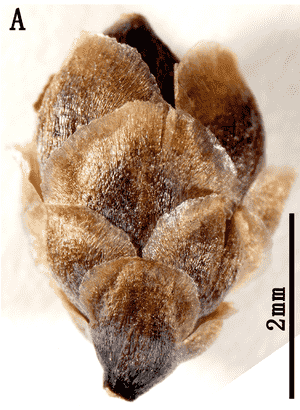
Ephedra californica, a member of the Ephedraceae family, is a hardy arid-region shrub characterized by its thin, segmented stalks. To achieve successful propagation, utilize semi-lignified cuttings inserted into a sandy, free-draining substrate. Keep the soil damp but avoid saturation. Applying rooting stimulant can boost the chances of success. Steady warm conditions and a degree of humidity can lead to better results. Vigilant inspection for infestations and ailments guarantees robust development. Achieving positive outcomes in this endeavor demands perseverance and meticulous attention.
What Is the Best Time To Propagate California Jointfir?
Propagation Type
Cutting
Propagation Season
Spring,Summer
What Tools Are Used in California Jointfir Propagation?
Sharp Pruning Shears
Sharp pruning shears are vital for obtaining clean, precise cuttings from california jointfir. This tool minimizes plant tissue damage, lowering infection risk and ensuring healthy cuttings.
Rooting Hormone
A rooting hormone, available as powder or gel, is utilized to stimulate root development in california jointfir cuttings. It boosts the likelihood of successful propagation by encouraging quicker and stronger root growth.
Propagation Trays
Propagation trays offer a controlled environment for california jointfir cuttings to establish roots. These trays help maintain consistent moisture levels and enhance air circulation around cuttings, which are crucial for root development.
Misting Bottle
A misting bottle is employed to keep california jointfir cuttings adequately hydrated without causing waterlogging. It ensures delicate cuttings receive sufficient moisture to remain healthy during the rooting process.
Perlite
Perlite is a lightweight, porous material added to the potting mix to enhance aeration and drainage for california jointfir cuttings. It aids in preventing waterlogging and promotes the growth of a robust root system.
Heating Mat
A heating mat provides warmth from below to propagation trays, creating an ideal temperature for root formation in california jointfir cuttings. This regulated heat accelerates the rooting process and improves success rates.
Labeling Stakes
Labeling stakes assist in tracking various cuttings and their propagation dates. Proper labeling ensures california jointfir cuttings are monitored and cared for systematically, leading to better management throughout the propagation period.
How to Propagate California Jointfir?
Propagation Type
Moderately Difficult
How to Care for Your Newly Propagated California Jointfir?
How to Care for Your Newly Propagated California Jointfir?
Once roots have formed and new growth is apparent, gradually introduce california jointfir to outdoor conditions. Transplant them into individual containers or directly into the garden in well-draining soil. Water sparingly, allowing the soil to dry between waterings. Prune as needed to maintain shape and manage growth. Monitor for pests and diseases, ensuring california jointfir stays healthy and vigorous.
Common Mistakes to Avoid When Propagating California Jointfir
Overwatering
Excessive moisture can lead to root rot and fungal infections, impeding successful propagation.
Improper Soil Choice
Using soil that retains too much moisture or lacks adequate drainage can be harmful to california jointfir, which prefers well-draining substrates.
Inadequate Light
Failure to provide sufficient light can result in weak and elongated growth, as california jointfir requires full sunlight to flourish.
Incorrect Cutting Technique
Taking cuttings from the wrong part of the plant or employing improper methods can diminish the chances of successful rooting.
Neglecting Acclimatization
Transferring young plants to outdoor conditions too rapidly without proper acclimatization can cause shock and reduced survival rates.
Tips For Propagating California Jointfir
Well-Draining Soil
Utilize a sandy or gritty soil mix that ensures good drainage to mimic california jointfir's natural environment.
Adequate Watering
Water sparingly, allowing the soil to dry out slightly between watering sessions to prevent root rot.
Full Sun
Position in a location with ample sunlight to ensure robust, healthy growth.
Proper Cuttings
Take semi-ripe cuttings from healthy, non-flowering stems to enhance the likelihood of successful rooting.
Gradual Acclimatization
Slowly accustom new plants to outdoor conditions, progressively increasing their exposure to sunlight and varying temperatures.



