How to Transplant Buffalo-spinach?
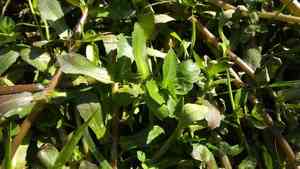
For buffalo-spinach, the ideal period for relocation spans from the refreshing warmth of early spring through the robust development phase of late spring, facilitating root integration. Choose a watery or partially submerged location, abundant in organic material, and ensure continuous dampness for successful acclimation.
What Preparations are Needed Before Transplanting Buffalo-spinach?
What is the Ideal Time for Transplanting Buffalo-spinach?
The best time to move buffalo-spinach is from early spring's awakening to the start of early summer. This period leverages strong growth after winter, giving buffalo-spinach ample chance to develop robust roots in the mild, damp soil typical of these revitalizing months. Transplanting buffalo-spinach when the earth regains its vigor maximizes survival and promotes strong, healthy plants.
How Much Space Should You Leave Between Buffalo-spinach Plants?
Hello, gardening enthusiast! When preparing to transplant your buffalo-spinach, remember to provide them with adequate room to flourish. Position them approximately 12-18 inches (30-46 cm) apart. This spacing ensures they have sufficient area to thrive without competing with neighboring plants.
What is the Best Soil Mix for Buffalo-spinach Transplanting?
For your buffalo-spinach to truly flourish, it prefers to establish its roots in soil that drains well and is rich in organic matter. Before transplanting, incorporate a balanced, slow-release fertilizer to give your buffalo-spinach a nutritional head start. Consider it a comfortable bed with a built-in meal for your plants!
Where Should You Relocate Your Buffalo-spinach?
Your buffalo-spinach enjoys ample sunshine but also appreciates some shade, particularly in warmer climates. Place your buffalo-spinach in a location that receives partial sunlight, shielding them from intense afternoon rays. It's like finding the perfect sunny spot for a picnicâpleasant but not overly hot!
What Equipments Should You Prepare Before Transplantation Buffalo-spinach?
Shovel or Spade
To excavate the buffalo-spinach plant without harming its root system.
Garden Trowel
For smaller, more precise digging tasks.
Pruning Shears
To trim any damaged or excessively long roots prior to transplanting.
Wheelbarrow or Garden Cart
To move the buffalo-spinach plant and soil.
Watering Can or Hose
To hydrate the buffalo-spinach plant before and after relocation.
Gardening Gloves
To safeguard your hands while working with soil and plants.
Stakes or Plant Supports
To offer stability to the buffalo-spinach plant post-transplanting if necessary.
How Do You Remove Buffalo-spinach from the Soil?
How Do You Remove Buffalo-spinach from the Soil?
From Ground: Water the buffalo-spinach thoroughly to soften the surrounding soil for easier digging. Carefully excavate a circle around the plant, leaving ample space to avoid cutting roots. Gradually deepen the trench, gently working beneath the root ball, then lift the plant from its spot.From Pot: Water the buffalo-spinach and allow drainage, which will facilitate removal. Place your hand on the soil surface with the plant stem between your fingers, invert the pot, and gently tap the bottom to ease out the buffalo-spinach.From Seedling Tray: Moisten the soil to prevent root damage. Use a garden trowel or your fingers to carefully lift the buffalo-spinach (along with its surrounding soil clump) from the cell without harming roots or stem.
Step-by-Step Guide for Transplanting Buffalo-spinach
Preparation
Ensure all necessary tools are ready and review the entire transplantation process before beginning.
Watering Pre-Transplant
Thoroughly water the buffalo-spinach in its original spot to minimize transplant shock.
Rootball Care
Carefully dig out the buffalo-spinach with a wide margin to preserve a healthy root ball.
Immediate Transplant
Minimize the time buffalo-spinach spends out of soil; prepare the new hole before removing it from its initial location.
Hole Size
Dig a hole in the ground that is twice the width of the root ball and of equal depth to allow for root expansion.
Placement
Position the buffalo-spinach in the center of the new hole, ensuring it's at the same depth it was growing previously.
Fill-in Soil
Gently backfill the hole with soil, lightly tamping down to remove large air pockets.
Watering Post-Transplant
Water the buffalo-spinach generously after transplanting to help settle the soil around its roots.
How Do You Care For Buffalo-spinach After Transplanting?
Watering
Regularly check the buffalo-spinach's soil moisture, avoiding overwatering, and keep the soil consistently damp.
Monitoring
Observe the buffalo-spinach for indications of transplant shock, such as wilting or discolored leaves.
Supporting
If the buffalo-spinach appears unstable or leans, provide support using stakes or plant supports.
Pruning
Remove any dead or damaged parts of the buffalo-spinach to direct its energy towards new growth.
Mulching
Apply a layer of mulch around the buffalo-spinach to help retain soil moisture and regulate soil temperature.
Troubleshooting Common Issues with Buffalo-spinach Transplantation.
What's the best time to transplant buffalo-spinach?
Relocate buffalo-spinach when the season shifts from cool to moderate warmth, typically early to late spring.
How far apart should I space buffalo-spinach when transplanting?
Allow buffalo-spinach ample room to grow by spacing them 12-18 inches (30-45 cm) apart.
What should I do if buffalo-spinach wilts after transplanting?
Ensure buffalo-spinach receives sufficient water and shade from intense sun, and consider using a root stimulant.
Why are my transplanted buffalo-spinach leaves turning yellow?
Yellowing may signal overwatering or poor drainage. Adjust irrigation and improve soil aeration.
How deep should I plant buffalo-spinach during transplantation?
The root ball should be level with the soil surface, not deeper, to prevent rot.
Can I transplant buffalo-spinach during summer or fall?
It's best to wait for spring, as transplanting during hotter or colder seasons can stress buffalo-spinach.
My transplanted buffalo-spinach isn't growing. What can I do?
Ensure it's not root-bound, receiving proper light, and not over or under-watered. Patience is crucial!
What soil is best for transplanting buffalo-spinach?
Use well-draining soil and consider enriching it with organic compost for optimal buffalo-spinach growth.
How much sun does transplanted buffalo-spinach need?
Provide buffalo-spinach with a balance of sunlight and partial shade, especially during the hottest hours.
When will I know buffalo-spinach is established after transplanting?
Once buffalo-spinach shows new growth and appears resilient to weather changes, it's likely established.



