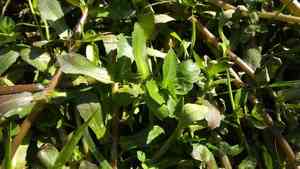
Buffalo-spinach (Enydra fluctuans)
Also known as: Water Cress, Swamp Cabbage
Buffalo-spinach (Enydra fluctuans) commonly grows in marshy, waterlogged areas such as riverbanks, swamps, and paddy fields. It thrives near water margins and in shallow waters, where it can sometimes impede water flow if it becomes too dense. Its yellow-green foliage often camouflages it within its natural surroundings.
In This Article
Attributes of Buffalo-spinach
Lifespan
Perennial
Plant Type
Herb
Plant Height
30 cm to 80 cm
Spread
Not applicable
Leaf Color
Green
Flower Size
0.5-1 cm
Flower Color
White Green
Images of Buffalo-spinach
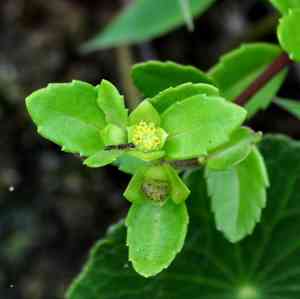
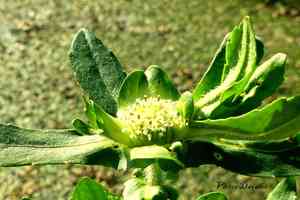
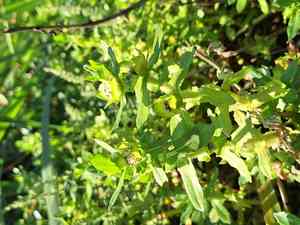
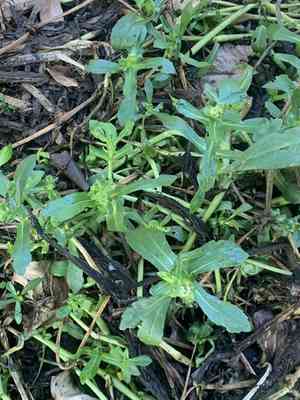
Quickly Identify Buffalo-spinach
1
To identify Enydra fluctuans, you can look for its succulent, prostrate or floating stems which are often spongy. The leaves are opposite, lanceolate, and finely toothed. The plant produces small, yellowish flowers in clusters.
Scientific Classification of Buffalo-spinach
Phylum
Vascular plants
Class
Dicotyledons
Order
Asterales
Family
Daisy
Genus
Enydra
Species
Buffalo-spinach
Planting and Growing of Buffalo-spinach
Care Difficulty
Easy
Watering Schedule
Every 8 days
Sunlight Requirements
Partial sun
Sunshine Duration
8-12 hours
Ideal Temperature
68-86℉
Soil Type
Potting Mix, Peat Mix
Soil pH
6.5-7.5
Fertilizer Type
Balanced
Pruning Season
Spring, Summer
Pruning Area
Branches, Leaves
Pruning Frequency
2 times a year
Repotting Season
Spring
Pot Type
Plastic, Ceramic
 How to Water Buffalo-spinach?
Enydra fluctuans thrives best with consistent moisture. When watering, aim for about 250 ml per session, ensuring the soil is saturated but not waterlogged. The amount may vary based on humidity and climate, so keep the soil evenly moist without allowing it to dry out completely.
What are the symptoms of an underwatered Buffalo-spinach?
›
What should I do if my Buffalo-spinach is not getting enough water?
›
What are the symptoms of an overwatered Buffalo-spinach?
›
How to save an overwatered Buffalo-spinach?
›
 What Are the Sunlight Requirements for Buffalo-spinach?
Enydra fluctuans thrives best in partial to full sun, requiring at least 6-8 hours of light. This light range supports its photosynthetic needs, driving healthy growth and vigor.
How much light does Enydra fluctuans need?
›
What are the solutions to achieve ideal lighting for Enydra fluctuans?
›
What benefits does ideal light bring to Enydra fluctuans?
›
 What Is the Ideal Temperature Range for Buffalo-spinach?
Enydra fluctuans thrives best in a warm climate with temperatures ranging between 68°F and 86°F. Maintaining this range ensures optimal growth and development of the plant. The warm temperatures facilitate efficient metabolic processes, leading to vibrant foliage and robust growth.
 What Soil is Best for Buffalo-spinach?
For Enydra fluctuans to thrive, nutrient-rich soil is a fundamental requirement. This plant prospers with a decent supply of organic matter and nutrients. Providing such soil ensures healthy growth and lushness of its foliage. Enydra fluctuans prefers soil that retains moisture well without becoming waterlogged. Well-hydrated soil supports its aquatic nature and ensures that the plant remains vibrant and robust, especially in warm seasons. Though moisture-retentive, the soil must also be well-drained to prevent root rot. Proper drainage allows excess water to escape, thereby maintaining the plant's health and preventing adverse conditions caused by water-logged systems.
 How to Fertilize Buffalo-spinach?
Enydra fluctuans, commonly known as Indian spinach, thrives best when provided with balanced nutrition. A typical liquid fertilizer containing nitrogen, phosphorus, and potassium at a balanced ratio of 10-10-10, administered at a concentration of 20 milliliters per liter of water, supports robust growth and lush foliage. During the growing season, adjust the nutrient concentration based on green tissue health to maintain optimal plant vigor.
 How to Prune Buffalo-spinach?
Carefully inspect your Enydra fluctuans for any dead, diseased, or damaged leaves. Begin by removing these to allow more nutrients and sunlight to reach the healthy parts of the plant, encouraging robust growth. To make the plant more bushy and compact, trim the longer stems back to a node—a point where leaves emerge. This stimulates branching and can lead to a fuller plant, which also enhances its visual appeal. Prune regularly to maintain the shape and size you desire. This step involves trimming back any overgrowth that disrupts the plant's symmetry. An aesthetically pleasing shape boosts the overall allure of your garden space.
More About Pruning Techniques→
 How to Propagate Buffalo-spinach plant?
1
Select healthy, non-flowering stems and cut sections about 10-15 cm long. Remove any leaves from the lower half of the cutting to prevent rot and promote root growth.
2
Prepare a suitable seed mix with equal parts of soil, compost, and sand. This combination provides good drainage and aeration, essential for seedling development and reducing the risk of diseases.
3
Carefully dig up the plant and separate the root system into several sections. Ensure each section has sufficient roots to establish itself independently to encourage healthy, new growth.
 How to Repot Buffalo-spinach plant?
1
The best indicators for repotting Enydra fluctuans are slowed growth, roots growing through drainage holes, or the plant becoming top-heavy and unstable in its current pot. Choose a time during the active growing seasons of spring or summer to repot for optimal recovery and growth.
2
Select a pot that is one size larger than the current one, with good drainage holes. A slightly wider and deeper pot will accommodate the plant's expanding root system, allowing better nutrient absorption and preventing waterlogging.
3
Opt for loamy, well-draining soil that retains some moisture but doesn't become waterlogged. This soil mix supports robust root growth and discourages root rot, maintaining a balance between aeration and moisture retention.
Learn More About Buffalo-spinach Diseases
Anthracnose
Bacterial Leaf Spot
Bacterial Soft Rot
Bacterial Wilt
Chemical Injury
Damping-off
Downy Mildew
Drought Stress
Fusarium Wilt
Gray Mold
Leaf Spot
Mosaic
Nutrient Deficiency
Nutrient Toxicity
Powdery Mildew
Root Rot
Root-knot Nematode
Sooty Mold
Spider Mites
Temperature Stress
Thrips Damage
White Mold



