How to Prune Buffalo-spinach?
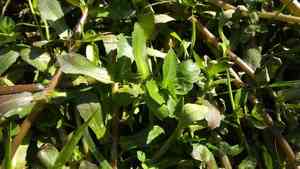
Buffalo-spinach, which flourishes in moist environments, benefits from consistent trimming to preserve its dense form and stimulate more abundant development. The most suitable periods for pruning are during spring and early summer, coinciding with its active growth stages. Shorten elongated stalks and eliminate any discolored or drooping foliage to foster robust leaves. Pruning not only improves the plant's aesthetic but also elevates its yield, enhancing air movement and lowering the chance of illness.
What Are the Benefits of Pruning Buffalo-spinach?
What Are the Benefits of Pruning Buffalo-spinach?
Trimming buffalo-spinach can greatly boost its vitality, promoting more vigorous and robust development. Strategic cutting aids in maintaining an attractive shape, ensuring the plant stays tidy and well-proportioned in its environment.
What Is the Best Time for Pruning Buffalo-spinach?
What Is the Best Time for Pruning Buffalo-spinach?
The recommended pruning periods align with buffalo-spinach's active growth phase when it is most resilient and can quickly recover from pruning stress. Late spring offers mild weather, which encourages rapid regrowth, while early summer ensures the plant avoids potential stress from the peak heat of mid to late summer. Pruning at these times helps shape the plant, stimulates new growth, and removes any dead or diseased foliage, thereby enhancing buffalo-spinach's overall health and vigor. Additionally, trimming before any flowering or fruiting allows buffalo-spinach to direct its energy towards producing strong foliage and maintaining a compact, lush appearance without allocating resources to flowers or seeds.
What Tools Do I Need to Prune Buffalo-spinach?
Hand Pruners
Ideal for making precise cuts on soft stems of buffalo-spinach, minimizing harm to the plant.
Gardening Scissors
Perfect for snipping delicate leaves and thin stems of buffalo-spinach, enabling accuracy in shaping and maintaining plant health.
Pruning Shears
Effective for cutting slightly thicker stems and branches of buffalo-spinach, allowing for quick and easy removal of unwanted growth.
How to Prune Buffalo-spinach
Identify affected areas
Thoroughly inspect buffalo-spinach to pinpoint and mark diseased leaves, withered foliage, and unhealthy stems before pruning.
Sterilize tools
Sanitize pruning tools to prevent disease transmission. Use either rubbing alcohol or a 10% bleach solution to effectively clean the blades.
Prune diseased leaves
Carefully remove any diseased leaves from buffalo-spinach, taking care not to harm adjacent healthy foliage. Securely dispose of these leaves to prevent contamination.
Prune withered leaves
Remove withered leaves from buffalo-spinach to improve air circulation and plant appearance. Make clean cuts at the base of the leaf stalks.
Prune diseased stems
Cut back any diseased stems on buffalo-spinach to healthy tissue, ensuring a clean cut to promote quick healing. Seal cuts on larger stems with pruning paste to protect against pests and diseases.
Common Pruning Mistakes with Buffalo-spinach
Over-pruning
Removing too much foliage can stress buffalo-spinach, weakening it and leading to reduced growth and fewer leaves, which are the edible part of the plant.
Uneven pruning
Cutting buffalo-spinach irregularly or lopsided can result in a plant that grows more on one side than the other, potentially leading to imbalance and aesthetic issues.
Ignoring dead or diseased stems
Failure to remove dead or diseased growth can inhibit healthy growth and potentially spread disease through buffalo-spinach.
Using dull tools
Pruning buffalo-spinach with dull tools can cause jagged cuts that are more susceptible to disease and may harm the plant's overall health.
Neglecting hygiene
Not sanitizing tools before use can introduce pathogens to buffalo-spinach, possibly spreading infections from plant to plant.
Common Pruning Tips for Buffalo-spinach
Clean cuts
Ensure you use sharp pruning shears to make clean cuts on buffalo-spinach, which helps prevent disease and promotes faster healing.
Consistent shape
Prune buffalo-spinach to maintain a uniform shape, which not only adds to its aesthetic appeal but also encourages even growth.
Remove unhealthy growth
Regularly check and trim away dead, diseased, or overcrowded stems of buffalo-spinach to foster healthy foliage and improve air circulation.
Prune for regeneration
Cutting back buffalo-spinach moderately encourages new growth, which is especially important for continuous leaf harvesting.
Tool hygiene
Sterilize pruning tools before use on buffalo-spinach to prevent the spread of disease, using alcohol wipes or a solution of bleach and water.



