How to Transplant Callingcard vine?
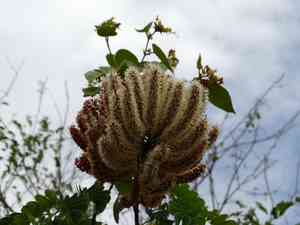
For callcard vine, the period spanning from early spring's awakening to the peak of mid-spring is ideal for relocation. Select a location that receives ample illumination and features fertile, adequately draining earth. Although not strictly necessary, carefully loosening constricted roots can facilitate their establishment.
What Preparations are Needed Before Transplanting Callingcard Vine?
What is the Ideal Time for Transplanting Callingcard Vine?
Choosing the spring awakening period, typically from late March through April, is perfect for relocating callingcard vine. This timeframe utilizes the mild warmth and increasing daylight, promoting strong root development and adaptation before the intense summer heat. Moving callingcard vine during this season allows ample time for establishment, ensuring a vibrant and resilient display throughout the year. A friendly reminder: settling callingcard vine into its new spot during this period helps it flourish, leading to lush growth and abundant beauty. Take this step and observe your callingcard vine thrive gracefully with spring's renewal.
How Much Space Should You Leave Between Callingcard Vine Plants?
When moving callingcard vine, aim for a spacing of approximately 15-20 ft (4.6-6.1 m) between them. This provides each plant sufficient room to expand and prevents their extensive vines from becoming entangled as they mature.
What is the Best Soil Mix for Callingcard Vine Transplanting?
Prepare a well-draining soil for your callingcard vine, enriched with organic matter. Before transplanting, incorporate a balanced, slow-release fertilizer to give your callingcard vine a strong start. Ensure the pH is neutral to slightly acidic for optimal growth.
Where Should You Relocate Your Callingcard Vine?
Select a location for your callingcard vine that receives full to partial sunlight. Ideally, choose a spot where the plant will get at least 4-6 hours of sunlight daily. Consider its mature size when picking the location, to prevent future problems.
What Equipments Should You Prepare Before Transplantation Callingcard Vine?
Shovel or Spade
For excavating the callingcard vine and preparing the new planting site.
Gardening Gloves
To safeguard your hands while handling soil and plants.
Watering Can or Hose
To hydrate the callingcard vine before and after its relocation.
Wheelbarrow or Plant Dolly
To move the callingcard vine if it is heavy or difficult to carry.
Secateurs or Pruning Shears
To trim any damaged roots or foliage.
Garden Fork
To loosen the soil around the roots during extraction.
Tape Measure
To ensure the transplant hole is the correct dimensions.
How Do You Remove Callingcard Vine from the Soil?
How Do You Remove Callingcard Vine from the Soil?
From Ground: First, water the callingcard vine plant to moisten the soil, making it easier to work with. Then, using a shovel or garden fork, carefully dig a wide circle around the plant, going deep enough to include the entire root ball. Gently work beneath the root ball and lift the plant from the ground.From Pot: Begin by watering the soil in the container. Gently tilt the pot sideways and tap the bottom to dislodge the callingcard vine. Slide the root ball out, being careful not to pull on the stems or leaves.From Seedling Tray: Water the seedling tray to soften the soil. Use a spoon or small tool to carefully lift the callingcard vine from its cell without excessively disturbing the roots. Hold the plant by its leaves rather than its delicate stem.
Step-by-Step Guide for Transplanting Callingcard Vine
Prepare the New Site
Dig a hole in the ground that is twice as wide and the same depth as the root ball. Loosen the soil at the bottom of the hole with a garden fork.
Inspect the Root Ball
Examine the root ball of callingcard vine for any signs of circling or girdled roots and prune if necessary to encourage outward growth.
Positioning
Place the callingcard vine in the center of the hole, ensuring it's at the same depth it was growing previously. The top of the root ball should be level with the surrounding soil surface.
Backfill
Carefully backfill the hole with soil, firming it gently to eliminate air pockets. Don't compact the soil too heavily, as this can impede root growth.
Water Deeply
Water the callingcard vine thoroughly after planting to settle the soil around the roots and provide moisture for growth.
How Do You Care For Callingcard Vine After Transplanting?
Watering
Water the callingcard vine regularly to maintain consistent moisture. Reduce frequency as the plant establishes but don't let the soil dry out completely.
Mulching
Apply mulch around the base to conserve moisture, regulate soil temperature, and prevent weed competition. Ensure mulch doesn't touch the stem of the callingcard vine.
Monitoring for Stress
Keep an eye on the callingcard vine for signs of transplant shock, such as wilting or yellowing leaves. Provide shade or wind protection if necessary during the initial acclimation period.
Gradual Acclimation
If moved from a less sunny location, gradually acclimate the callingcard vine to full sun exposure if it has not yet been covered to prevent sunburn.
Troubleshooting Common Issues with Callingcard Vine Transplantation.
Why is early to mid-spring optimal for transplanting callingcard vine?
During early to mid-spring, callingcard vine establishes roots well before summer's heat, ensuring better growth.
What is the best spacing for callingcard vine to ensure healthy growth?
Space callingcard vine 15-20 feet (4.6-6.1 meters) apart to give them ample room to expand and receive sunlight.
How deep should the hole be for transplanting callingcard vine?
Dig a hole twice as wide and the same depth as the root ball to accommodate callingcard vine's growth.
How often should I water callingcard vine after transplanting?
Water callingcard vine deeply after planting, then regularly to keep soil moist but not waterlogged.
How can I tell if my callingcard vine is experiencing transplant shock?
Wilting, discolored, or dropped leaves can indicate transplant shock in callingcard vine. Provide consistent care and time to recover.
Should I use fertilizer when transplanting callingcard vine?
Wait before introducing fertilizer; let callingcard vine settle in for a few weeks post-transplant to avoid root burn.
Why are my callingcard vine's leaves turning yellow post-transplant?
Yellowing leaves may result from overwatering, underwatering, or root damage during transplant of callingcard vine. Adjust care accordingly.
Can I transplant callingcard vine when it's flowering or fruiting?
Avoid transplanting during flowering or fruiting, as it can stress callingcard vine and reduce successful establishment.
What should I do with the roots of callingcard vine when transplanting?
Gently spread out the roots of callingcard vine in the hole to encourage outward growth and avoid root girdling.
Is it necessary to prune callingcard vine when transplanting?
Light pruning can help balance root loss and encourage healthy new growth in callingcard vine.



