How to Prune Callingcard vine?
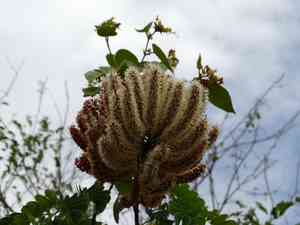
Recognized for its elongated seed vessels and robust development, the callingcard vine thrives with consistent trimming to manage its dimensions and form. Perform pruning during its winter resting phase for the best recuperation. Eliminate deceased or excessively long stems to stimulate vigorous new shoots. Deliberately shortening tendrils will avert excessive intertwining. Trimming improves air circulation and light exposure, which are vital for the plant's well-being. Utilize sanitized, keen implements to lessen trauma and diminish the likelihood of illness.
Advantages of Trimming callingcard vine
Advantages of Trimming callingcard vine
Trimming callingcard vine promotes more robust development and helps maintain its shape, preventing it from spreading excessively into nearby areas. It is crucial for a manageable and visually appealing vine.
Optimal Time for Trimming callingcard vine
Optimal Time for Trimming callingcard vine
Trimming during late winter to early spring, prior to callingcard vine's active growth phase, supports healthy development. This timing allows the vine to recuperate and direct energy towards new shoot growth as temperatures rise. Post-winter pruning ensures the removal of potential cold damage, reducing disease risk. Additionally, since callingcard vine may produce flowers or pods on new growth, pruning at this time maximizes foliage density and ornamental value during the growing season.
Tools Required for Trimming callingcard vine
Hand Pruners
For precise trimming of small branches and twigs of callingcard vine, hand pruners, also known as secateurs, provide clean cuts without causing undue harm to the vine's structure. They are ideal for stems up to half an inch in diameter.
Lopping Shears
For medium-sized branches typically found on mature callingcard vine specimens, lopping shears are the appropriate tool. Their extended handles offer the leverage needed to cut through branches up to 1.5 inches in diameter, while still allowing for accuracy.
Pruning Saw
For larger or woody stems of callingcard vine that are too thick for hand pruners and lopping shears, a pruning saw is essential. This tool enables cutting through dense growth without harming the plant or creating jagged cuts that could lead to disease.
Gloves
While not a cutting tool, wearing gloves is vital when trimming callingcard vine to shield hands from thorns or rough bark during the pruning process. It also ensures a better grip on the tools being used.
Garden Shears
For shaping and managing the spread of callingcard vine, garden shears can be used for quick trims and shaping tasks. They facilitate cutting through soft, leafy branches and maintaining the vine's desired form.
How to Trim callingcard vine
Clean tools
Before beginning, ensure all pruning tools are sterilized to prevent the spread of disease to callingcard vine.
Identify
Locate and mark dead or diseased branches on callingcard vine, as these will be the primary focus of the pruning process.
Cut dead branches
Use sharp pruning shears or a saw to cut dead branches where they meet healthy wood, ensuring cuts are clean and made at a slight angle away from the node.
Remove diseased branches
Carefully remove any diseased branches, cutting well below the affected area to ensure all diseased tissue is eliminated from callingcard vine. Place these in a bag to prevent contamination.
Disinfect
After each cut, especially after removing diseased branches, disinfect the tools to prevent spreading pathogens to other parts of callingcard vine or to other plants.
Common Trimming Errors with callingcard vine
Over-trimming
Removing too much growth at once can stress callingcard vine and impede its natural shape and vigor. Aim to trim no more than one-third of the plant at a time.
Incorrect cut placement
Cutting too far from a node can leave unsightly and unnecessary stubs, while cutting too close can damage the growth nodes. Proper cuts should be made just above the node at a 45-degree angle.
Using dull tools
Dull pruning tools can cause ragged cuts that make callingcard vine more vulnerable to disease and pests.
Neglecting tool sanitation
Failure to clean and sterilize pruning tools can spread pathogens from infected plants to healthy ones during the pruning process.
Ignoring plant health
Trimming without assessing the health of callingcard vine can remove parts essential for its recovery from stress or illness. Always begin by removing dead or diseased branches.
Trimming without a plan
Random or excessive cutting without understanding the growth pattern of callingcard vine can result in a weak structure and poor aesthetic form.
General Trimming Advice for callingcard vine
Selective trimming
Focus on removing only the necessary parts of callingcard vine, such as dead or diseased wood, weak growth, and any branches that are crossing or rubbing against each other, to encourage better air circulation.
Maintaining natural form
Trim to preserve the natural shape of callingcard vine, which promotes a stronger structure and a more attractive plant over time.
Gradual trimming
For significant size reduction or shape alteration, it's best to trim callingcard vine incrementally over a few seasons rather than all at once, to avoid shock and stress.
Sharp clean cuts
Ensure pruning cuts are clean and made at an angle that sheds water away from the bud to promote rapid healing and reduce the risk of disease.
Tool selection
Use the correct type and size of tools (e.g., hand pruners for small branches, loppers for thicker branches) to make the job easier and to achieve cleaner cuts.
Post-trimming care
Following trimming, provide callingcard vine with proper aftercare, such as mulching, watering, and possibly a suitable fertilizer, to support recovery and vigorous new growth.



