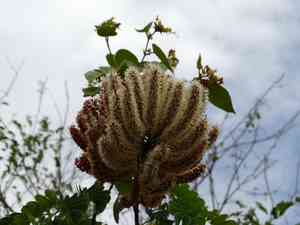
Callingcard vine (Entada polystachya)
Also known as: Monkey-ladder, Stinkbean
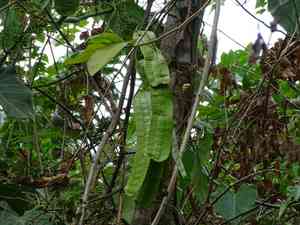
The callingcard vine (Ipomoea lobata) flourishes in warm, tropical environments, where it can take full advantage of abundant sunlight. This vigorous climber features striking, elongated seed pods and delicate leaves. It often uses trees for support, allowing it to reach sunlight and contribute to the lush, layered structure of the rainforest canopy. Well-draining soil and regular moisture are essential for its growth, and it does not tolerate frost.
In This Article
Attributes of Callingcard vine
Lifespan
Perennial
Plant Type
Tree, Vine, Shrub
Plant Height
7 m
Spread
Not applicable for liana (vine forms)
Leaf Color
Bright green
Flower Size
2 cm to 4 cm
Flower Color
White Yellow
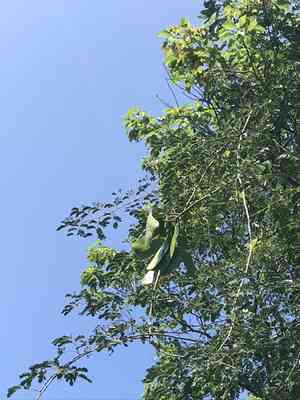
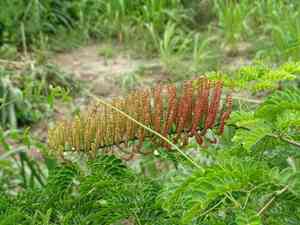
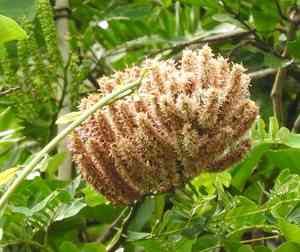
Images of Callingcard vine
Quickly Identify Callingcard vine
1
Identifiable by its large, distinctive, seed pods that contain hard, smooth seeds, and its paired, feather-like leaves.
Scientific Classification of Callingcard vine
Phylum
Vascular plants
Class
Dicotyledons
Order
Fabales
Family
Legume
Genus
Entada
Species
Callingcard vine
Planting and Growing of Callingcard vine
Care Difficulty
Easy
Watering Schedule
Every 2 days
Sunlight Requirements
Full sun
Sunshine Duration
4-8 hours
Ideal Temperature
68-86℉
Soil Type
Potting Mix, Peat Mix
Soil pH
6.5-7.5
Fertilizer Type
Balanced
Pruning Season
Spring, Summer
Pruning Area
Branches, Leaves
Pruning Frequency
2 times a year
Repotting Season
Spring
Pot Type
Plastic, Ceramic
 How to Water Callingcard vine?
Entada polystachya requires careful watering. Ensure each watering session provides around 250 milliliters. The key is to moisten the soil thoroughly, without leaving water pooling at the base. Adequate drainage is essential so the roots are not submerged, which prevents degradation.
What are the symptoms of an underwatered Callingcard vine?
›
What should I do if my Callingcard vine is not getting enough water?
›
What are the symptoms of an overwatered Callingcard vine?
›
How to save an overwatered Callingcard vine?
›
 What Are the Sunlight Requirements for Callingcard vine?
Entada polystachya ideally requires full to partial sun exposure. The optimal lighting encourages healthy growth and flowering, as the plant can efficiently conduct photosynthesis, resulting in vibrant and lush foliage.
What are the ideal lighting conditions for Entada polystachya?
›
How can one achieve ideal lighting conditions for Entada polystachya?
›
What are the benefits of providing ideal lighting conditions?
›
 What Is the Ideal Temperature Range for Callingcard vine?
The ideal temperature range for Entada polystachya is between 68°F and 86°F. Within this range, the plant exhibits robust growth, optimal metabolic processes, and healthy development of foliage. Maintaining environmental conditions within this range ensures that the plant's physiological processes, such as photosynthesis and nutrient absorption, are functioning at peak efficiency. Therefore, gardeners and plant enthusiasts should monitor local temperature conditions to keep the plant in this ideal range for the best results.
 What Soil is Best for Callingcard vine?
Entada polystachya thrives in nutrient-rich soil, which provides the essential minerals and nutrients that the plant needs for robust growth and flowering. The availability of vital nutrients supports the plant's metabolic processes, leading to richer foliage and healthier blossoms. This plant requires well-draining soil to prevent waterlogging, which can lead to root rot. Good drainage ensures that the roots receive adequate oxygen and reduces the risk of fungal diseases, thus promoting strong root development and plant vitality. While Entada polystachya needs well-draining soil, it also benefits from a soil type that can retain some moisture. Consistent moisture supports the plant's hydration needs without causing sogginess, making the balance essential for its growth.
 How to Fertilize Callingcard vine?
Entada polystachya requires moderate fertilization to support its growth and health. Utilize a balanced 10-10-10 NPK fertilizer. Use liquid fertilizers in a diluted form to prevent root burn. A typical rate is about ¼ to ½ teaspoon per gallon of water for liquid fertilizer. Slow-release fertilizers should follow package instructions, typically 1 to 2 tablespoons per plant, depending on the size of the plant.
 How to Prune Callingcard vine?
Inspect the plant for pests before pruning, as infested areas might require special attention. Handling these issues early prevents them from spreading. While regular pruning is beneficial, be cautious not to remove more than a third of the plant at once. Over-pruning can stress the plant and potentially stunt its growth.
More About Pruning Techniques→
 How to Propagate Callingcard vine plant?
1
Begin by filling a seed tray with a well-draining potting mix. Ensure the soil is moist but not waterlogged. This sets a good foundation for seed germination.
2
Sow the seeds evenly in the tray, covering them lightly with soil. Ensure that the seeds have proper spacing to allow each one to develop fully.
3
Select a healthy parent plant and use pruning shears to cut 4-6 inch sections from non-flowering stems. Ensure you have several nodes on each cutting to promote root growth.
 How to Repot Callingcard vine plant?
1
Signs that Entada polystachya needs repotting include roots growing through drainage holes or a slowed growth rate. Early spring or summer is the best time to repot, as the plant is entering its active growth phase, allowing it to recover and establish in the new pot.
2
Select a pot that is one size larger than the current pot. Ensure it has proper drainage holes to prevent waterlogging, which can harm the roots. This will promote healthy growth, giving the roots space to expand while maintaining good aeration.
3
A well-draining loamy mix is essential for Entada polystachya. The soil should retain some moisture but also allow excess to drain away, preventing root rot. Incorporating perlite or sand can improve drainage and aeration, creating an ideal environment for root health.
Learn More About Callingcard vine Diseases
Anthracnose
Bacterial Leaf Spot
Bacterial Wilt
Crown Gall
Cyst Nematode
Damping-off
Downy Mildew
Drought Stress
Fusarium Wilt
Gray Mold
Leaf Curl
Leaf Spot
Mosaic
Nutrient Deficiency
Nutrient Toxicity
Powdery Mildew
Root Rot
Root-knot Nematode
Rusts
Sooty Mold
Spider Mites
Temperature Stress
Thrips Damage
White Mold



