How to Transplant Hairy wild rye?
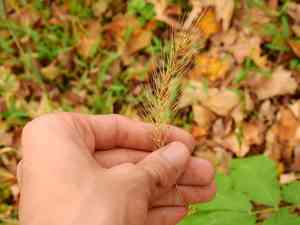
Hairy wild rye flourishes when relocated from the beginning to the end of spring, coinciding with its vigorous growth period. Choose a spot that receives full sun or partial shade and has soil that drains effectively. To achieve optimal outcomes, verify that the chosen site is devoid of aggressive weeds.
What Preparations are Needed Before Transplanting Hairy Wild Rye?
What is the Ideal Time for Transplanting Hairy Wild Rye?
The best period for relocating hairy wild rye, a perennial, is from early to late spring. During this time, the ground warms, encouraging root growth. Moving it then ensures hairy wild rye establishes well before summer's heat. Milder temperatures and increased moisture in spring boost the plant's survival and strength, leading to vigorous development.
How Much Space Should You Leave Between Hairy Wild Rye Plants?
Position each hairy wild rye plant 12-18 inches (30-45 cm) apart to allow ample room for development. This spacing promotes good air circulation and minimizes disease risk.
What is the Best Soil Mix for Hairy Wild Rye Transplanting?
Prepare well-draining soil enriched with organic compost for hairy wild rye. Ensure the soil is loamy or sandy with a slightly acidic to neutral pH (6.0-7.0). Incorporate a balanced base fertilizer, such as a 10-10-10 NPK blend, to supply essential nutrients for healthy growth.
Where Should You Relocate Your Hairy Wild Rye?
Hairy wild rye thrives in full sun to partial shade. Select a spot that receives at least 4-6 hours of daily sunlight. Confirm the location isn't prone to waterlogging, as this plant prefers slightly dry to moderate moisture levels.
What Equipments Should You Prepare Before Transplantation Hairy Wild Rye?
Gardening Gloves
To safeguard your hands while handling soil and plants.
Hand Trowel
For excavating small holes and gently extracting the plant from its container or tray.
Shovel or Spade
To dig an appropriate hole in the ground for the plant.
Wheelbarrow
To transport soil and compost or to move the plant if necessary.
Watering Can or Hose
For hydrating the plant both prior to and following transplantation.
Compost or Organic Matter
To enrich the soil in the new planting area.
How Do You Remove Hairy Wild Rye from the Soil?
How Do You Remove Hairy Wild Rye from the Soil?
From Ground: First, moisten the hairy wild rye plant to soften the soil. Then, excavate a wide trench around the plant using a shovel or spade, ensuring the plant's root ball remains intact. Carefully work the spade beneath the root ball to lift the plant from its original spot.From Pot: Water the hairy wild rye plant thoroughly to facilitate removal. Gently tilt the pot on its side and tap the bottom to release the plant. If the plant is stuck, use a knife to carefully separate the soil from the pot edges. Hold the plant at its base and gently lift it out.From Seedling Tray: Water the seedling tray thoroughly. Use a hand trowel or a small stick to gently loosen the soil around the seedling. Hold the base of the hairy wild rye seedling and lift it, keeping as much soil around the roots as possible.
Step-by-Step Guide for Transplanting Hairy Wild Rye
Prepare the New Location
Ensure the new planting site has been prepared with well-loosened soil enriched with compost or organic matter. The hole should be twice as wide and the same depth as the root ball of your hairy wild rye plant.
Check Root Health
Examine the roots of the hairy wild rye plant for any damage or decay. Trim any unhealthy roots with clean shears to encourage vigorous growth.
Place the Plant
Gently position the hairy wild rye plant in the center of the hole. Place it so that the top of the root ball is level with the surrounding ground.
Fill the Hole
Carefully backfill the hole around the root ball with soil. Lightly press down the soil to remove air pockets, but avoid excessive compaction.
Water Thoroughly
Water the hairy wild rye plant thoroughly immediately after transplanting to help the soil settle and support the roots.
How Do You Care For Hairy Wild Rye After Transplanting?
Watering
Keep the soil around the hairy wild rye consistently moist, but not waterlogged, for the initial weeks post-transplant to aid in strong root establishment.
Mulching
Apply a layer of mulch around the base of the hairy wild rye plant to retain moisture, regulate soil temperature, and suppress weeds.
Monitoring
Observe the transplanted hairy wild rye plant for indications of stress such as wilting or yellowing leaves. Provide additional water or shade if necessary.
Fertilizing
Avoid fertilizing immediately after transplanting as it can cause root burn. Wait until the hairy wild rye plant shows signs of new growth before applying a balanced fertilizer.
Troubleshooting Common Issues with Hairy Wild Rye Transplantation.
When is the best time to transplant hairy wild rye?
Early to late spring is optimal for transplanting hairy wild rye for the best outcomes.
How much spacing should I allow between each hairy wild rye?
Maintain a distance of 12-18 inches (30-45 cm) between each hairy wild rye to ensure proper development.
Why are my transplanted hairy wild rye wilting?
Wilting may occur due to insufficient watering. Ensure the soil is consistently moist after transplanting.
How do I prepare the soil for transplanting hairy wild rye?
Use well-draining soil and mix in compost to provide nutrients for hairy wild rye before transplanting.
What if the roots are damaged during transplanting hairy wild rye?
Trim any damaged roots and transplant quickly to reduce stress, then water sufficiently.
How should I water hairy wild rye after transplanting?
Water deeply immediately after transplanting and keep the soil consistently moist without overwatering.
Can hairy wild rye be transplanted in late fall?
It's best to avoid late fall as hairy wild rye wonât have enough time to establish before winter.
What to do if hairy wild rye shows slow growth after transplanting?
Ensure hairy wild rye gets enough sunlight and nutrients. Consider using a balanced fertilizer if needed.
How much sunlight does hairy wild rye need after transplanting?
Provide full to partial sunlight to help hairy wild rye establish better in its new location.
Why is my transplanted hairy wild rye turning yellow?
Yellowing can be a sign of overwatering or poor soil drainage. Adjust watering practices accordingly.



