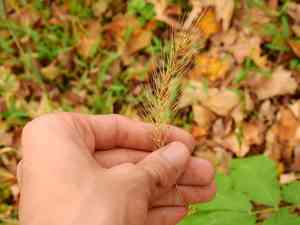
Hairy wild rye (Elymus villosus)
Also known as: Silky Wild Rye
Hairy wild rye (Elymus villosus) is indigenous to the eastern United States and commonly inhabits deciduous forests, forest margins, and shaded areas with fertile, well-drained soils. Unlike some grasses, its wind-pollinated flowers do not significantly attract insects.
Birds and small mammals rarely consume its seeds, and it is generally not a preferred food source for wildlife. While livestock may graze on its foliage, the bristly seed heads can pose a risk of injury to their mouths and digestive systems. Despite these factors, Hairy wild rye plays a role in maintaining woodland biodiversity by providing cover and habitat for various ground-dwelling species.
In This Article
Attributes of Hairy wild rye
Lifespan
Perennial
Plant Type
Grass
Plant Height
41 cm to 1.02 m
Spread
30 cm
Leaf Color
Bluish-green
Flower Size
8 cm to 10 cm
Flower Color
White Green Brown
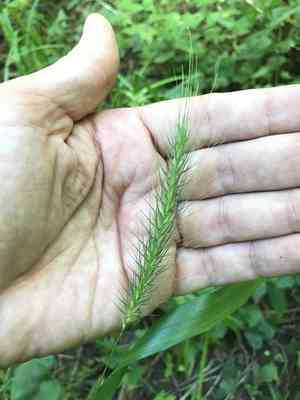
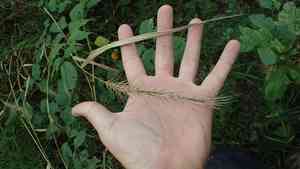
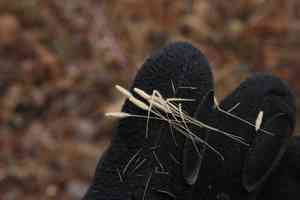
Images of Hairy wild rye
Quickly Identify Hairy wild rye
1
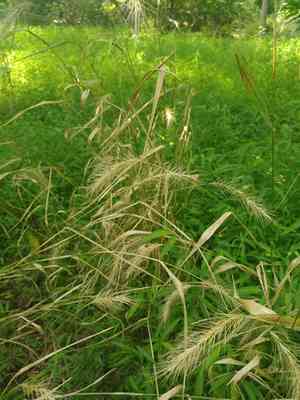
Elymus villosus can be identified by its silky, hairy leaf sheaths and soft, nodding seed heads. The plant often features a bluish-green color and can reach heights of up to 1.5 meters. Look for its dense, tufted growth pattern in dry, open woods or slopes.
Scientific Classification of Hairy wild rye
Phylum
Vascular plants
Class
Monocotyledons
Order
Poales
Family
Grass
Genus
Couch grasses
Species
Hairy wild rye
Planting and Growing of Hairy wild rye
Care Difficulty
Easy
Watering Schedule
Every 2 days
Sunlight Requirements
Partial sun
Sunshine Duration
6-12 hours
Ideal Temperature
65-75℉
Soil Type
Potting Mix, Peat Mix
Soil pH
6.5-7.5
Fertilizer Type
Balanced
Pruning Season
Spring, Summer
Pruning Area
Branches, Leaves
Pruning Frequency
2 times a year
Repotting Season
Spring
Pot Type
Plastic, Ceramic
 How to Water Hairy wild rye?
When watering Elymus villosus, aim to provide around 500 ml of water per session. This amount ensures the soil is adequately moist yet not soggy. Watering should sufficiently reach the plant's root zone without leaving standing water. It's crucial to allow water to drain properly, reflecting the plant's natural preference for well-drained environments. Adjust based on soil dryness and weather conditions.
What are the symptoms of an underwatered Hairy wild rye?
›
What should I do if my Hairy wild rye is not getting enough water?
›
What are the symptoms of an overwatered Hairy wild rye?
›
How to save an overwatered Hairy wild rye?
›
 What Are the Sunlight Requirements for Hairy wild rye?
Partial sun with 4-6 hours of light daily is ideal for Elymus villosus. Providing this allows adequate energy conversion, promoting robust foliage and healthy seed heads, essential for its growth and resilience.
What is the preferred lighting condition?
›
How do I provide ideal lighting solutions?
›
What are the benefits of ideal lighting conditions?
›
 What Is the Ideal Temperature Range for Hairy wild rye?
The ideal temperature range for Elymus villosus, commonly known as the 'hairy wild rye,' is between 65°F and 75°F. This range ensures optimum growth and development, providing the necessary warmth for metabolic processes while avoiding heat stress that can occur at higher temperatures.
 What Soil is Best for Hairy wild rye?
Elymus villosus thrives best in well-drained soil to prevent waterlogging, which can lead to root rot. This characteristic allows the plant roots to breathe and ensures nutrients are adequately absorbed, promoting robust growth. This plant prefers soil with moderate fertility, rich enough to support its nutritional needs but not overly fertile, which could result in excessive foliage growth and weaker stems. Well-balanced soil fertility helps maintain a healthy plant structure and aids in adequate flowering. While Elymus villosus doesn't thrive in consistently wet soil, it benefits from soil that can retain sufficient moisture without becoming soggy. This balance helps the plant during dry spells, ensuring continuous access to water and reducing stress.
 How to Fertilize Hairy wild rye?
Elymus villosus is a native grass with modest nutrient requirements. When applying fertilizer, use a balanced, all-purpose fertilizer with a nitrogen-phosphorus-potassium ratio of about 10-10-10 or similar. Apply liquid fertilizer at a rate of 1/4 to 1/2 teaspoon per gallon of water to ensure healthy growth without prompting excessive leafiness.
 How to Prune Hairy wild rye?
Begin by using sharp garden shears to cut back the Elymus villosus, aiming to remove about one-third of its height. Focus on cutting just above the nodes, where new shoots are emerging. This encourages bushier growth and better air circulation. Be careful not to prune too deeply into the crown to avoid damaging the plant’s base. In spring, remove dead or damaged stems to rejuvenate the plant after winter's dormancy. For summer pruning, focus on thinning out crowded areas to boost air circulation and minimize the risk of fungal diseases. This seasonal approach will maintain the grass’s vigor and appearance throughout its growing phases.
More About Pruning Techniques→
 How to Propagate Hairy wild rye plant?
1
Elymus villosus seeds should be collected in the late summer when the seed heads have dried out. Gently shaking the seeds free ensures they are fully ripe and ready for planting.
2
Prepare a nursery bed by breaking up the soil to a fine tilth. This will help the seeds establish better by providing a fine medium to embed the seeds and retain moisture.
3
For division, dig up the plant clumps in early spring. Separate the clumps into smaller sections ensuring each has a healthy root system. Replant immediately to ensure root establishment.
 How to Repot Hairy wild rye plant?
1
Look for signs such as the plant becoming root-bound, where roots are visibly protruding from the drainage holes, or if the soil dries out very quickly after watering. These indicators suggest it's time for a new pot to facilitate healthier growth of your Elymus villosus.
2
Opt for a pot that is approximately 1-2 inches larger in diameter than the current one. Choosing an appropriately sized pot ensures that the plant has enough room to grow without being overwhelmed by excess soil, which can contribute to water retention issues.
3
Select a well-draining potting mix which can mimic its natural habitat. Incorporating materials like sand or perlite is essential as it helps prevent root rot by allowing excess water to drain away, keeping the roots healthy and oxygenated.



