How to Prune Hairy wild rye?
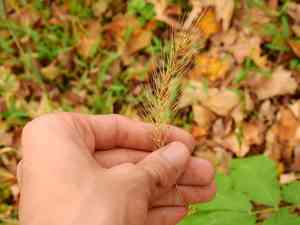
Hairy wild rye, a perennial grass characterized by its hirsute leaves and upright stalks, flourishes across various habitats. The most effective time for trimming hairy wild rye is in early spring or during the winter, focusing on removing deceased or superfluous foliage to encourage robust development and adequate air movement. This tidying process also contributes to the plant's visual attractiveness and deters ailments. Consistent trimming guarantees energetic regeneration, boosting both the well-being and aesthetic quality of hairy wild rye.
Advantages of Trimming Hairy Wild Rye
Advantages of Trimming Hairy Wild Rye
Trimming hairy wild rye encourages robust development and helps maintain its desired form. Consistent cutting manages size, improves plant architecture, and boosts the overall health of hairy wild rye, making it more resistant to environmental pressures.
Optimal Time for Trimming Hairy Wild Rye
Optimal Time for Trimming Hairy Wild Rye
Trimming hairy wild rye in early spring and winter aligns with its dormant growth phase, minimizing stress and sap loss. During winter, the plant's growth slows, allowing for easier shape maintenance and healthier revitalization without jeopardizing its vitality. Early spring pruning, just before new growth begins, helps remove any dead or damaged foliage accumulated over winter, thus promoting strong new growth and ensuring the plant remains vigorous and productive. These periods avoid the flowering season, ensuring the plant's energy is directed towards developing strong roots and leaves rather than supporting blooms, which is vital for the health and longevity of hairy wild rye.
Tools Required for Trimming Hairy Wild Rye
Hand Pruners
Perfect for cutting back dead or overgrown stems of hairy wild rye, as this plant has stalks that are easily managed with hand pruners. The tool offers precision and minimizes plant damage.
Grass Shears
Suitable for shaping and trimming the edges of hairy wild rye, especially when it's part of a natural garden border. Grass shears allow for straight, clean cuts, enhancing the plant's look and encouraging healthy growth.
Garden Scissors
Useful for the detailed refinement of hairy wild rye's appearance, particularly for removing unhealthy or unattractive foliage. The smaller blades provide close access to dense clusters without harming adjacent plants.
How to Trim Hairy Wild Rye
Identify
Locate and examine diseased and withered leaves on hairy wild rye. This step involves carefully inspecting the plant to find any leaves showing signs of illness like discoloration, spots, or unusual textures.
Sanitize
Disinfect your pruning tools before making cuts. Use a solution of one part bleach to nine parts water to clean scissors or shears. This prevents the spread of disease between plants during trimming.
Cut
Carefully remove the affected leaves at their base, close to the stem of hairy wild rye. Ensure clean cuts to avoid tearing, which can cause additional stress or injury to the plant.
Dispose
Properly discard the removed leaves. Diseased or withered leaves should be thrown away in the trash or burned if permitted, not composted, as they can harbor pathogens or pests that might spread.
Monitor
Observe hairy wild rye after trimming for signs of further health issues or recovery. Regularly check the plant to ensure new growth is healthy and free from signs of disease or wilting.
Common Trimming Errors with Hairy Wild Rye
Over-trimming
New gardeners often make the error of over-trimming hairy wild rye, which can result in weakened plants. Removing too much foliage at once can stress the plant, reducing its vigor and ability to thrive.
Incorrect cut placements
Cutting too far from the bud or node can create unsightly stubs that may not heal properly, while cutting too close might harm the bud itself. Both mistakes can lead to disease entry and poor hairy wild rye regrowth.
Neglecting plant structure
Given hairy wild rye's natural tendency to grow in clumps, ignoring the overall plant structure during trimming can lead to uneven growth and compromised aesthetics. It's essential to consider the plant's shape and health as a whole.
General Trimming Advice for Hairy Wild Rye
Use sharp tools
Always use sharp, clean pruning shears or scissors. Dull or dirty tools can damage the stems of hairy wild rye, leading to frayed cuts that heal poorly and increase susceptibility to disease.
Focus on dead or diseased growth
Concentrate on removing dead, diseased, or overgrown stems to encourage healthy growth and airflow within the plant. This helps maintain the vigor of hairy wild rye and facilitates more robust growth patterns.
Trim for structural integrity
By carefully trimming hairy wild rye to maintain its natural clumping form, gardeners can enhance both the plant's aesthetic appeal and its structural integrity. This preventative maintenance helps avoid issues like stem breakage or excessive leaning.



