How to Transplant Wheatgrass?
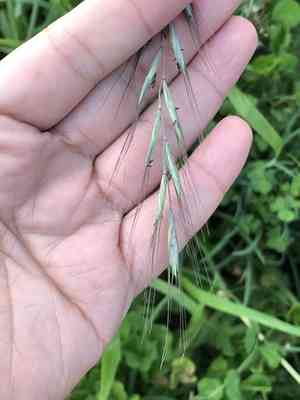
Relocate wheatgrass when the ground is mildly warm or during the fall season to encourage robust root development. Position it in a brightly lit area with soil that drains effectively, and if necessary, enrich the soil with compost for superior growth.
What Preparations are Needed Before Transplanting Wheatgrass?
What is the Ideal Time for Transplanting Wheatgrass?
For wheatgrass, the perfect period to move its roots to new ground is during the gentle breezes of late spring or the crisp, invigorating air of mid-autumn. These balanced seasons avoid extremes, providing a supportive environment for wheatgrass to flourish after transplanting. During these times, mild temperatures and adequate moisture levels encourage strong root development, crucial for wheatgrass's vitality and growth. A smooth transition into warmth or embracing the cool relief before winter allows wheatgrass to establish and grow optimally.
How Much Space Should You Leave Between Wheatgrass Plants?
For wheatgrass, ensure each plant has ample room to thrive. Ideally, position the plants approximately 18-24 inches (45-60 cm) apart. This helps prevent competition and encourages robust development.
What is the Best Soil Mix for Wheatgrass Transplanting?
Wheatgrass thrives in rich, well-draining soil. Prepare your planting area by incorporating organic compost or a slow-release fertilizer. This will provide your plants with the necessary nutrients for a strong start.
Where Should You Relocate Your Wheatgrass?
Select a spot that receives full sun to partial shade for your wheatgrass. It enjoys sunlight but can also tolerate some shade. Find the optimal balance in your garden for these conditions.
What Equipments Should You Prepare Before Transplantation Wheatgrass?
Gardening Gloves
To safeguard your hands while handling soil and plants.
Shovel or Spade
For excavating the wheatgrass plant and preparing the new location.
Garden Fork
To loosen the soil surrounding the root ball.
Hand Trowel
For more precise tasks and minor adjustments during planting.
Watering Can or Hose
For hydrating the plant before and after relocation.
Wheelbarrow or Garden Cart
To move the wheatgrass plant and soil.
Pruning Shears
To trim any damaged roots or leaves.
Organic Mulch
To help maintain soil moisture and suppress weeds around the newly planted area.
Measuring Tape
To correctly space the plants according to their mature size.
How Do You Remove Wheatgrass from the Soil?
How Do You Remove Wheatgrass from the Soil?
From Ground: Hydrate the wheatgrass plant to moisten the soil. Using a shovel or spade, dig a wide trench around the plant, being careful not to harm the root ball. Gently maneuver the tool beneath the root ball, and lift the plant from its original spot.From Pot: Thoroughly water the wheatgrass in its container to make the root ball damp and easier to extract. Hold the plant's base gently and turn the pot sideways, then tap or press on the pot to dislodge the plant. If needed, run a hand trowel along the pot's inner edge to help separate the plant from the container.From Seedling Tray: Water the seedlings to ensure the soil is damp. Use a hand trowel or a spoon to carefully scoop out each wheatgrass seedling without disturbing adjacent plants. Make sure to include as much of the root system as possible.
Step-by-Step Guide for Transplanting Wheatgrass
Preparation
Ensure all necessary tools are readily available. Water your wheatgrass plant the day prior to transplanting to minimize stress and hydrate its roots.
Root Ball
Carefully extract the wheatgrass from its current spot with minimal disturbance to its roots. If the root ball is large, you might need assistance carrying it.
Transportation
Utilize the wheelbarrow or garden cart to move the plant and any required soil amendments to the transplanting location.
Planting Hole
Dig a hole in the prepared area that is twice as wide and equally as deep as the root ball. If transplanting multiple wheatgrass, ensure they are spaced adequately to accommodate their mature size.
Placement
Position your wheatgrass plant in the center of the hole. The top of the root ball should be level with the surrounding ground. Backfill the hole with soil, gently firming it down as you proceed.
Watering
Water the wheatgrass thoroughly after planting to settle the soil and eliminate air pockets. Avoid excessive watering, which could lead to root rot.
Mulching
Apply organic mulch around the plant, leaving some space around the stem to prevent rot and maintain soil moisture.
How Do You Care For Wheatgrass After Transplanting?
Monitoring
Regularly inspect your wheatgrass plant for indications of stress or illness. It may take some time for the plant to become established.
Watering
Keep the soil around your wheatgrass moist for the initial few weeks following transplanting. Adjust based on weather conditions, ensuring not to overwater.
Mulching
Maintain a layer of organic mulch around the plant to help retain soil moisture and regulate soil temperature.
Pruning
Remove any dead or damaged foliage to help your wheatgrass prioritize establishing new growth.
Troubleshooting Common Issues with Wheatgrass Transplantation.
When is the best time to transplant wheatgrass?
The optimal period to relocate wheatgrass is during the mild warmth of late spring to early summer or in the cool mid-fall to late fall.
How far apart should I space wheatgrass when transplanting?
For ideal growth, ensure a gap of 18-24 inches (45-60 cm) between each wheatgrass plant.
Why is my wheatgrass wilting after transplanting?
Wilting can occur due to transplant shock. Ensure the soil is moist and plants are shaded for a few days post-transplant.
Can I transplant wheatgrass during the summer heat?
Transplanting wheatgrass in peak summer can stress the plant. Adhere to cooler late spring, early summer, or mid-fall periods.
Should the soil be fertilized before transplanting wheatgrass?
Yes, enriching the soil with compost or a balanced fertilizer can give wheatgrass a healthy start in its new location.
What should I do if wheatgrass doesn't flourish post-transplant?
Ensure wheatgrass receives adequate sunlight, proper watering, and no root crowding. Also, check for signs of disease or pests.
How deep should I plant wheatgrass's root ball?
The root ball of wheatgrass should be level with the soil surface, allowing for natural soil settling without burying the crown.
How much water does wheatgrass need after transplanting?
Water wheatgrass generously after transplanting to settle the soil around its roots, then maintain consistent moisture without waterlogging.
How can I protect wheatgrass from transplant stress?
Minimizing root disturbance and maintaining soil moisture are crucial. A shade cloth can help reduce stress during the initial week.
Is it necessary to prune wheatgrass during transplanting?
Light pruning can help alleviate transplant stress by balancing root loss and the top growth of wheatgrass.



