How to Prune Wheatgrass?
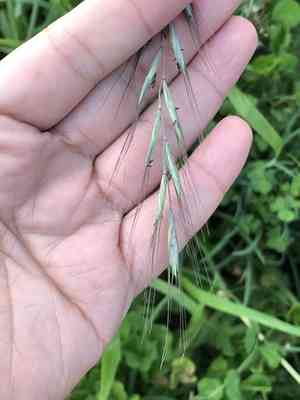
Perfect for decorative purposes and ground stabilization, wheatgrass needs to be trimmed to stimulate robust fresh development. Perform a substantial cut in early spring prior to the appearance of new sprouts, or a gentle trim in winter to preserve its form and deter self-seeding. Consistent shearing manages its stature and fosters thicker leaves, boosting its aesthetic value and resilience. Prompt trimming additionally averts excessive growth and diminishes the likelihood of infestations and illnesses.
Advantages of Trimming Wheatgrass
Advantages of Trimming Wheatgrass
Trimming wheatgrass promotes robust development and helps maintain its form. Deliberate cuts can revitalize wheatgrass, fostering a more vigorous and well-structured plant.
Optimal Time for Trimming Wheatgrass
Optimal Time for Trimming Wheatgrass
Trimming wheatgrass in early spring is ideal as it prepares the plant for new growth. This period, just before the active growing season, allows the plant to recover quickly and direct energy into producing fresh, healthy shoots. Late winter is also a suitable time for trimming, specifically when the plant is dormant. This timing helps prevent potential frost damage to new growth and minimizes the risk of disease transmission through pruning cuts. Trimming during dormancy also allows gardeners to better assess the plant's structure since the foliage is reduced.
Tools Required for Trimming Wheatgrass
Hand Pruners
Perfect for cutting through the relatively thin blades of wheatgrass, hand pruners offer precision and are easy to handle for shaping and removing dead foliage.
Grass Shears
Specifically designed for trimming grass and finer foliage, grass shears are well-suited for the delicate leaves of wheatgrass, allowing for more controlled and even trimming of the grass blades.
Hedge Shears
If wheatgrass is grown in larger patches, hedge shears can be used for quicker, more extensive cuts, especially useful for shaping and maintaining evenness across the plant's surface.
Handheld Lawn Edger
For defining borders around wheatgrass plantings, a handheld lawn edger can neatly trim and shape edges with minimal damage to the root structure.
How to Trim Wheatgrass
Clean tools
Sanitize pruning shears with isopropyl alcohol or a bleach solution to prevent the spread of disease when trimming wheatgrass.
Identify
Inspect wheatgrass thoroughly to identify diseased or withered leaves that require removal.
Cut diseased leaves
Use the shears to make a clean cut to remove diseased leaves. Make the cut at the base of the leaf where it attaches to the stem, being careful not to damage nearby healthy tissue.
Remove withered leaves
Trim any withered leaves by cutting them where they meet healthy tissue or at the base, depending on the extent of the withering.
Dispose
Dispose of diseased and withered leaves properly, away from healthy plants, to prevent the potential spread of pathogens.
Common Trimming Errors with Wheatgrass
Over-trimming
Removing too much foliage from wheatgrass at once can stress the plant and hinder its growth. It's essential to trim only what is necessary for shaping and removing dead or unhealthy parts.
Inadequate tool care
Using dull or dirty tools can damage the stems of wheatgrass, leading to poor healing and possibly disease entrance. Ensure tools are sharp and clean before trimming.
Ignoring plant shape
Trimming without consideration of wheatgrass's natural growth pattern can result in a less aesthetically pleasing shape and may harm the plant's overall health.
Neglecting damaged areas
Failing to remove diseased or damaged areas can allow problems to spread throughout wheatgrass, impacting its vitality and appearance.
Trimming too short
Cutting stems too short might remove growth nodes, which are essential for wheatgrass's rejuvenation and regrowth, potentially leading to reduced hardiness and vigor.
Disregarding plant health
Trimming without assessing the health state of wheatgrass might cause undue stress to the plant, especially if it is already weakened by pests or environmental factors.
Common Trimming Tips for Wheatgrass
Health evaluation
Before trimming, evaluate the overall health of wheatgrass to identify which parts need removal and which should be left to promote healthy growth.
Selective trimming
Thin out crowded areas to allow sunlight and air to reach the inner sections of wheatgrass, which promotes healthier foliage and reduces the risk of disease.
Cut angle
Make angled cuts just above a node or a bud to encourage new growth in a specific direction while preventing water accumulation on the cut surface, which could lead to rot.
Incremental trimming
Trim wheatgrass incrementally, especially when shaping is desired, to avoid excessive removal of foliage, which can stress the plant.
Deadheading
Regularly remove spent blooms to stimulate wheatgrass to produce new flowers, enhancing its overall flowering performance.
Post-trimming care
After trimming wheatgrass, provide adequate water and, if necessary, a balanced fertilizer to support recovery and growth.
Hygiene practices
Sanitize tools before and after trimming wheatgrass to prevent the spread of disease between plants and ensure clean cuts for rapid healing.



