How to Transplant Longclaw orchid?
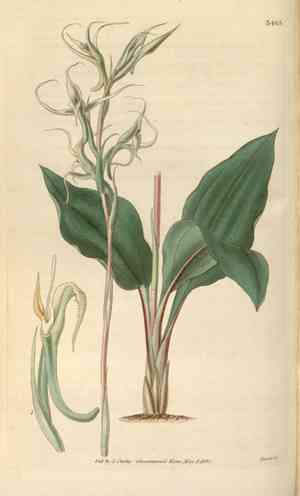
The optimal period for relocating Longclaw orchid is from the beginning to the end of winter, enabling it to settle prior to its spring development. Select a bright, protected spot that offers excellent water runoff. Sustaining adequate soil hydration during this phase is vital for a successful transfer.
Essential Preparations Before Relocating Longclaw Orchid?
Optimal Period for Relocating Longclaw Orchid?
The best time for moving longclaw orchid is from the start to the end of winter. Relocating during this timeframe allows the plant to establish its root system before the spring growth period. This timing minimizes stress and encourages more robust development. It's advantageous due to the plant's dormant state, reducing transplant shock and ensuring a smoother transition and strong growth.
Recommended Spacing Between Longclaw Orchid Plants?
When moving your longclaw orchid, aim to position each plant 6-12 inches (15-30 cm) apart. This provides ample room for each plant to thrive without competing with its neighbors.
Ideal Soil Mixture for Longclaw Orchid Relocation?
Prepare a well-draining soil, such as a sandy loam blend or a specialized orchid potting mix. Incorporate a foundational fertilizer rich in organic material to give your longclaw orchid a nutritional boost.
Preferred New Location for Your Longclaw Orchid?
Select a spot that receives partial sunlight, ideally with morning sun exposure and afternoon shade. This ensures your longclaw orchid gets sufficient light without being subjected to intense, direct sun throughout the day.
Necessary Equipment for Longclaw Orchid Transplantation?
Gardening Gloves
To safeguard your hands while handling soil and the plant.
Shovel or Spade
For excavating the plant and preparing the new planting area.
Trowel
Useful for precise digging and planting tasks.
Watering Can or Hose
To hydrate the plant before and after its relocation.
Pruning Shears
To trim any damaged or dead roots or foliage.
Bucket or Plant Pot
To temporarily hold the plant if needed.
Mulch
To help maintain soil moisture after the transplant.
Method for Extracting Longclaw Orchid from its Current Location?
Method for Extracting Longclaw Orchid from its Current Location?
From Ground: First, moisten the soil around the longclaw orchid plant. Then, dig a wide trench around the plant using a shovel or spade, ensuring the plant's root ball remains intact. Carefully work the spade beneath the root ball to lift the plant from its original spot.From Pot: Water the longclaw orchid plant thoroughly. Tilt the pot to one side and gently tap the edges to loosen the soil. Slide the plant out, supporting the root ball with your hand to keep it whole.From Seedling Tray: Lightly water the seedlings. Use a trowel or similar tool to gently lift each seedling, ensuring as much of the root system as possible remains intact.
Step-by-Step Guide for Relocating Longclaw Orchid
Site Preparation
Select and prepare the new planting site, ensuring it has good drainage. Dig a hole twice as wide and as deep as the root ball.
Soil Conditioning
Add any necessary amendments to the soil to ensure it meets the specific requirements of longclaw orchid. Mix them thoroughly with the surrounding soil.
Plant Positioning
Place the longclaw orchid plant in the hole, making sure the top of the root ball is level with the ground surface. Gently spread out any tangled roots.
Backfill and Firm
Refill the hole with soil, pressing it down firmly to remove air pockets. Be careful not to harm the roots during this process.
Watering
Thoroughly water the longclaw orchid plant to help settle the soil around its roots.
Mulching
Apply a layer of mulch around the plant to aid in moisture retention and root protection.
Post-Transplant Care for Longclaw Orchid?
Watering
Keep the soil around the longclaw orchid consistently damp, but not waterlogged, for the initial few weeks after transplanting to encourage strong root development.
Monitoring
Observe the plant for any indications of stress, such as wilting or yellowing leaves, and address issues promptly.
Protection
If relocating during an especially hot or cold period, provide temporary shade or shelter from the elements until the plant stabilizes.
Resolving Common Issues with Longclaw Orchid Relocation.
When is the optimal time to move longclaw orchid?
Relocate longclaw orchid from early to late winter for the best outcomes.
What is the ideal spacing for longclaw orchid during relocation?
Space longclaw orchid 6-12 inches (15-30 cm) apart to ensure healthy development.
How should I prepare the soil for longclaw orchid?
Utilize well-draining soil enriched with organic matter to supply nutrients and prevent waterlogging.
Is it advisable to move longclaw orchid during summer?
Avoid relocating longclaw orchid in summer as it may cause plant stress. Winter is preferred.
How to safeguard longclaw orchid roots during relocation?
Handle longclaw orchid roots gently and keep as much soil around them as possible to prevent damage.
What action should I take if longclaw orchid appears wilted after relocation?
Water thoroughly and provide shade until longclaw orchid adapts to its new environment.
At what depth should I plant longclaw orchid?
Plant longclaw orchid at the same depth it was previously growing to avoid stress.
Is pruning longclaw orchid necessary before relocation?
Pruning is not mandatory but can help manage plant size and lessen transplant shock.
How much water does longclaw orchid require after relocation?
Water longclaw orchid thoroughly immediately after relocating, then maintain consistent moisture without overwatering.
Can I apply fertilizer right after relocating longclaw orchid?
Wait 2-4 weeks before fertilizing longclaw orchid to allow the plant to recover from transplant shock.



