How to Prune Longclaw orchid?
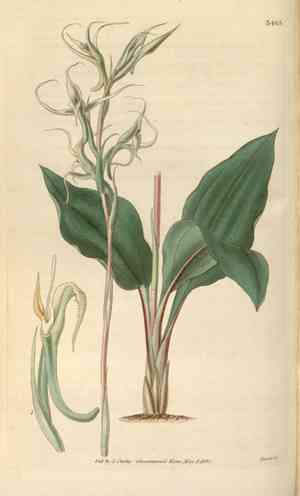
The Longclaw orchid, recognized for its vivid and unique blossoms, needs very little trimming. Essential methods involve eliminating withered or injured foliage and cutting back faded flower stalks to encourage fresh development. The ideal period for this maintenance is in spring, summer, or autumn, coinciding with the plant's vigorous growth phases. Consistent trimming boosts the plant's well-being and bloom capacity by improving air movement and channeling energy into new shoots. Always use sanitized, sharp implements to prevent harm to the plant.
What Are the Benefits of Pruning Longclaw Orchid?
What Are the Benefits of Pruning Longclaw Orchid?
Pruning longclaw orchid encourages robust development and maintains its form. It eliminates dead or diseased sections, lowering disease risk, and stimulates new shoots, resulting in increased flowering. Regular pruning ensures longclaw orchid stays healthy and visually appealing.
What Is the Best Time for Pruning Longclaw Orchid?
What Is the Best Time for Pruning Longclaw Orchid?
The optimal time for pruning or trimming longclaw orchid is during spring, summer, and fall. These periods align well with the plant's growth cycle, minimizing stress and promoting efficient healing. Pruning in spring and early summer fosters vigorous new growth and can enhance bloom production. Late summer to early fall pruning helps shape the plant before it enters dormancy, ensuring strong performance in the subsequent growth cycle.
What Tools Do I Need to Prune Longclaw Orchid?
Hand Pruners
Perfect for precisely removing dead or damaged foliage and stems. Ensures clean cuts that minimize plant harm. Opt for bypass pruners to prevent crushing delicate tissues.
Pruning Shears
Useful for more extensive trimming and shaping, providing even cuts on the plant's softer stems. Choose lightweight shears for easy maneuvering around sensitive areas.
Sterilizing Solution
Crucial for disinfecting tools before and after use to prevent disease transmission. A simple mixture of 70% isopropyl alcohol and water is effective.
Gloves
Protect hands from potential irritants and offer a better grip on tools when handling delicate parts of longclaw orchid. Select nitrile-coated gloves for flexibility and protection.
How to Prune Longclaw Orchid
Clean tools
Sanitize pruning shears or scissors with rubbing alcohol to prevent disease spread.
Remove diseased leaves
Inspect longclaw orchid for any diseased foliage. Cut them off near the base without harming healthy tissue.
Remove withered leaves
Carefully trim away any withered leaves at their base, ensuring not to disturb healthy sections of longclaw orchid.
Cut dead branches
Identify any dead branches on longclaw orchid and use sharp tools to prune them back to the nearest live branch or the main stem.
Remove diseased branches
Examine longclaw orchid for diseased branches. Prune these back to healthy tissue or the main stem, making clean cuts to prevent further damage.
Common Pruning Mistakes with Longclaw Orchid
Over-pruning
A frequent error is removing too much of the plant, which can stress longclaw orchid, leading to poor growth and fewer blooms.
Improper tool use
Using dull or dirty tools can cause damage or introduce pathogens to the plant.
Random cuts
Making arbitrary or uneven cuts instead of strategic ones can harm the plant's structure and hinder its development.
Ignoring plant health
Pruning an already stressed or unhealthy plant can worsen problems and impede recovery.
Common Pruning Tips for Longclaw Orchid
Clean tools
Always use clean, sharp tools to make precise cuts and reduce disease risk.
Cut above nodes
Make cuts just above a node to encourage new growth from that point, ensuring a healthier and fuller plant.
Remove dead parts
Focus on removing dead or damaged parts of longclaw orchid first to allow the plant to direct energy to healthy growth.
Balanced shaping
Aim for a balanced shape by pruning evenly around longclaw orchid, which helps maintain its aesthetic appeal and structural integrity.
Limited pruning
Avoid heavy pruning; instead, perform light and consistent trims to manage size and encourage blossoms without stressing the plant.



