How to Transplant Copperbush?
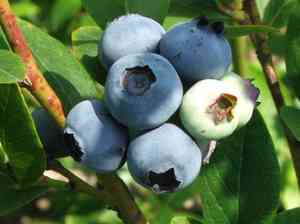
Relocate copperbush during the mild temperatures of late spring, extending into early summerâan ideal window for root development. Select a site with good drainage and ample sunlight, then carefully introduce the roots to their new environment for peak vitality.
Essential Preparations Before Relocating Copperbush?
Optimal Period for Moving Copperbush?
The best time to move your copperbush is from late spring to early summer. This period allows for a smooth transition in its growth cycle. The mild weather during this window provides a supportive environment for copperbush to establish its roots, avoiding the stress of extreme temperatures. Moving copperbush at this point enables it to benefit from longer days and warmer soil, promoting strong development before colder months arrive.
Required Spacing Between Copperbush Plants?
Before you begin, position the planting holes for your copperbush approximately 24-36 inches (61-91 cm) apart. This spacing ensures each plant has sufficient room to grow and thrive, enhancing their appearance in your garden!
Ideal Soil Blend for Copperbush Relocation?
Your copperbush will flourish in well-draining, acidic soil. Prior to planting, incorporate some organic compost and a balanced, slow-release fertilizer to give your copperbush a nourishing start in its new spot!
Recommended Location for Your Copperbush?
Choose a site where your copperbush can enjoy partial shade to full sun. This plant appreciates sunlight but also benefits from some protection during the hottest parts of the day.
Tools to Prepare Before Transplanting Copperbush?
Gardening Gloves
To safeguard your hands while handling soil and plants.
Shovel or Spade
For excavating the plant and preparing the new planting site.
Watering Can or Hose
To thoroughly hydrate the plant before and after its relocation.
Pruning Shears
To trim any damaged roots or foliage.
Wheelbarrow or Garden Cart
To transport the copperbush if it's large or needs to be moved a significant distance.
Mulch
To aid in retaining soil moisture around the newly planted area.
Stakes or Plant Supports
To provide stability to copperbush if needed post-transplant.
Method for Extracting Copperbush from the Ground?
Method for Extracting Copperbush from the Ground?
From Ground: Begin by thoroughly watering the copperbush to soften the soil. Use a shovel or spade to dig around the plant, maintaining a wide perimeter to avoid cutting into the root system. Carefully work your tool beneath the plant to loosen the root ball, then gently lift it from the soil.From Pot: Water the copperbush and let it sit briefly so the root ball becomes firm. Tilt the pot sideways and tap or press on the bottom and sides to dislodge the root ball. Gently ease the plant out by holding the base of the stem and pulling softly.From Seedling Tray: Water the seedlings to moisten the growing medium. Use a small implement, such as a dibber or spoon, to lift the seedling by its leaves, being careful not to harm the delicate stem. If the roots are sufficiently developed, they should emerge with a small clump of soil attached.
Step-by-Step Guide for Relocating Copperbush
Preparation
Choose a cloudy day or late afternoon to minimize transplant shock. Prepare the new planting hole before moving the copperbush, making it twice the width of the root ball and equally deep.
Root Ball Care
Once copperbush is removed, examine the root ball. Trim any damaged or excessively long roots. If the roots were circling in its previous container, gently untangle them before planting.
Planting
Position the copperbush in the center of the hole. The top of the root ball should be level with the ground surface. Backfill the hole with soil, gently firming it around the base to eliminate air pockets.
Watering In
Immediately after planting, water the copperbush generously to settle the soil and hydrate the roots. Water slowly to allow maximum absorption by the soil and to prevent runoff.
Stabilizing
If copperbush is tall or top-heavy, insert stakes around the planting area and gently secure the plant with soft ties to provide support and prevent wind damage.
Post-Transplant Care for Copperbush?
Monitoring
Inspect the copperbush daily to ensure the soil remains moist and to detect any signs of stress.
Mulching
Apply a layer of mulch around the base to conserve moisture and regulate soil temperature.
Staking
Regularly check plant supports to confirm their effectiveness and ensure they are not harming the copperbush. Adjust as needed.
Pruning
Remove any dead or damaged foliage to direct the copperbush's energy towards root establishment.
Resolving Common Issues with Copperbush Relocation.
When is the best time to move copperbush?
Relocate copperbush during late spring to early summer when the soil is warm and manageable.
What spacing is needed for copperbush when transplanting?
Allow each copperbush approximately 24-36 inches (61-91 cm) of space for ample growth.
How deep should the hole be for moving copperbush?
Excavate a hole that is twice as wide and as deep as the root ball of copperbush.
Should I enrich the soil when relocating copperbush?
Yes, blend compost with the existing soil to enhance nutrient content and drainage for copperbush.
How do I ensure copperbush roots establish after transplanting?
Water thoroughly immediately after transplanting, and keep the soil consistently moist for several weeks.
What indicates copperbush is struggling after transplanting?
Yellowing leaves, wilting, or lack of growth can signal distress. Verify proper watering and soil conditions.
Can copperbush be moved on overcast days?
Overcast, cooler days are ideal for relocating copperbush to minimize transplant shock and water loss.
How should I handle the roots of copperbush when transplanting?
Gently untangle the roots and spread them in the hole to encourage outward growth.
How can I protect copperbush after transplanting?
Apply mulch around the base with organic material to retain moisture and regulate soil temperature.
When should I first fertilize copperbush after transplanting?
Wait 4-6 weeks to fertilize copperbush to prevent root burn while they are establishing in the new location.



