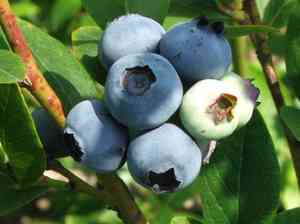
Copperbush (Elliottia pyroliflora)
Also known as: Copperbush, Pyrola-flowered Elliotia
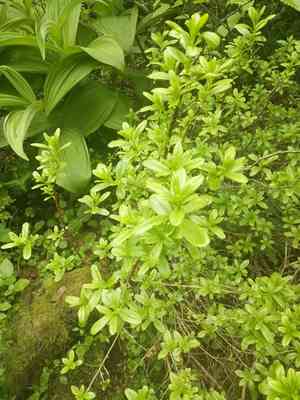
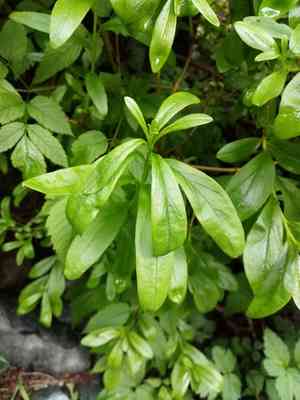
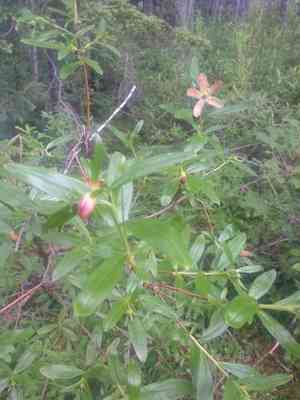
The Copperbush, named for its distinct copper-colored bark, is a medium-sized shrub that frequently coexists with White-flowered rhododendron (Rhododendron albiflorum) and False azalea (Menziesia ferruginea) in dense subalpine thickets. While these plants are often mistaken for one another, the Copperbush can be identified by the waxy powder present on its leaves.
In This Article
Attributes of Copperbush
Lifespan
Perennial
Plant Type
Shrub
Plant Height
50 cm to 3 m
Spread
1 to 2 meters (3.3 to 6.6 feet)
Leaf Color
Green in summer, turning yellow in autumn
Flower Size
1 to 2 cm
Flower Color
Yellow Green Red Brown
Images of Copperbush

Quickly Identify Copperbush
1
Elliottia pyroliflora can be identified by its distinctive bell-shaped flowers that are typically white or pale pink. The leaves are ovate and arranged alternately along the stems. During autumn, the foliage can turn a vibrant yellow.
Scientific Classification of Copperbush
Phylum
Vascular plants
Class
Dicotyledons
Order
Ericales
Family
Heath
Genus
Elliottia
Species
Copperbush
Planting and Growing of Copperbush
Care Difficulty
Hard
Watering Schedule
Every 3 days
Sunlight Requirements
Partial sun
Sunshine Duration
4-8 hours
Ideal Temperature
50-70℉
Soil Type
Potting Mix, Peat Mix
Soil pH
6.5-7.5
Fertilizer Type
Balanced
Pruning Season
Spring, Summer
Pruning Area
Branches, Leaves
Pruning Frequency
Once a year
Repotting Season
Spring
Pot Type
Plastic, Ceramic
 How to Water Copperbush?
Elliottia pyroliflora thrives when its soil maintains a consistent level of moisture without becoming waterlogged. It is best to water until the top 2-3 inches of soil are thoroughly moist, yet not soggy, ensuring that excess water drains out completely.
What are the symptoms of an underwatered Copperbush?
›
What should I do if my Copperbush is not getting enough water?
›
What are the symptoms of an overwatered Copperbush?
›
How to save an overwatered Copperbush?
›
 What Are the Sunlight Requirements for Copperbush?
Elliottia pyroliflora flourishes in partial sun, full shade environments. Ideal light ensures energy for growth, enhances vibrant colors, and promotes thriving blooms while limiting stress.
More About Sunlight Requirements Techniques→
What is the perfect lighting condition for Elliottia pyroliflora?
›
How can I provide this ideal lighting?
›
Why is this lighting condition beneficial?
›
 What Is the Ideal Temperature Range for Copperbush?
The ideal temperature range for Elliottia pyroliflora is between 50°F and 70°F. This range is optimal for its photosynthesis processes, promoting healthy growth and blossom. Cultivating within this range ensures the plant maximizes its genetic potential.
 What Soil is Best for Copperbush?
Elliottia pyroliflora thrives in well-drained soil, preventing root rot and other moisture-related issues. This condition helps the plant maintain healthy roots by allowing excess water to pass through easily, thus maintaining a perfect moisture balance. While drainage is crucial, the soil should still retain some moisture to support Elliottia pyroliflora's needs. This helps the plant uptake nutrients efficiently, contributing to lush foliage and vibrant blooms. Rich organic matter in the soil is essential, as it provides the necessary nutrients for optimal growth. Incorporating compost or leaf mold can improve fertility, enhancing the plant's vigor and resilience.
 How to Fertilize Copperbush?
Elliottia pyroliflora benefits from a balanced approach to fertilization. For liquid fertilizer, use a well-diluted solution; typically, one tablespoon per gallon of water is sufficient. For slow-release fertilizers, apply sparingly, following the manufacturer's recommended rates, usually around one ounce per square foot, distributed evenly across the soil surface.
 How to Prune Copperbush?
Make your cuts at a 45-degree angle just above a node, which encourages new growth. Avoid cutting too close to the node to prevent damage and ensure quicker recovery and rejuvenation. Start by removing dead or diseased wood, which can hinder growth and spread pathogens. Dispose of these branches away from the healthy plant to maintain a pest-free environment. Gently trim back overly long or crossing branches to balance the plant’s form. This not only improves aesthetics but also allows sunlight and air to penetrate the canopy, enhancing overall vitality.
More About Pruning Techniques→
 How to Propagate Copperbush plant?
1
Begin by filling a seed tray with a well-draining potting mix. Sow the seeds evenly on the surface, lightly cover them with more soil, and water gently. Place the tray in a warm location with indirect sunlight.
2
Use pruning shears to take a 4-6 inch cutting from a healthy branch. Remove the lower leaves, dip the cut end in rooting hormone powder, and plant it in a pot filled with a mix of peat and perlite.
3
Cover the seed tray or cuttings with a clear plastic cover or a plastic bag to maintain high humidity, which aids in germination and rooting. Ensure there is enough ventilation to prevent mold growth.
 How to Repot Copperbush plant?
1
The optimal time to repot Elliottia pyroliflora is when you notice roots spilling out of the drainage holes, growth slow-down, or when the soil appears compacted and unable to drain properly. These are all signs that your plant needs more room to grow and fresh soil to nourish it.
2
Select a pot that's about 1-2 inches larger in diameter than the current one. Preferably made of clay or ceramic to facilitate breathability, this will allow excess moisture to evaporate, preventing root rot. Ensure it has sufficient drainage holes to prevent waterlogging.
3
Opt for a well-draining acidic soil mix rich in organic matter to mimic the plant's native habitat. Such a mix ensures minerals retention while effectively preventing water stagnation, fostering healthy root growth and plant vitality.
Learn More About Copperbush Diseases
Anthracnose
Bacterial Leaf Spot
Bacterial Soft Rot
Bacterial Wilt
Crown Gall
Cyst Nematode
Damping-off
Downy Mildew
Drought Stress
Fusarium Wilt
Gray Mold
Leaf Curl
Leaf Spot
Mosaic
Nutrient Deficiency
Nutrient Toxicity
Powdery Mildew
Root Rot
Root-knot Nematode
Rusts
Sooty Mold
Spider Mites
Temperature Stress
Thrips Damage
White Mold



