How to Prune Copperbush?
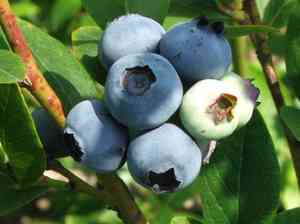
A unique bush featuring bronze-hued leaves, copperbush flourishes with strategic trimming to preserve its form and foster robust development. Perform pruning on copperbush in the latter part of winter or early spring, prior to the emergence of new buds. Eliminate any deceased, impaired, or intersecting branches to improve air movement. Reduce older woody stems to stimulate fresh sprouts, and remove faded blossoms to extend the flowering period. Adhering to these methods will maximize copperbush's vitality and floral presentation, guaranteeing a dense and appealing structure.
What Are the Benefits of Pruning Copperbush?
What Are the Benefits of Pruning Copperbush?
Trimming copperbush promotes robust development and helps maintain its desired form, ensuring a visually pleasing and thriving plant suitable for garden beauty and utility.
What Is the Best Time for Pruning Copperbush?
What Is the Best Time for Pruning Copperbush?
Pruning copperbush is best done in late winter and early spring as this period aligns with the plant's dormant phase. During this time, copperbush has finished its growth from the previous year, and pruning will not disrupt active growth, flowering, or fruit development. Furthermore, removing branches or stems at this stage reduces stress on the plant, and the risk of disease or pests exploiting fresh cuts is lower due to colder temperatures. Pruning before the start of spring growth allows copperbush to direct its energy towards healing and producing new shoots when growth resumes. Pruning during these recommended seasons helps maintain the shape and health of copperbush, ensuring a vigorous growing season with optimal flowering and growth. It is crucial to perform any significant trimming during this dormant period to facilitate the best possible outcome for the plant's health and appearance throughout the growing season.
What Tools Do I Need to Prune Copperbush?
Bypass Pruners
Perfect for making clean cuts on the smaller stems and branches of copperbush. The bypass blade design ensures a precise cut without crushing plant tissue, which is vital for the plant's health and recovery.
Loppers
Suitable for reaching into the denser areas of copperbush to trim thicker branches that cannot be cut with bypass pruners. The extended handles provide leverage, making it easier to prune without harming surrounding stems.
Pruning Saw
Essential for cutting through any woody stems or branches that are too thick for bypass pruners and loppers. The saw allows for accurate cuts without placing excessive strain on the plant's structure.
Gardening Gloves
Important for protecting hands from sharp edges or potentially irritating plant sap while pruning copperbush. They offer a better grip on tools, enhancing safety and precision.
Pruning Scissors
Useful for trimming smaller, more delicate parts of copperbush. These enable detailed work on the plant, ensuring that only the intended areas are pruned.
How to Prune Copperbush
Identify
Examine copperbush closely to pinpoint diseased leaves, withered leaves, dead branches, and diseased branches that need removal.
Disinfect
Clean and sanitize your pruning tools to prevent the spread of disease during the pruning process.
Trim leaves
Carefully trim off diseased and withered leaves from copperbush using sharp, sterilized pruning scissors, cutting at the base of the leaf stem.
Remove branches
Cut away any dead or diseased branches on copperbush. Use clean cuts and make them at a 45-degree angle, just above a healthy bud or set of leaves to encourage proper healing and growth.
Clean up
Collect and dispose of all removed plant material from copperbush to reduce the chance of disease spread. Clean and sterilize the tools once again after pruning.
Common Pruning Mistakes with Copperbush
Overpruning
Reducing the size of copperbush too severely can stress the plant and lead to a decrease in flowering.
Not sterilizing
Failing to sterilize tools before pruning increases the risk of spreading diseases to copperbush.
Tearing limbs
Ripping or tearing branches instead of making clean cuts can damage the plant's vascular system and impede its recovery.
Pruning during growth
Pruning copperbush while it's actively growing can disrupt its growth cycle and reduce bloom production.
Flush cuts
Making flush cuts against the trunk removes the branch collar, increasing susceptibility to pests and diseases.
Neglecting deadwood
Neglecting to remove dead or diseased branches can compromise the overall health and appearance of copperbush.
Common Pruning Tips for Copperbush
Selective cutting
Use selective cutting to remove only the old, non-productive stems, encouraging copperbush to produce fresh growth and more flowers.
Angle cuts
Making cuts at a 45-degree angle away from buds ensures water runoff and minimizes disease risk for copperbush.
Three-cut method
When removing larger branches, use a three-cut method to avoid tearing bark, which can harm copperbush's healing process.
Sanitization
Disinfect pruning tools before and after pruning copperbush to prevent the spread of diseases.
Thin out
Thin out the center of the copperbush to allow light penetration and air circulation, which promotes healthy growth and prevents fungal issues.
Consistent maintenance
Regularly check copperbush for dead, damaged, or diseased wood to prevent larger issues and maintain shape.



