How to Transplant Beaked spikerush?
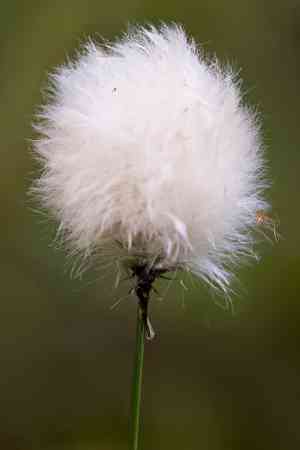
Eleocharis rostellata flourishes when relocated from the beginning to the end of spring due to the mild climate. Select bright areas featuring moist ground. Guarantee very little root disruption for optimal outcomes. Perfect for vigorous development and vibrant appearances.
What Preparations are Needed Before Transplanting Beaked Spikerush?
What is the Ideal Time for Transplanting Beaked Spikerush?
The best time to move beaked spikerush is from early to late spring or late summer to mid-fall. Relocating during these periods allows roots to establish before harsh weather, promoting strong growth and increased hardiness. By choosing this timing, you ensure the plant adapts well to its new spot, maximizing its long-term benefits.
How Much Space Should You Leave Between Beaked Spikerush Plants?
When relocating beaked spikerush, ensure each plant is spaced approximately 12-18 inches (30-46 cm) apart. This provides ample room for development and proper air circulation.
What is the Best Soil Mix for Beaked Spikerush Transplanting?
Prepare a soil blend that is silty or loamy, as beaked spikerush thrives in these conditions. Improve the soil with a foundational fertilizer rich in organic matter to supply essential nutrients.
Where Should You Relocate Your Beaked Spikerush?
Beaked spikerush prefers full sun to partial shade. Select a location in your garden that receives at least 6 hours of sunlight daily to ensure vigorous growth.
What Equipments Should You Prepare Before Transplantation Beaked Spikerush?
Gardening Gloves
To safeguard your hands while handling soil and plants.
Shovel or Spade
For digging around and lifting the plant from its original spot.
Watering Can
To keep the plant and soil adequately hydrated.
Garden Fork
To gently loosen the soil surrounding the plant's roots.
Bucket
To transport the plant if the new site is distant from the old.
Pruning Shears
To trim any damaged roots or foliage.
How Do You Remove Beaked Spikerush from the Soil?
How Do You Remove Beaked Spikerush from the Soil?
From Ground: First, hydrate the beaked spikerush plant to moisten the soil. Next, dig a wide trench around the plant using a shovel or spade, ensuring the plant's root ball remains intact. Carefully work the spade beneath the root ball to lift the plant from its initial location.From Pot: Thoroughly water the beaked spikerush plant before removal. Gently turn the pot on its side and tap the base to loosen the plant. Carefully slide the plant out, supporting the root ball and preventing damage.From Seedling Tray: Gently water the seedlings to make the soil easier to manage. Use a garden fork or small trowel to carefully lift each plant, ensuring minimal disturbance to the roots.
Step-by-Step Guide for Transplanting Beaked Spikerush
Plant Hole Preparation
Dig a hole in the new spot that is twice as wide and as deep as the root ball of the beaked spikerush plant.
Soil Preparation
Prepare the hole by loosening the soil at the bottom and sides, which will aid in quicker root establishment.
Plant Placement
Carefully position the beaked spikerush plant into the hole, ensuring the top of the root ball is level with the surrounding ground.
Backfilling
Fill the hole with soil, gently pressing down to remove air pockets but ensuring not to compact the soil too tightly.
Watering In
Water the plant thoroughly after transplanting to settle the soil and help establish the roots.
How Do You Care For Beaked Spikerush After Transplanting?
Watering
Keep the soil around the beaked spikerush consistently moist, but not waterlogged, for the initial weeks after transplanting to help establish strong roots.
Mulching
Apply a layer of mulch around the base of the plant to retain moisture and regulate soil temperature.
Monitoring
Regularly inspect the plant for signs of stress, such as wilting or yellowing leaves, and adjust care as needed.
Protection
If transplanting during a particularly hot or cold period, consider providing temporary shade or protection until the plant adapts to its new environment.
Troubleshooting Common Issues with Beaked Spikerush Transplantation.
When is the best time to transplant beaked spikerush?
Relocate beaked spikerush from early spring to late spring, late summer, early fall, or mid-fall.
How far apart should beaked spikerush be spaced when replanting?
Space beaked spikerush transplants 12-18 inches (30-46 cm) apart for optimal growth.
How should I prepare the soil for transplanting beaked spikerush?
Use moist, well-drained soil. Enrich it with compost or organic matter for best outcomes.
How deep should I plant beaked spikerush?
Plant beaked spikerush at the same depth it was previously growing to prevent shock.
Can beaked spikerush withstand transplant shock? How to mitigate it?
Water thoroughly after transplanting. Mulch to retain moisture and lessen transplant shock.
What should I do if beaked spikerush appears wilted after transplanting?
Ensure consistent watering. Avoid waterlogging but keep soil moist to aid beaked spikerush recovery.
Should I fertilize beaked spikerush immediately after transplanting?
Wait 2-3 weeks before fertilizing beaked spikerush. Use a balanced, slow-release fertilizer.
Will beaked spikerush require staking after transplanting?
Beaked spikerush generally does not need staking; its growth habit naturally supports itself.
How to handle beaked spikerush roots during transplanting?
Handle roots gently. Trim damaged parts and spread roots out in the new hole.
What is the ideal temperature range for transplanting beaked spikerush?
Transplant beaked spikerush when temperatures are mild, ideally between 60-75°F (15-24°C).



