How to Propagate Beaked spikerush?
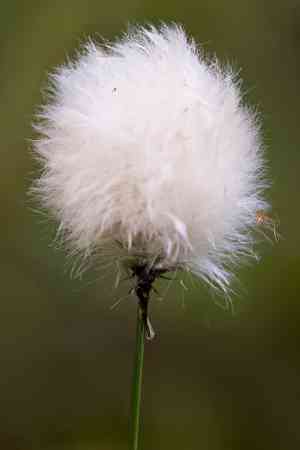
Eleocharis rostellata, a perennial aquatic species, predominantly thrives in wetland environments. Successful propagation necessitates meticulous division, making certain that every segment retains its root structure. Optimal cultivation requires a damp, silty growing medium. It is crucial to keep the divided portions hydrated to encourage root development. Handle with care to prevent harm to the fragile root systems.
When Is the Best Time to Multiply Beaked Spikerush?
Propagation Method
Separation
Propagation Period
Spring,Autumn
What Implements Are Utilized in Beaked Spikerush Propagation?
Sharp Blade or Garden Shovel
Employed for precisely and cleanly separating the root clumps of beaked spikerush, minimizing harm to the roots and ensuring each segment possesses an adequate root system for successful regrowth.
Watering Can or Spray Bottle
Crucial for maintaining appropriate moisture levels in the soil and on the propagated segments, supporting hydration needs vital for root establishment.
Rooting Stimulant
Aids in encouraging root development in the divisions of beaked spikerush, increasing the likelihood of successful root establishment and overall viability of the propagated plants.
Planting Vessels
These are used to house the separated portions of beaked spikerush during the initial growth phase. They assist in managing soil quality and moisture levels conducive to healthy root development.
Pruning Shears
Required for trimming any damaged or excessive roots or foliage after division, ensuring that the plant's energy is directed toward establishing new root growth.
Identification Tags
These help track the divisions of beaked spikerush, facilitating proper identification and care during the propagation process. Accurate labeling prevents confusion, especially when handling multiple plant varieties.
Sanitizing Solution
Used to cleanse tools before and after use to prevent the introduction of pathogens during the division process, promoting plant health and reducing the risk of infection.
How to Propagate Beaked Spikerush?
Propagation Difficulty
Simple
How to Care for Your Newly Propagated Beaked Spikerush?
How to Care for Your Newly Propagated Beaked Spikerush?
Following propagation, keep beaked spikerush in a bright, indirect light environment and maintain consistent moisture. They thrive in wet areas, so ensure the planting medium stays damp. Periodically check for signs of stress or disease, and be diligent about weeding to prevent competition for nutrients.
Common Errors to Avoid When Propagating Beaked Spikerush
Excessive Watering
Since beaked spikerush prefers moist conditions, gardeners might assume it requires too much water. This can lead to root rot and fungal problems.
Incorrect Growing Medium
Using dense or poorly draining soil can impede root development and aeration, which are essential for beaked spikerush's growth.
Improper Division
Dividing the plant incorrectly, such as harming the rhizomes or not having enough nodes on each division, can impact regeneration and vigor.
Neglecting Light Requirements
Placing beaked spikerush in either too much shade or excessive direct sunlight can stress the plant and reduce its overall growth and health.
Advice For Propagating Beaked Spikerush
Optimal Moisture Levels
Keep the substrate consistently moist but ensure proper drainage to prevent waterlogging and root diseases.
Suitable Substrate
Use a sandy or loamy soil mix that mimics the natural habitat of beaked spikerush, ensuring it is well-aerated and not too compact.
Careful Division
When dividing, ensure each section has at least 2-3 nodes and intact rhizomes to promote successful regrowth and establishment.
Balanced Light Exposure
Beaked spikerush thrives in partial sun to partial shade. Ensure the plant receives adequate sunlight without being exposed to harsh, direct rays for prolonged periods.



