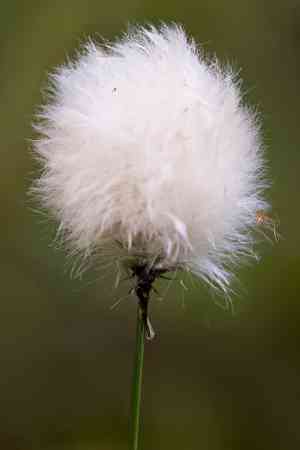
Beaked spikerush (Eleocharis rostellata)
Also known as: Beaked Spikerush, Beaked Bulrush
Eleocharis rostellata, also known as beaked spikerush, is a perennial herb that grows up to 1.2 meters tall. It features spongy, compressible stems that tend to bend and droop. When the tips of these stems come into contact with moist soil, they can root and give rise to new stems. This plant primarily spreads through its underground rhizomes, which generate new shoots and roots to form dense colonies. Additionally, Eleocharis rostellata can reproduce by seed, although vegetative propagation through rhizomes is more prevalent.
In This Article
Attributes of Beaked spikerush
Lifespan
Perennial
Plant Type
Grass
Plant Height
30 cm to 1.5 m
Spread
N/A
Leaf Color
Green
Flower Size
Small
Flower Color
Yellow Brown
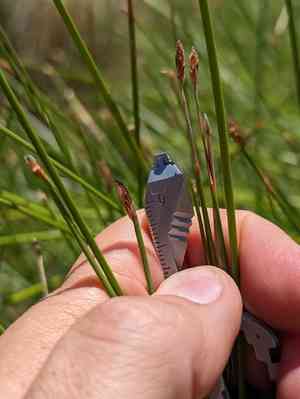
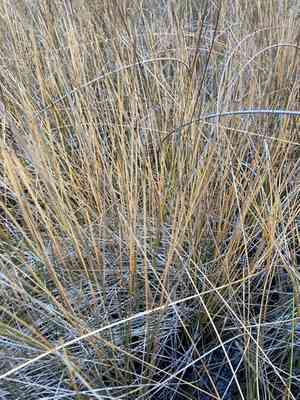
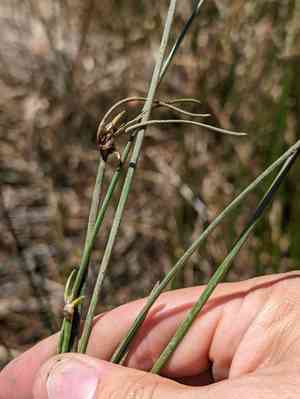
Images of Beaked spikerush
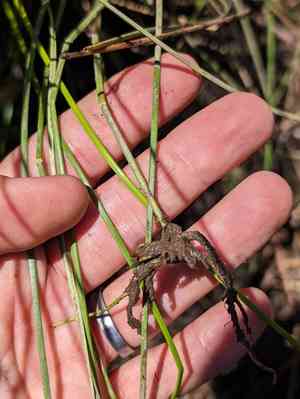
Quickly Identify Beaked spikerush
1
To identify Eleocharis rostellata, look for its slender, erect stems that can reach up to 60 cm in height. The plant features spikelets with a unique beak-like extension and typically grows in marshy or wet areas.
Scientific Classification of Beaked spikerush
Phylum
Vascular plants
Class
Monocotyledons
Order
Poales
Family
Sedge
Genus
Eleocharis
Species
Beaked spikerush
Planting and Growing of Beaked spikerush
Care Difficulty
Moderate
Watering Schedule
Every 2 days
Sunlight Requirements
Full sun
Sunshine Duration
4-8 hours
Ideal Temperature
60-75℉
Soil Type
Potting Mix, Peat Mix
Soil pH
6.5-7.5
Fertilizer Type
Balanced
Pruning Season
Spring, Summer
Pruning Area
Branches, Leaves
Pruning Frequency
2 times a year
Repotting Season
Spring
Pot Type
Plastic, Ceramic
 How to Water Beaked spikerush?
Eleocharis rostellata, commonly known as beaked spikerush, thrives in moist conditions. Water it until the soil is thoroughly saturated but not waterlogged. This generally requires about 200 ml per watering session to maintain the ideal moisture level.
What are the symptoms of an underwatered Beaked spikerush?
›
What should I do if my Beaked spikerush is not getting enough water?
›
What are the symptoms of an overwatered Beaked spikerush?
›
How to save an overwatered Beaked spikerush?
›
 What Are the Sunlight Requirements for Beaked spikerush?
Eleocharis rostellata flourishes in full sun to partial sun settings, achieving optimal growth with consistent exposure to natural light. Ample sunlight supports its energetic and photosynthetic needs, promoting healthy and resilient development.
What is the optimal lighting condition for Eleocharis rostellata?
›
How to achieve ideal lighting for Eleocharis rostellata?
›
What are the benefits of ideal lighting for Eleocharis rostellata?
›
 What Is the Ideal Temperature Range for Beaked spikerush?
The ideal temperature range for Eleocharis rostellata is between 60 and 75 degrees Fahrenheit. This range ensures the plant can maintain optimal metabolic processes and photosynthesis, promoting healthy and robust growth. Energy production and nutrient absorption are maximized within this range, supporting overall plant health.
 What Soil is Best for Beaked spikerush?
Eleocharis rostellata thrives in nutrient-rich soil that supplies essential minerals and organic matter. This requirement supports vigorous growth by enhancing root development and shoot proliferation, vital for a lush and thriving plant. This plant prefers well-drained conditions to prevent root rot. Proper drainage ensures that excess water flows away, maintaining optimal moisture levels and preventing the stagnation that could harm the plant’s health. Eleocharis rostellata thrives best with a consistent moisture supply in its growing medium. Adequate moisture enhances photosynthesis and supports metabolic processes crucial for vibrant growth and resilience.
 How to Fertilize Beaked spikerush?
When fertilizing Eleocharis rostellata, it is crucial to apply a balanced amount to ensure healthy growth. For liquid fertilizers, use a diluted solution, applying approximately 20 ml per liter of water. In the case of slow-release fertilizers, apply about 15 grams per square meter. Avoid over-fertilizing to prevent nutrient burn.
 How to Prune Beaked spikerush?
Start by identifying any dead, damaged, or discolored stems. These are the parts that need to be removed first, as they can harbor pests or diseases that detract from the overall health of the plant. Use sharp scissors or pruning shears to cut them at the base. Next, focus on trimming back any overgrown sections to maintain the plant's shape and encourage air circulation. This prevents the plant from becoming too dense, which can inhibit growth and lead to fungal issues. Trim about one-third of the length to control size without stressing the plant too much. Finally, to encourage new growth, trim the tips of the stems slightly. This is known as 'topping' and helps stimulate the plant to produce fresh shoots and become bushier. Regular topping maintains the plant's compact appearance and enhances its overall vigor.
More About Pruning Techniques→
 How to Propagate Beaked spikerush plant?
1
Choose a well-draining soil mix that mimics the plant’s natural habitat. For division, ensure the soil is moist but not waterlogged to ease the separation process.
2
Carefully remove the entire plant from the ground using a trowel. Gently separate the rhizomes ensuring each section has some roots attached to it for successful propagation.
3
Plant the divided sections or seeds in prepared pots or directly into the garden. Ensure they are planted at the correct depth: rhizomes just below the surface, seeds lightly covered with soil.
 How to Repot Beaked spikerush plant?
1
Repotting Eleocharis rostellata should primarily take place when you notice signs that the plant is outgrowing its current vessel. Indicators include roots coming out of the drainage holes or a slow-down in growth. Observing these signs mostly during the growing seasons of spring and summer ensures the plant adapts well to new conditions.
2
An ideal pot for Eleocharis rostellata is one that offers adequate drainage. This fringe-rush thrives best in a pot where excess water can easily escape, preventing the roots from sitting in water. Opt for pots slightly larger than the root ball to allow room for growth, ideally made of breathable materials such as clay or ceramic.
3
Select a soil that remains consistently moist yet drains well, similar to the plant's natural marshy habitats. A loamy soil mix can mimic these conditions, ensuring that the plant doesn't dry out nor does it become waterlogged, promoting healthy and vigorous growth for Eleocharis rostellata.



