How to Transplant Creeping tonguefern?
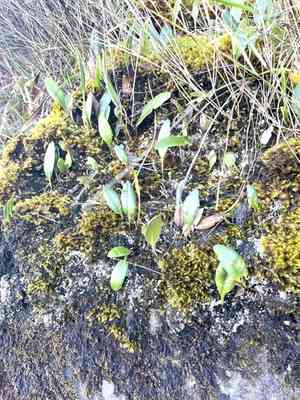
For creeping tonguefern, the ideal period for relocation spans from the onset of early spring to the threshold of summer's heat, facilitating crucial root development. Select shaded spots that mimic its natural forest floor habitat. Careful manipulation is essential for its fragile leaves.
Necessary Preparations Before Moving Creeping Tonguefern?
Optimal Period for Relocating Creeping Tonguefern?
The best time for moving creeping tonguefern is during the gentle onset of spring through its later stages. This period offers creeping tonguefern mild temperatures and consistent moisture, fostering root development and minimizing transplant shock. Placing creeping tonguefern into the ground now ensures vigorous growth and splendid health, as its life cycle begins anew, creating an ideal environment for this elegant perennial's prosperous future.
Required Distance Between Creeping Tonguefern Plants?
When preparing to relocate your creeping tonguefern, providing adequate personal space is crucial. Aim for a generous separation of 12-24 inches (30-61 cm) between each plant. This will allow your creeping tongueferns ample room to spread their fronds and thrive!
Ideal Soil Blend for Creeping Tonguefern Relocation?
Before your creeping tongueferns undergo their significant move, soil preparation is essential. Select a well-draining soil, rich in organic matter. A light application of a balanced, slow-release fertilizer will provide a beneficial start. They will reward you with lush growth!
Preferred New Location for Your Creeping Tonguefern?
Your creeping tongueferns appreciate some shade! Find a spot where the soft morning sun can reach them, but where they are shielded from intense afternoon rays. An area with filtered sunlight, similar to their natural forest floor habitat, is absolutely perfect.
Equipment to Prepare Before Relocating Creeping Tonguefern?
Gardening Gloves
To safeguard your hands while handling soil and the plant.
Trowel
For excavating the root ball of the creeping tonguefern when removing it from its container.
Shovel or Spade
To be used for digging if creeping tonguefern is to be moved from the ground.
Watering Can or Hose
To hydrate the creeping tonguefern before and after its relocation.
Pruning Shears
For trimming any dead or damaged fronds from the creeping tonguefern.
Wheelbarrow or Plant Dolly
To transport the creeping tonguefern and soil to the new site if they are heavy or large.
Organic Mulch
To assist in retaining soil moisture after the relocation.
How to Extract Creeping Tonguefern from the Soil?
How to Extract Creeping Tonguefern from the Soil?
From Ground: Water the creeping tonguefern thoroughly to facilitate soil removal. Dig a wide perimeter around the plant to prevent root damage. Use a spade or shovel to gently lift the root ball from the ground.From Pot: Carefully lay the pot on its side and tap the edges to loosen the root ball. Grasp the plant's base and gently ease it out, preserving the root ball's integrity.From Seedling Tray: Moisten the soil in the tray. Use a trowel or spoon to carefully lift the seedling by its root ball to avoid disturbing the roots.
Step-by-Step Guide for Relocating Creeping Tonguefern
Root Ball
Carefully examine the creeping tonguefern's root ball and trim any broken or excessively long roots with clean pruning shears.
Hole Preparation
Excavate a hole in the ground that is twice as wide and equally deep as the root ball. Loosen the soil at the base of the hole.
Placement
Position the creeping tonguefern in the center of the hole. Ensure the top of the root ball is level with the surrounding soil surface.
Soil Backfill
Gently refill the hole with soil. While doing so, ensure there are no air pockets by lightly compacting the soil.
Watering
Thoroughly water the creeping tonguefern immediately after relocation to settle the soil and provide hydration.
Mulching
Apply a layer of organic mulch around the base of creeping tonguefern to help retain moisture and regulate soil temperature.
Post-Relocation Care for Creeping Tonguefern?
Consistent Watering
Ensure the soil remains uniformly moist, especially during the initial weeks, to encourage root development.
Observation
Monitor for signs of stress such as wilting or discolored fronds and take corrective action by adjusting watering if needed.
Protection
Shield the newly relocated creeping tonguefern from harsh weather conditions like strong winds or heavy rains until it is well-established.
Pruning
Trim any fronds that may have been damaged during the relocation process to promote healthy new growth.
Addressing Common Issues with Creeping Tonguefern Relocation.
When is the optimal time to relocate creeping tonguefern?
The best period is from early to late spring when growth is active but temperatures are mild.
What spacing should I use for creeping tonguefern during relocation?
Allow a generous spacing of 12-24 inches (30-61 cm) to provide each plant ample room to flourish.
Why is my creeping tonguefern struggling after relocation?
Ensure roots are undamaged, soil drains well, and the plant isn't sitting in water.
What soil type is best for relocating creeping tonguefern?
Utilize a rich, organic, well-draining soil mix; creeping tonguefern prefers moderate moisture but dislikes soggy conditions.
How much should I water creeping tonguefern after relocation?
Keep the soil consistently moist but not waterlogged; water sufficiently to settle the soil around the roots.
What should I do if creeping tonguefern leaves turn yellow?
Yellowing may indicate overwatering or poor drainage; adjust your watering routine and check soil permeability.
How deep should I plant creeping tonguefern during relocation?
The root ball should be positioned at the same depth as it was in its previous container.
Why is creeping tonguefern wilting after I relocated it?
Wilting could be due to transplant shock; maintain soil moisture and temporarily protect from strong sunlight.
Can I relocate creeping tonguefern during summer?
Relocating in summer is not ideal due to heat stress; adhere to the recommended spring timeframe.
Should I fertilize creeping tonguefern immediately after relocation?
Wait a few weeks before fertilizing to allow the plant to establish and prevent root burn.



