How to Prune Creeping tonguefern?
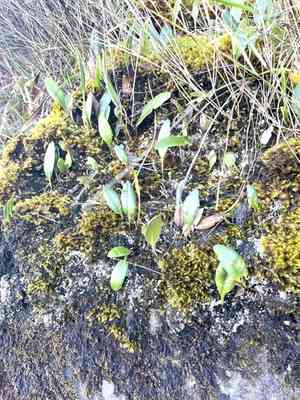
A moisture-loving fern frequently observed covering woodland grounds, creeping tonguefern flourishes with infrequent trimming, mainly to eliminate aged or compromised fronds. Perform pruning in late winter or early spring, prior to the emergence of new shoots. This practice preserves its appearance and fosters robust foliage. Refrain from extensive cutting, as creeping tonguefern possesses an inherent spreading characteristic that aids its development in shaded conditions. Trimming not only neatens the plant but also stimulates the appearance of new, lively fronds.
What Are the Benefits of Pruning Creeping Tonguefern?
What Are the Benefits of Pruning Creeping Tonguefern?
Trimming creeping tonguefern promotes robust development and helps maintain its desired form. Strategic cuts can encourage new, healthy foliage while preventing excessive growth that can lead to an undesirable plant shape.
What Is the Best Time for Pruning Creeping Tonguefern?
What Is the Best Time for Pruning Creeping Tonguefern?
The optimal periods for trimming creeping tonguefern are early spring and late winter. These seasons are considered ideal as creeping tonguefern is typically in a dormant state, which lessens stress on the plant and encourages quicker recovery. During these times, it's simpler to identify and remove any dead or damaged fronds without affecting the growth of new fronds, which usually emerges in warmer months. Pruning in early spring or late winter helps preserve the health and look of creeping tonguefern by stimulating fresh growth and lowering potential disease risk, making it the top choice for the plant's longevity and aesthetic appeal.
What Tools Do I Need to Prune Creeping Tonguefern?
sharp, sterilized scissors or small pruning shears
These are perfect for creeping tonguefern due to its small, delicate fronds. Sharp tools ensure a clean cut, which is vital for the health of creeping tonguefern. Sterilization prevents the spread of disease among plants.
soft gloves
While creeping tonguefern is not known for having thorns or other harmful textures, gloves will help protect the gardener's hands and prevent the transfer of oils and pests to the plant.
How to Prune Creeping Tonguefern
Clean tools
Sanitize your pruning tools before beginning to prevent the spread of disease. Use a solution of one part bleach to nine parts water or rubbing alcohol to clean the blades.
Inspect
Carefully examine creeping tonguefern for any diseased or withered leaves. Look for any signs of discoloration, spots, or decay that indicate a need for removal.
Remove diseased leaves
Using your sterilized tools, carefully snip off the diseased leaves at the point where they meet the stem or the healthy tissue. Be sure not to tear or damage the stem.
Remove withered leaves
Similarly, remove any withered leaves from creeping tonguefern that are brown, crispy, or clearly dead. Cut these back to the base or healthy part of the leaf.
Dispose
Discard all removed material away from creeping tonguefern and other plants to minimize the risk of spreading any potential diseases. Do not compost diseased materials.
Common Pruning Mistakes with Creeping Tonguefern
Overpruning
Removing too many fronds from creeping tonguefern at once can shock the plant, leading to poor growth or even plant death.
Pruning healthy fronds
Cutting off healthy fronds can harm the overall vigor of creeping tonguefern, as it reduces the plant's ability to photosynthesize efficiently.
Improper tool use
Using dull or dirty pruning tools can damage the fronds of creeping tonguefern and introduce diseases.
Ignoring plant structure
Not considering the natural shape and growth pattern of creeping tonguefern when pruning can result in an unattractive appearance and harm the plant's health.
Neglecting hygiene
Failing to disinfect tools between cuts and plants can spread pathogens, affecting the health of creeping tonguefern.
Common Pruning Tips for Creeping Tonguefern
Selective pruning
Trim only the old, damaged, or yellowing fronds of creeping tonguefern to maintain its health and appearance without compromising its growth.
Sharp tools
Ensure the use of clean, sharp tools to make precise cuts that will heal more quickly on creeping tonguefern, reducing the risk of disease.
Gentle handling
Handle creeping tonguefern gently when pruning as its fronds are delicate and can be damaged easily.
Immediate care
After pruning creeping tonguefern, provide water, and if indoors, ensure it is in a location with adequate humidity to help recover from the pruning stress.
Minimal intervention
Since creeping tonguefern usually requires minimal pruning, intervene only when necessary to let it grow naturally and avoid excessive pruning.



