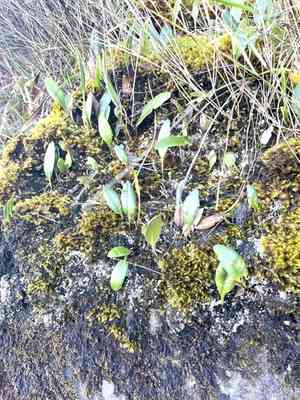
Creeping tonguefern (Elaphoglossum conforme)
Also known as: None
The creeping tonguefern (Elaphoglossum conforme) is a fern commonly found in the South Atlantic region. This plant, classified as a lithophyte, typically grows attached to rocks or wood. It can also function as an epiphyte, thriving on trees.
In This Article
Attributes of Creeping tonguefern
Lifespan
Perennial
Plant Type
Fern
Plant Height
15 cm to 40 cm
Spread
Not applicable
Leaf Color
Dark green
Flower Size
Not applicable
Flower Color
Not applicable
Images of Creeping tonguefern
Quickly Identify Creeping tonguefern
1
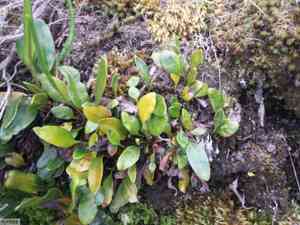
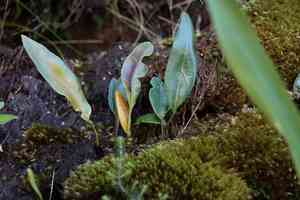
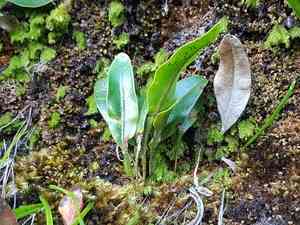
Elaphoglossum conforme can be identified by its thick, leathery fronds that are lanceolate in shape. The fronds have a distinct midrib and can vary in length, usually ranging from 30 to 60 cm long. The undersides of the fronds are covered with scales.
Scientific Classification of Creeping tonguefern
Phylum
Vascular plants
Class
Ferns
Order
Polypodiales
Family
Wood fern
Genus
Elaphoglossum
Species
Creeping tonguefern
Planting and Growing of Creeping tonguefern
Care Difficulty
Easy
Watering Schedule
Every 2 days
Sunlight Requirements
Partial sun
Sunshine Duration
6-10 hours
Ideal Temperature
60-75℉
Soil Type
Potting Mix, Peat Mix
Soil pH
6.5-7.5
Fertilizer Type
Balanced
Pruning Season
Spring, Summer
Pruning Area
Branches, Leaves
Pruning Frequency
Once a year
Repotting Season
Spring
Pot Type
Plastic, Ceramic
 How to Water Creeping tonguefern?
When watering Elaphoglossum conforme, you should aim for around 200 milliliters each time. The soil should be evenly moist but not soggy. It's important to let the top inch of soil dry out between waterings to prevent root rot. Feel the soil with your fingers to judge the moisture level, ensuring it's just right for this particular fern.
What are the symptoms of an underwatered Creeping tonguefern?
›
What should I do if my Creeping tonguefern is not getting enough water?
›
What are the symptoms of an overwatered Creeping tonguefern?
›
How to save an overwatered Creeping tonguefern?
›
 What Are the Sunlight Requirements for Creeping tonguefern?
Semi-shaded environments are ideal. They support the plant’s adaptability and maximize photosynthesis without the risks posed by direct, harsh sun.
What is the ideal placement?
›
Should I use any light filters?
›
How does light intensity impact its growth?
›
 What Is the Ideal Temperature Range for Creeping tonguefern?
For Elaphoglossum conforme, maintaining an ideal temperature range of 60°F to 75°F is crucial for its growth. This range ensures that the plant can carry out its physiological processes efficiently, leading to healthy foliage and robust development. It is important to provide a stable environment within this range to promote consistent growth and prevent stress.
 What Soil is Best for Creeping tonguefern?
Elaphoglossum conforme thrives in soil that retains moisture well without becoming waterlogged. This is critical for ferns, as they require consistent hydration to maintain their lush, green foliage. The soil should have excellent drainage properties to prevent root rot. Even though the plant enjoys moisture, standing water can be detrimental, thus requiring a loamy or sandy loam structure for optimal growth. This plant benefits from nutrient-rich soil that provides essential minerals for growth. Incorporating organic matter such as compost can greatly enhance the soil's fertility, promoting vibrant growth.
 How to Fertilize Creeping tonguefern?
For Elaphoglossum conforme, apply a diluted liquid fertilizer. Use a solution that is half the recommended strength on the package instructions. This means if the instruction suggests 10 ml per liter, use 5 ml per liter.
 How to Prune Creeping tonguefern?
Begin by identifying any non-essential growth or overcrowded areas. Target these areas for pruning to ensure your Elaphoglossum conforme gets adequate light and airflow, preventing fungal diseases and maintaining its vitality. When pruning, carefully trim back the fronds to encourage new growth. Avoid cutting too close to the main stem to prevent damage and encourage healthy plant development. After pruning, continue to monitor the growing conditions. Ensure the plant is not exposed to direct sunlight immediately after pruning since this can stress the newly trimmed fronds.
More About Pruning Techniques→
 How to Propagate Creeping tonguefern plant?
1
Carefully remove the parent plant from its pot to expose the rhizomes. Gently clean the roots to remove excess soil, which will allow you to clearly see the rhizome divisions for cutting.
2
With a sharp and sterilized knife, make clean cuts through the rhizome, ensuring that each section has at least one healthy frond and root structure. This is key for the new plant to establish well in its pot.
3
Plant each divided rhizome into an individual sterilized pot with fresh, well-draining soil mix. Ensure each is at the same depth it was growing originally and water lightly.
 How to Repot Creeping tonguefern plant?
1
Elaphoglossum conforme should be repotted when it shows signs of outgrowing its current pot, such as roots appearing on the surface or through drainage holes. Additionally, a decline in vitality or compacted soil also signals the need for repotting.
2
Select a pot that is one size larger than the current one, with good drainage holes at the bottom. A breathable material like terracotta helps maintain proper soil moisture levels. This prevents the plant from waterlogging, promoting healthier root growth.
3
For Elaphoglossum conforme, choose a well-draining soil mix rich in organic matter. This ensures adequate aeration while retaining some moisture, mimicking its natural habitat. A good mix may include peat moss, perlite, and pine bark.



