How to Transplant Weeping grass?
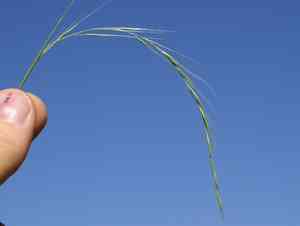
For optimal outcomes, relocate weeping grass during temperate periods, specifically from early to late spring or early to late winter. Select a site that receives full sun to partial shade and possesses soil with good drainage. Verify that the chosen spot fulfills these requirements for a successful transplantation.
Necessary Preparations Before Moving Weeping Grass?
Optimal Period for Relocating Weeping Grass?
Move weeping grass during the cooler months, specifically from early to late spring or early to late winter. These periods offer mild temperatures and adequate moisture, promoting excellent root development. This timing ensures the perennial's robustness and enhances growth, leveraging ideal environmental conditions for successful relocation.
Required Spacing Between Weeping Grass Plants?
When relocating weeping grass, ensure each plant is positioned 12-18 inches (30-45 cm) apart. This provides ample room for development and proper air circulation, preventing overcrowding.
Best Soil Blend for Weeping Grass Relocation?
Prepare a soil that drains well, either sandy or loamy, for weeping grass. Enhance the soil with a foundational fertilizer containing balanced nutrients, such as a slow-release 10-10-10 (N-P-K) formula, to give your plants an excellent start.
Ideal Spot for Your Weeping Grass Relocation?
Weeping grass flourishes best in full sun to partial shade. Select a site that receives at least 4-6 hours of sunlight daily to ensure vigorous growth and lush foliage.
Equipment Needed Before Relocating Weeping Grass?
Gardening Gloves
To safeguard your hands while handling soil and plants.
Shovel or Spade
For excavating and lifting the plant from its initial spot.
Trowel
Used for smaller, more precise digging around the root mass.
Garden Fork
To loosen the soil surrounding the root ball when extracting the plant.
Watering Can or Hose
To hydrate the plant before and after its relocation.
Wheelbarrow or Garden Cart
For moving the plant to its new position.
Mulch
To aid in retaining soil moisture post-relocation.
Stakes
To offer support for the plant if required.
Plant Labels
To mark the new spot if moving multiple plants.
How to Extract Weeping Grass from the Soil?
How to Extract Weeping Grass from the Soil?
From Ground: First, water the weeping grass plant to moisten the soil. Next, dig a wide trench around the plant using a shovel or spade, ensuring the plant's root ball remains intact. Carefully work the spade beneath the root ball to lift the plant from its original location.From Pot: Gently tap the pot's sides to loosen the soil and roots. Hold the plant at its base and carefully slide it out of the pot, supporting the root ball as you proceed. If the roots are tightly bound, gently separate them to encourage spreading.From Seedling Tray: Water the seedlings a few hours prior to relocation. Using a trowel or your fingers, gently scoop under the seedling to lift it, keeping as much soil around the roots as possible. If the seedlings are densely packed, you might need to gently separate them before relocating.
Step-by-Step Guide for Relocating Weeping Grass
Prepare the New Location
Dig a hole in the new spot that is twice as wide and the same depth as the weeping grass plant's root ball.
Move the Plant
Carefully transport the weeping grass plant to its new location, ideally using a wheelbarrow or garden cart to prevent damage during the move.
Plant in the New Hole
Place the weeping grass plant in the hole, ensuring the top of the root ball is level with the surrounding soil. Backfill the hole with soil, gently firming it around the roots to remove air pockets.
Water the Plant
After planting, water thoroughly to settle the soil around the roots. This helps ensure good root-to-soil contact.
Add Mulch
Apply a layer of mulch around the base of the weeping grass plant to help retain moisture and regulate soil temperature.
Support if Necessary
If the weeping grass plant is tall or top-heavy, consider installing stakes to provide support while it establishes in the new location.
How to Care for Weeping Grass After Relocation?
Watering
Keep the soil around the weeping grass consistently moist, but not waterlogged, for the initial weeks after relocation to aid in developing strong roots.
Monitoring
Regularly inspect the weeping grass for signs of distress such as wilting or yellowing leaves. Adjust watering practices as needed.
Mulching
Maintain the mulch layer to assist with moisture retention and weed suppression. Replenish the mulch when necessary.
Avoid Fertilizing
Refrain from fertilizing the weeping grass for a few weeks to allow it to acclimate without additional stress.
Protection
Consider offering some protection from strong winds or excessive sun for a few days post-relocation to lessen transplant shock.
Addressing Common Issues with Weeping Grass Relocation.
When is the best time to relocate weeping grass?
The ideal time is early spring to late spring or early winter to late winter.
How much space should I leave between weeping grass plants after relocation?
Leave approximately 12-18 inches (30-45 cm) between each plant for healthy growth.
What soil conditions are most suitable for weeping grass?
Weeping grass thrives in well-drained soil with moderate fertility for optimal growth.
Should I water weeping grass immediately after relocating?
Yes, water thoroughly right after relocation to help establish the roots.
How should I prepare the ground before relocating weeping grass?
Loosen the soil and remove weeds to create a favorable growing area for weeping grass.
What should I do if weeping grass's leaves turn yellow after relocating?
Ensure proper watering and check for root damage or transplant shock.
Can weeping grass withstand full sunlight?
Weeping grass performs well in both full sunlight and partial shade, making it adaptable.
How deep should I plant weeping grass in its new location?
Plant weeping grass at the same depth it was in its original location to minimize stress.
What is a common indicator of transplant shock in weeping grass?
Wilting or leaf drop often signals that weeping grass is experiencing transplant shock.
Is mulching beneficial for weeping grass after relocating?
Yes, adding mulch helps retain moisture and shield weeping grass from extreme temperatures.



