How to Propagate Weeping grass?
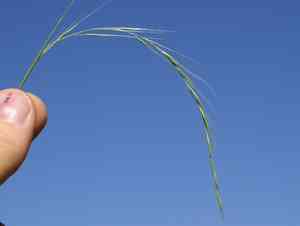
Weeping grass is a adaptable, enduring grass recognized for its spreading, clustered growth pattern and capacity to flourish in diverse settings. For reproduction, splitting is the most efficient technique. Gently excavate established clusters and divide the root systems, making sure every segment possesses sufficient roots and shoots. Immediately replant the separated portions in properly prepared earth to guarantee successful rooting and development.
What Is the Best Time To Propagate Weeping Grass?
Propagation Type
Division
Propagation Season
Spring,Autumn
What Tools Are Used in Weeping Grass Propagation?
Garden Fork
A garden fork is crucial for separating weeping grass, as it aids in lifting clumps from the ground with minimal root damage. Its tines can gently untangle dense root systems, ensuring each segment has healthy roots, vital for new plants to thrive.
Sharp Knife or Spade
A sharp knife or spade is utilized to carefully divide weeping grass clumps into smaller portions. This tool is essential for making clean cuts through the root mass, reducing the risk of tearing or crushing roots, which can lead to decay or disease.
Pruning Shears
Pruning shears are useful for trimming dead or damaged foliage before replanting weeping grass divisions. Removing these parts encourages vigorous growth and lessens the chance of infection and pest problems.
Rooting Hormone (Optional)
While not always required, applying rooting hormone to the cut ends of divided weeping grass can encourage faster root development and help new plants establish more effectively. This is especially helpful if divisions seem stressed or growing conditions are suboptimal.
Watering Can or Hose with Fine Spray Attachment
Sufficient watering is vital for newly planted weeping grass divisions. A watering can or hose with a fine spray attachment ensures gentle irrigation, preventing soil erosion and root disturbance, which are critical for initial establishment.
Plant Labels
Plant labels are important for tracking the various sections of replanted weeping grass. This assists in monitoring their growth and health over time, ensuring proper care and upkeep.
How to Propagate Weeping Grass?
Propagation Type
Easy
How to Care for Your Newly Propagated Weeping Grass?
How to Care for Your Newly Propagated Weeping Grass?
Once new weeping grass divisions are established, consistent moisture is key, especially during dry periods. Apply a balanced, slow-release fertilizer in spring to promote robust growth. Regularly remove weeds around plants to reduce competition. Trim back any dead or damaged foliage to encourage new growth and maintain plant health. Ensure good air circulation to prevent fungal diseases. Monitor for pests and treat them promptly to avoid significant harm to the growing plants.
Common Mistakes to Avoid When Propagating Weeping Grass
Incorrect soil choice
Using soil that doesn't drain well can cause root rot and poor development. Weeping grass thrives in well-draining soil.
Overwatering
Excessive watering can lead to waterlogged soil, resulting in root rot and fungal infections. Weeping grass needs moderate irrigation.
Insufficient light
Placing weeping grass in an area with inadequate sunlight hinders photosynthesis, leading to weak growth. Weeping grass grows best in full sun or partial shade.
Improper spacing
Planting weeping grass too close to other plants can create competition for nutrients, light, and water, impeding its growth.
Incorrect handling during transplantation
Rough handling during transplantation can damage delicate roots and reduce the plantâs chances of successful establishment.
Tips For Propagating Weeping Grass
Select well-draining soil
Choose a soil mix that allows excess water to drain away to prevent root rot and encourage healthy growth.
Moderate watering
Water sparingly, ensuring the soil remains moist but not waterlogged to avoid fungal issues and root rot.
Sufficient light
Provide full sun to partial shade to ensure the plant receives adequate light for photosynthesis without being scorched.
Proper spacing
Allow adequate space between plants to avoid competition and ensure each plant has access to sufficient nutrients, light, and moisture.
Gentle transplantation
Handle the roots carefully during transplantation to minimize stress and damage, improving the plant's chances of successful establishment.



