How to Prune Weeping grass?
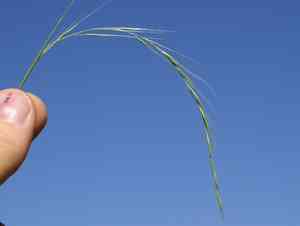
Recognized for its abundant, cascading leaves, weeping grass thrives with consistent trimming to preserve its aesthetic charm and well-being. This maintenance should occur in early spring or during winter, coinciding with its developmental phase to stimulate fresh development and robustness. Cut away any withered or compromised blades and thin out congested areas to enhance air movement. Trimming additionally lowers the likelihood of illness and fosters a neater look. Always employ sanitized, keen implements for optimal outcomes.
What Are the Benefits of Pruning Weeping Grass?
What Are the Benefits of Pruning Weeping Grass?
Weeping grass thrives with pruning, promoting robust growth and maintaining its form, which enhances its aesthetic appeal. Trimming helps manage its size, prevents excessive growth, and lowers disease risk, enabling the plant to flourish in diverse settings.
What Is the Best Time for Pruning Weeping Grass?
What Is the Best Time for Pruning Weeping Grass?
The optimal time for pruning weeping grass is early spring or winter. In early spring, as the plant transitions from dormancy to active growth, shaping and managing it is easier without undue stress. Pruning then also stimulates healthy new growth and can improve flowering. Winter is also suitable as weeping grass is dormant, minimizing pest and disease entry through fresh cuts. This timing ensures the plant stays healthy and strong, ready for the growing season.
What Tools Do I Need to Prune Weeping Grass?
Hand Shears
Perfect for precise trimming of weeping grass to ensure neat growth and appearance. Hand shears allow for accurate cuts essential for managing the plant's delicate stems and foliage.
Pruning Scissors
Effective for more delicate pruning tasks due to their compact size and accuracy, crucial for making clean cuts on the thinner stems of weeping grass.
Hedge Shears
Useful for shaping larger sections of weeping grass when established as ground cover or extensive patches. These shears provide efficiency and uniformity in trimming.
Grass Shears
Specifically designed for cutting grass-like plants such as weeping grass, these shears offer control and ease of use, ensuring even cuts to maintain the plantâs low-growing habit.
How to Prune Weeping Grass
Inspection
Carefully examine weeping grass for visible signs of diseased or withered leaves. Ensure proper identification before pruning.
Sterilization
Sanitize your pruning tools (scissors or shears) with alcohol or a bleach solution to prevent the spread of disease.
Trimming Diseased Leaves
Cut away any diseased leaves at the base using the sterilized tools, ensuring to remove the entire affected area to prevent further infection.
Trimming Withered Leaves
Carefully trim withered leaves down to the base. This will help encourage new growth and maintain the health of weeping grass.
Disposal
Dispose of the trimmed diseased and withered leaves safely, away from other plants, to prevent any potential spread of disease.
Common Pruning Mistakes with Weeping Grass
Over-pruning
Gardening enthusiasts often make the mistake of cutting back too much. Over-pruning can weaken weeping grass, leading to reduced vigor and poor growth.
Using dull tools
Novice gardeners may not realize the importance of sharp tools. Dull blades can tear rather than cut, causing unnecessary damage and increasing vulnerability to disease.
Improper technique
Incorrect cutting angles or uneven cuts can create prone points for disease and pests. Always aim for clean, straight cuts to promote rapid healing.
Neglecting to prune
Some gardeners might avoid pruning altogether, fearing they might harm the plant. However, neglecting to prune can lead to overcrowding and poor air circulation, which invites pests and diseases.
Pruning indiscriminately
Randomly cutting without observing the plantâs natural form can result in an unattractive shape and hindered growth. Each cut should be deliberate and purposeful.
Common Pruning Tips for Weeping Grass
Use sharp, clean tools
Always ensure that your pruners or shears are sharp and sanitized to make clean cuts and prevent the spread of disease.
Cut at an angle
Make cuts at a slight angle. This technique helps water to run off, reducing the likelihood of rot and disease.
Remove dead or damaged growth
Focus on removing any dead or damaged foliage as this encourages new, healthy growth and prevents potential pest infestations.
Thin out crowded areas
Thinning helps increase air circulation among the stems and leaves, reducing the risk of fungal diseases and promoting stronger plant health.
Follow natural growth patterns
Pay attention to the plant's growth habits and structure. Trim in a way that maintains its natural shape while encouraging fuller, healthier growth.



