How to Transplant Cretan viper's bugloss?
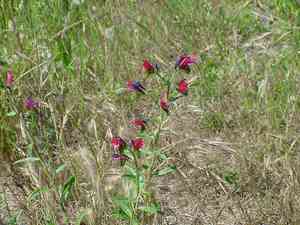
The most suitable period for relocating cretan viper's bugloss is from late spring to early summer, when the ground is amenable. Select a bright area featuring soil that drains effectively. Should it be required, enhance the site with compost to foster vigorous development.
What Preparations are Needed Before Transplanting Cretan Viper's Bugloss?
What is the Ideal Time for Transplanting Cretan Viper's Bugloss?
The optimal period for moving cretan viper's bugloss is from late spring through mid-summer. This timing aligns with cretan viper's bugloss's natural growth cycle, ensuring a smooth transition and promoting stronger development. Transplanting now encourages robust growth, as longer days and warmer soil create an ideal environment for root establishment, leading to abundant blooms in future seasons.
How Much Space Should You Leave Between Cretan Viper's Bugloss Plants?
When relocating cretan viper's bugloss, allow ample room for growth! Aim for a spacing of approximately 18-24 inches (45-60 cm). This ensures each plant has sufficient space to develop vigorously and fully, creating an attractive display in your garden.
What is the Best Soil Mix for Cretan Viper's Bugloss Transplanting?
Prepare the planting bed for cretan viper's bugloss! Enrich the soil with a good blend of compost or a balanced organic fertilizer. They thrive in well-draining, somewhat substantial soil—think loamy. This will give them an excellent start!
Where Should You Relocate Your Cretan Viper's Bugloss?
Cretan viper's bugloss loves sunshine, so choose a bright spot in your garden where they will receive at least 6 hours of daily light. This sun-loving plant will reward you with vibrant growth and beautiful flowers.
What Equipments Should You Prepare Before Transplantation Cretan Viper's Bugloss?
Gardening Gloves
To safeguard your hands while handling soil and plants.
Garden Trowel
For digging small holes and moving young or smaller plants.
Shovel or Spade
For excavating the root ball of larger plants from the ground, or for moving soil.
Watering Can or Hose
To hydrate the plant before and after the relocation process.
Pruning Shears
To trim any damaged roots or foliage prior to transplanting.
Wheelbarrow
To transport soil, mulch, or the plant itself if it is large.
Gardening Fork
To loosen the soil around the roots when extracting the plant.
Rooting Hormone (optional)
To stimulate root development after transplanting, if recommended for cretan viper's bugloss.
Mulch
To apply to the soil surface after transplanting, helping to retain moisture and suppress weeds.
How Do You Remove Cretan Viper's Bugloss from the Soil?
How Do You Remove Cretan Viper's Bugloss from the Soil?
From Ground: Water the cretan viper's bugloss plant to moisten the soil. Then, dig a wide trench around the plant using a shovel or spade, ensuring the plant's root ball remains intact. Carefully work the spade beneath the root ball to lift the plant from its original spot.From Pot: Start by watering your cretan viper's bugloss to make the root ball damp, which will help minimize root damage. Tilt the pot and gently tap or squeeze the sides to loosen the soil. Slowly ease the plant out, supporting the base and being careful not to pull on the stems or leaves.From Seedling Tray: Water the seedling tray to dampen the soil, making extraction easier. Use a garden trowel or dibbler to gently lift each seedling out of the tray, supporting the root ball and taking care not to harm the delicate roots.
Step-by-Step Guide for Transplanting Cretan Viper's Bugloss
Digging Hole
Excavate a hole in the prepared ground that is twice the width of the root ball and equally deep. This provides ample space for root expansion.
Inspecting Roots
Gently examine the root ball of cretan viper's bugloss. Trim any broken or damaged roots with pruning shears. If roots are tightly packed or circling, carefully separate them.
Plant Placement
Position cretan viper's bugloss in the center of the hole at a depth where the top of the root ball is level with or slightly above the ground surface. This prevents water from collecting around the stem.
Backfilling
Carefully refill the hole with soil, gently patting down around the roots to eliminate any air pockets without overly compacting the soil.
Watering
Thoroughly water cretan viper's bugloss after planting to settle the soil and help the roots establish contact with their new environment.
Mulching
Apply a layer of mulch around the base of cretan viper's bugloss, keeping it away from the stem to prevent rot and conserve soil moisture.
How Do You Care For Cretan Viper's Bugloss After Transplanting?
Initial Watering
Provide generous water for cretan viper's bugloss immediately after transplanting to ensure sufficient moisture reaches the roots.
Monitoring
Regularly check the plant to confirm it is adapting well. Look for signs of new growth, which indicates successful transplanting.
Adjusting
If you observe wilting or leaf discoloration, modify your watering schedule. More frequent irrigation may be necessary until cretan viper's bugloss is fully established.
Supporting
If cretan viper's bugloss is top-heavy or in a windy location, stake the plant to provide support and prevent damage.
Troubleshooting Common Issues with Cretan Viper's Bugloss Transplantation.
How do I know when it's the right time to transplant cretan viper's bugloss?
Relocate cretan viper's bugloss during the optimal window from late spring to mid-summer, for the best establishment.
What is the suggested spacing for transplanting cretan viper's bugloss successfully?
Space cretan viper's bugloss 18-24 inches (45-60 cm) apart to allow adequate room for growth.
Should cretan viper's bugloss be watered immediately after transplanting?
Yes, give cretan viper's bugloss a thorough watering right after transplanting to help settle the soil around the roots.
What type of soil is best for transplanting cretan viper's bugloss?
Utilize well-draining soil rich in organic matter to provide the best start for cretan viper's bugloss.
What should I do if leaves of cretan viper's bugloss wilt after transplanting?
Provide shade and water during the hottest part of the day until cretan viper's bugloss shows signs of recovery.
Can I fertilize cretan viper's bugloss at the time of transplanting?
It's advisable to wait until cretan viper's bugloss is established before applying a balanced, slow-release fertilizer.
How deep should I plant cretan viper's bugloss when transplanting?
Plant cretan viper's bugloss at the same depth it was growing in its previous container to prevent stem rot.
Is it necessary to prune cretan viper's bugloss when transplanting?
Pruning is not required unless you are removing damaged or dead foliage to encourage healthy growth.
How can I protect cretan viper's bugloss from pests after transplanting?
Regularly inspect cretan viper's bugloss and gently remove any pests by hand or use appropriate insecticidal soap.
What signs should I look for that indicate cretan viper's bugloss isn't thriving post-transplant?
Stunted growth, discoloration, or wilting that doesn't improve with care may signal transplant stress or disease in cretan viper's bugloss.



