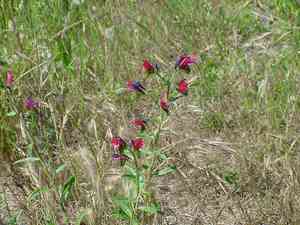
Cretan viper's bugloss (Echium creticum)
Also known as: Cretan Viper's Bugloss
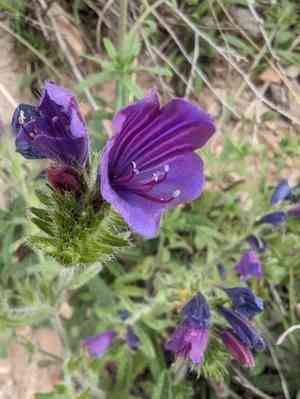
Echium creticum is an upright biennial plant that can grow to a height of 25 to 90 cm. It features one or more flower-bearing stems. The stem is characterized by a mix of stiff, protruding bristles that are thickened at the base and numerous short, closely-fitting hairs.
In This Article
Attributes of Cretan viper's bugloss
Lifespan
Biennial, Perennial
Plant Type
Herb
Plant Height
20 cm to 1.5 m
Spread
N/A
Leaf Color
Green
Flower Size
2 cm to 3 cm
Flower Color
Purple Red
Images of Cretan viper's bugloss
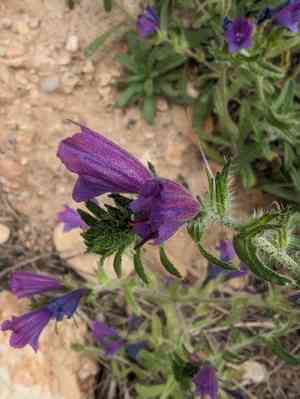
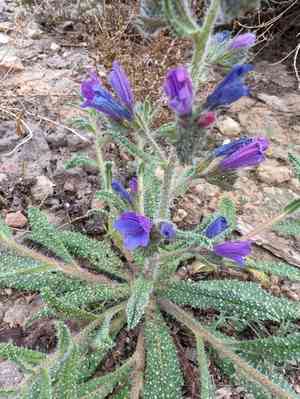
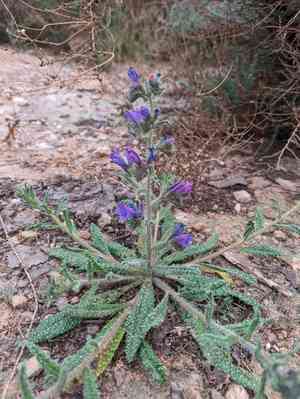
Quickly Identify Cretan viper's bugloss
1
Echium creticum can be identified by its hairy stems and leaves, and its clustered inflorescences of tubular flowers that change color from pink to blue as they mature.
Scientific Classification of Cretan viper's bugloss
Phylum
Vascular plants
Class
Dicotyledons
Order
Boraginales
Family
Borage
Genus
Viper's-buglosses
Species
Cretan viper's bugloss
Planting and Growing of Cretan viper's bugloss
Care Difficulty
Easy
Watering Schedule
Every 2 days
Sunlight Requirements
Full sun
Sunshine Duration
4-8 hours
Ideal Temperature
68-77℉
Soil Type
Potting Mix, Peat Mix
Soil pH
6.5-7.5
Fertilizer Type
Balanced
Pruning Season
Spring, Summer
Pruning Area
Branches, Leaves
Pruning Frequency
Once a year
Repotting Season
Spring
Pot Type
Plastic, Ceramic
 How to Water Cretan viper's bugloss?
Echium creticum requires careful watering where the soil is moistened without becoming waterlogged. Aim for 500 ml per watering, ensuring the top inch of soil feels dry before rewatering.
What are the symptoms of an underwatered Cretan viper's bugloss?
›
What should I do if my Cretan viper's bugloss is not getting enough water?
›
What are the symptoms of an overwatered Cretan viper's bugloss?
›
How to save an overwatered Cretan viper's bugloss?
›
 What Are the Sunlight Requirements for Cretan viper's bugloss?
Echium creticum thrives in full to partial sunlight, ideally 6 to 8 hours per day. This exposure helps the plant achieve optimal growth, resulting in more vibrant flowers and healthier foliage, enhancing its ornamental value.
More About Sunlight Requirements Techniques→
What is the ideal amount of sunlight for Echium creticum?
›
How can I ensure my Echium creticum receives adequate sunlight?
›
What are the benefits if Echium creticum receives its ideal lighting conditions?
›
 What Is the Ideal Temperature Range for Cretan viper's bugloss?
For optimal growth, Echium creticum thrives best between 68°F and 77°F. This temperature range provides a suitable environment for photosynthesis and healthy plant metabolism, ensuring vigorous growth and vibrant blooms.
 What Soil is Best for Cretan viper's bugloss?
Echium creticum thrives in well-drained soil, preventing waterlogging which can lead to root rot. Such soil allows excess water to drain away quickly, ensuring roots remain healthy and well-aerated. This condition promotes robust growth and flowering. This plant thrives in soil rich in basic nutrients, supporting its rapid growth and vibrant blooms. Adding organic matter like compost can enhance nutrient levels, ensuring the plant has all it needs for optimal development. Echium creticum has a preference for slightly alkaline soils, as these conditions help nutrients remain available and promote overall plant health. Maintaining a soil pH above 6.5 optimizes the availability of essential minerals.
 How to Fertilize Cretan viper's bugloss?
When fertilizing Echium creticum, use a balanced fertilizer at half the recommended strength for general garden use. For liquid fertilizers, mix one tablespoon per gallon of water and apply evenly. For slow-release fertilizers, use approximately one teaspoon per gallon of potting soil.
 How to Prune Cretan viper's bugloss?
It's crucial to avoid pruning during peak growth phases, as this can undo any development progress and potentially shock the plant. Always wait for the plant to finish blooming before you start trimming. While pruning, be vigilant for any signs of pests on the plant. Early detection allows for prompt treatment and can prevent infestations from spreading or damaging the Echium creticum further. Do not prune when the plant is wet or during damp, humid weather, as this increases the likelihood of disease. Choose a dry day to ensure that cuts seal properly and quickly, minimizing infection risks.
More About Pruning Techniques→
 How to Propagate Cretan viper's bugloss plant?
1
Prepare the seed bed by filling it with a well-draining soil mix. Ensure the soil is moist but not waterlogged as excess moisture can cause the seeds to rot.
2
Evenly distribute the seeds over the soil surface and lightly press them into the soil. Do not bury them too deep to allow light exposure, which is necessary for germination.
3
Select healthy shoots from the parent plant and cut a 4-6 inch segment just below a node. Remove the lower leaves but retain a few at the top to promote photosynthesis during rooting.
 How to Repot Cretan viper's bugloss plant?
1
Echium creticum shows signs of needing repotting when its roots start emerging from the drainage holes or when growth has significantly slowed down despite adequate watering and feeding. Additionally, if the plant becomes top-heavy and prone to tipping over, or the existing soil becomes compacted, it's a clear signal that repotting is due.
2
Choose a pot that is 1-2 inches larger in diameter than the current one, ensuring it has excellent drainage capabilities. Terracotta pots are ideal here as they allow the soil to breathe, preventing excessive moisture retention, which Echium creticum dislikes. This choice helps prevent root rot and promotes healthier growth.
3
Opt for a soil mix that emphasizes drainage, such as a cactus or succulent mix. This type of soil prevents water retention, which is beneficial as Echium creticum thrives in drier conditions. Adding a layer of coarse sand or perlite to the mix enhances drainage, allowing roots to expand without the risk of decay.
Toxicity
ingestion
WARNING
The judgment on toxicity and danger is for reference only. We DO NOT GUARANTEE any accuracy of such judgment. Therefore, you SHALL NOT rely on such judgment. It is IMPORTANT TO SEEK PROFESSIONAL ADVICE in advance when necessary.



