How to Prune Cretan viper's bugloss?
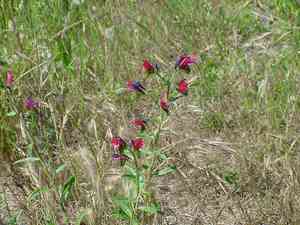
A striking Mediterranean variety, cretan viper's bugloss is recognized for its lofty floral stalks and hirsute foliage. Essential trimming entails removing faded blossoms to foster additional flowering, and reducing the plant after blooming to preserve a thick, contained form. The most effective pruning takes place from springtime through autumn, coinciding with the plant's period of vigorous development. Consistent trimming not only stimulates fresh development but also guarantees robustness, diminishing the likelihood of illness by improving air movement.
What Are the Benefits of Pruning Cretan Viper's Bugloss?
What Are the Benefits of Pruning Cretan Viper's Bugloss?
Trimming cretan viper's bugloss promotes robust development and preserves its attractive form. Eliminating lifeless or overgrown stems ensures energy is directed to healthier sections, improving the plant's structure and vigor.
What Is the Best Time for Pruning Cretan Viper's Bugloss?
What Is the Best Time for Pruning Cretan Viper's Bugloss?
Trimming cretan viper's bugloss in late spring coincides with the period after flowering, enabling gardeners to remove faded blooms and encourage a second wave of blossoms. Summer pruning is appropriate for shaping the plant and sustaining vitality while ensuring rapid wound recovery. Early fall pruning should be minimal, concentrating on removing any dead or damaged growth before the plant enters dormancy, and avoiding stimulating new growth that could be harmed by the onset of winter.
What Tools Do I Need to Prune Cretan Viper's Bugloss?
Bypass Pruners
Essential for making clean cuts on cretan viper's bugloss's stems without crushing plant tissue, which is vital for maintaining plant health.
Gloves
Protective gloves are important when handling cretan viper's bugloss, as the plant may have bristly foliage that can irritate the skin.
Loppers
For larger stems that bypass pruners cannot handle, loppers provide the leverage needed for a clean cut on cretan viper's bugloss.
Pruning Saw
In case of mature or woody stems in cretan viper's bugloss, a pruning saw will be necessary to cut through thicker growth.
Long-Handled Shears
These are suited for shaping and controlling the overall size of cretan viper's bugloss, especially for reaching into denser growth without harming the surrounding plant structure.
How to Prune Cretan Viper's Bugloss
Disinfect tools
Before starting to prune cretan viper's bugloss, sterilize your pruning tools using a solution of bleach or isopropyl alcohol to prevent the spread of disease.
Remove diseased parts
Carefully cut away any diseased leaves and branches from cretan viper's bugloss, making sure to remove any parts that show signs of infection to prevent it from spreading to healthy tissue.
Trim dead material
Identify and trim off any dead or withered leaves as well as any dead branches from cretan viper's bugloss. Make clean cuts to avoid damaging the healthy parts of the plant.
Shape plant
After removing any diseased or dead material, reshape cretan viper's bugloss by selectively trimming back overgrown branches to maintain a balanced form. Avoid heavy pruning to ensure cretan viper's bugloss can recover quickly.
Clean up
Discard all removed material properly and clean up any debris around cretan viper's bugloss to reduce the risk of disease. Clean your pruning tools again to remove any potentially diseased residue.
Common Pruning Mistakes with Cretan Viper's Bugloss
Over-pruning
Removing too much foliage from cretan viper's bugloss can deplete its energy reserves, harm its natural shape, and reduce flowering potential.
Improper Tool Use
Using dull or unclean tools can cause ragged cuts that are more susceptible to disease and pests.
Pruning Healthy Growth
Cutting away healthy growth indiscriminately can limit cretan viper's bugloss's ability to photosynthesize and grow.
Flush Cutting
Making flush cuts against the main stems can damage plant tissues and create larger wounds that are harder to heal.
Common Pruning Tips for Cretan Viper's Bugloss
Use Sharp Tools
Ensure that pruning shears are sharp and clean to make precise cuts that heal quickly.
Selective Thinning
Thin out crowded areas to enhance air circulation and light penetration, which supports cretan viper's bugloss's overall health and bloom production.
Shape Maintenance
Prune to maintain the natural shape of cretan viper's bugloss, clipping back wayward stems and deadheading spent flowers to encourage new growth.
Cut at an Angle
Make cuts at a 45-degree angle away from the bud to allow water to run off and prevent rot and disease.



