How to Transplant Blue globe thistle?
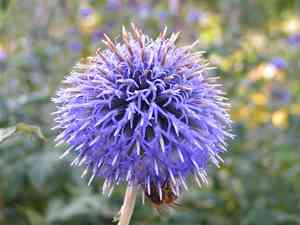
Mid-summer's heat provides an ideal period for transplanting blue globe thistle, encouraging robust root development. Select locations exposed to full sunlight with soil that drains effectively. Should division be necessary, execute it with minimal disruption to the roots to ensure a smooth adjustment.
Essential Preparations Before Relocating Blue Globe Thistle?
Optimal Timing for Blue Globe Thistle Relocation?
The best period for moving blue globe thistle is at the start of the growing season. The warmth of mid-spring encourages root development, setting the stage for vibrant summer displays. Transplanting during this window allows blue globe thistle's roots to settle in before intense summer heat, ensuring a spectacular show when their steel-blue flowers emerge. Your garden will benefit from the enhanced resilience and beauty blue globe thistle provides.
Required Spacing Between Blue Globe Thistle Plants?
First, measure your garden area. Blue globe thistle requires ample room to expand, typically about 2-3 feet (60-90 cm) apart. This may seem like a large gap, but it guarantees each plant has sufficient space for optimal development.
Ideal Soil Blend for Blue Globe Thistle Transplanting?
Next, prepare the ground. Blue globe thistle thrives in well-drained, sandy or loamy soil and prefers a foundational fertilizer rich in organic matter. Dig holes deep enough to cover the roots, and incorporate fertilizer for a nutrient-rich beginning.
Where to Replant Your Blue Globe Thistle?
Finally, select a planting site. Blue globe thistle loves sunlight, so choose a spot with full sun exposure. However, it can also endure partial shade. An area receiving at least 6 hours of sunlight should be perfect.
Equipment Needed Before Transplanting Blue Globe Thistle?
Gardening Gloves
To safeguard your hands from sharp thorns and dirt while handling the blue globe thistle.
Spade or Garden Trowel
These tools will be used to excavate the plant from its original spot and move it to its new location.
Pruning Shears
For trimming any unhealthy or dead foliage and stems of the blue globe thistle.
Garden Hose or Watering Can
To hydrate the soil and plant before and after the relocation process.
Wheelbarrow or Tarp
To safely transport the plant to its new site.
Plant Support Stake
If your blue globe thistle plant is tall, you might need a stake to prevent damage during the transplantation process.
How to Extract Blue Globe Thistle from the Ground?
How to Extract Blue Globe Thistle from the Ground?
From Ground: Start by watering the blue globe thistle plant to moisten the surrounding soil. This facilitates easier digging. Use your spade or garden trowel to dig a circular trench around the plant, ensuring the root ball remains intact. Gently work the spade or trowel beneath the root ball to lift the entire plant. Place it on a wheelbarrow or tarp for transport.From Pot: First, water your potted blue globe thistle plant. Tilt the pot sideways and gently tap around to loosen the soil and roots. Carefully slide the blue globe thistle plant out of the pot. If it resists, you might need to break the pot.From Seedling Tray: Water the tray and use a spoon or similar tool to scoop out the seedling by digging a circle around it, ensuring roots remain intact. Gently lift it by holding the leaves, not the stem.
Step-by-Step Guide for Relocating Blue Globe Thistle
Preparation
Before transplanting, it's advisable to water the blue globe thistle plant a day prior to minimize transplant shock.
Digging Hole
At the new site, dig a hole that is twice the size of the blue globe thistle plant's root ball to provide ample room for expansion.
Planting
Position your blue globe thistle plant in the hole. The top of the root ball should be level with the ground. Backfill the hole with soil, pressing it down gently.
Watering
Thoroughly water the area to settle the soil around the roots and eliminate air pockets.
Staking
If your blue globe thistle plant is tall, use a plant support stake to prevent it from toppling over.
Post-Transplant Care for Blue Globe Thistle
Watering
Ensure the soil around the blue globe thistle stays consistently damp, but not waterlogged, especially during the initial weeks after transplant. This aids in developing a strong root system.
Pruning
Remove any dead or withered leaves to encourage new growth and prevent the spread of disease.
Mulching
Apply a layer of mulch around the base of your blue globe thistle, avoiding direct contact with the stem, to help retain soil moisture and suppress weed growth.
Monitoring
Observe your blue globe thistle for signs of transplant shock, which may include wilting, yellowing, and leaf drop. If these symptoms appear, adjust watering and check the ambient temperature for optimal growing conditions.
Resolving Common Issues with Blue Globe Thistle Transplantation.
When is the best time to move blue globe thistle?
The ideal time to transplant blue globe thistle is during seasons 4 to 6, which spans late spring to early summer. This allows the plant sufficient time to establish before winter.
What spacing should I use when transplanting blue globe thistle?
Each blue globe thistle plant should be spaced approximately 2-3 feet (60-90 cm) apart. This ensures each plant receives adequate sunlight and room to grow.
My blue globe thistle appears wilted after transplanting, what went wrong?
Wilting could be due to transplant shock. Minimize this by keeping the rootball intact and watering thoroughly after relocating the blue globe thistle.
I believe my blue globe thistle isn't thriving after transplanting, what might be the issue?
Check if blue globe thistle receives enough sunlight, water, and nutrients. Provide well-drained soil and fertilize moderately for healthy growth. If conditions are extreme, consider moving it to a more suitable location.
What to do if my transplanted blue globe thistle isn't flowering?
Blue globe thistle blooms best with full sun exposure. If it's not flowering, consider relocating it to a sunnier spot and verifying it receives sufficient soil nutrients.
At what depth should I transplant blue globe thistle?
Blue globe thistle should be planted at the same depth it was previously growing. A sudden change in planting depth could cause stress to the plant.
The leaves of my blue globe thistle are yellowing after transplant, why?
Yellow leaves may indicate excessive water or poor drainage. Ensure your blue globe thistle is not sitting in water and the planting area drains well after watering.
Is pruning necessary for blue globe thistle after transplanting?
Blue globe thistle does not require immediate pruning after transplanting. However, in subsequent seasons, old flowers can be removed to encourage new blooms and maintain a tidy appearance.
Why is my transplanted blue globe thistle losing its leaves?
Leaf loss is common after transplant as the plant adapts to its new environment. Ensure it's adequately watered and not exposed to sudden temperature shifts. It should recover over time.
How long does it take for blue globe thistle to establish after transplanting?
Blue globe thistle may take several weeks to months to establish in a new location. Patience, consistent care, and protection from extreme conditions are crucial during this period.



