How to Prune Blue globe thistle?
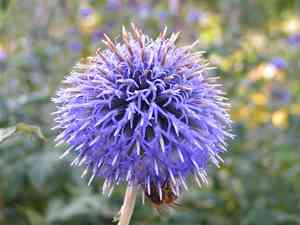
Distinguished by its prickly feel and spherical azure blossoms, blue globe thistle flourishes with judicious trimming to eliminate faded flowers and lifeless or injured stalks. Perform pruning in early spring to sculpt or diminish its dimensions, and deadhead following the initial burst of flowers to stimulate a subsequent flowering. Autumnal pruning at the close of the season aids in preserving the plant's vigor. Trimming guarantees a dense structure and can enhance the subsequent year's floral output, which is crucial for perennial garden bed arrangements.
Advantages of Trimming Blue Globe Thistle
Advantages of Trimming Blue Globe Thistle
Trimming blue globe thistle promotes abundant blooming, encourages robust development, and assists in maintaining a pleasing, compact form. Removing faded flowers can stimulate a second bloom and prevent unwanted self-seeding.
Optimal Period for Pruning Blue Globe Thistle
Optimal Period for Pruning Blue Globe Thistle
Pruning in late winter to early spring allows for the removal of any dead or damaged growth from blue globe thistle before new growth emerges, fostering a healthy and strong structure for the upcoming season. Pruning immediately after flowering, typically in summer for blue globe thistle, is beneficial as it helps prevent self-seeding if not desired and can encourage a second, though smaller, flush of flowers. Optional fall pruning involves cutting back spent flower stems and tidying the plant after the growing season, which helps maintain its shape and prevents self-sowing if seed heads were not removed earlier. This can also reduce the likelihood of disease and pest infestation over winter.
Necessary Tools for Pruning Blue Globe Thistle
Bypass Pruners
Bypass pruners are perfect for blue globe thistle due to their capacity for clean, accurate cuts. This helps avoid stem crushing, which promotes healthy regrowth and prevents damage or illness.
Long-Handled Loppers
Blue globe thistle can develop thicker stems as it matures. Long-handled loppers are useful for trimming these stems with ease, especially in denser areas of the plant, without causing strain to the gardener's hands.
Gardening Gloves
Gardening gloves are crucial for protecting hands from blue globe thistle's spiky foliage during pruning. They also provide a better grip on tools.
Garden Waste Bag
A garden waste bag is essential for collecting and removing the cut foliage of blue globe thistle, keeping the garden tidy and reducing the chance of disease spread.
How to Prune Blue Globe Thistle
Sanitize tools
Before beginning the pruning process, sanitize your pruning tools to prevent the spread of disease to blue globe thistle. Use a diluted bleach solution or alcohol wipes to thoroughly clean the blades.
Remove diseased leaves
Identify and carefully remove any diseased leaves from blue globe thistle by cutting them at their base where they meet the stem. Diseased leaves may spread infection to other parts of the plant, so prompt removal is important.
Trim withered leaves
Cut away withered leaves that have completed their life cycle. Snip them off where they connect to the stem or branch of blue globe thistle, being careful not to harm nearby healthy foliage.
Deadhead flowers
Deadhead faded flowers by cutting the flower stem back to the base or to a set of new leaves. This encourages blue globe thistle to produce new growth and potentially more blooms, keeping the plant looking neat.
Clear cuttings
After pruning blue globe thistle, clear all cuttings from around the plant to deter pests and diseases from taking hold in the debris. Dispose of or compost the trimmings appropriately.
Common Pruning Errors with Blue Globe Thistle
Excessive pruning
Removing too much foliage from blue globe thistle at once can stress the plant, making it more susceptible to diseases and reducing its vigor.
Incorrect cuts
Making jagged or torn cuts on blue globe thistle's stems can create open wounds that are vulnerable to pests and disease.
Pruning live flowers
Cutting off live blossoms during pruning can decrease blue globe thistle's overall flowering. It is necessary to differentiate between dead and live blooms.
Ignoring spent blooms
Failing to remove spent flowers can lead to seed formation, which may decrease future blooming as the plant puts energy into seed production rather than new growth.
Not sanitizing tools
Pruning blue globe thistle with dirty tools can introduce pathogens that may infect cuts, potentially leading to disease.
Uneven pruning
Pruning blue globe thistle unevenly can result in a lopsided or unattractive shape, affecting the plant's overall aesthetics.
General Pruning Advice for Blue Globe Thistle
Selective cutting
Carefully select which stems to cut back on blue globe thistle, aiming to maintain natural shape and support new growth.
Height reduction
If reducing height, cut stems of blue globe thistle back to a strong set of leaves, ensuring the plant remains balanced and can rejuvenate.
Encourage bushiness
Prune blue globe thistle stems at varying heights to encourage a bushier plant, with more stems leading to potential increased flower production.
Deadheading
Regularly deadhead blue globe thistle by removing spent flowers before they set seed to encourage continuous blooming and prevent self-sowing if not desired.
Tool care
Always use sharp, clean pruning shears when trimming blue globe thistle, to make clean, precise cuts that heal quickly and reduce disease risk.
Thinning crowns
Thin out dense crowns of blue globe thistle to improve air circulation, which helps prevent fungal diseases and encourages new growth from the base.



