How to Transplant Echeveria mucronata?
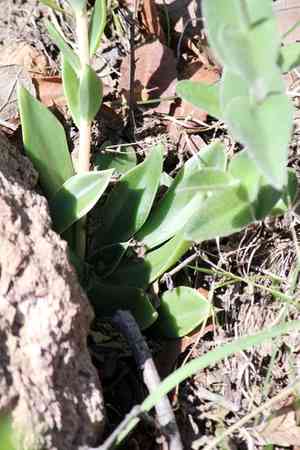
Echeveria mucronata flourishes when repotted during the warmth of late spring or early summer, benefiting from ideal growth circumstances. Provide a bright, adequately draining spot for superior outcomes. Careful handling is crucial to prevent harm to the roots.
What Preparations are Needed Before Transplanting Echeveria Mucronata?
What is the Ideal Time for Transplanting Echeveria Mucronata?
Relocating echeveria mucronata, a perennial plant, is best performed from late spring to early summer. During this period, soil temperatures are elevated, promoting robust root development, and the plant can establish itself prior to the hotter summer months. This timing improves its adaptability, reduces transplant shock, and encourages vigorous growth.
How Much Space Should You Leave Between Echeveria Mucronata Plants?
When moving echeveria mucronata, position them 6-12 inches (15-30 cm) apart. This spacing will provide each plant ample room to grow without crowding, ensuring they receive sufficient nutrients and water.
What is the Best Soil Mix for Echeveria Mucronata Transplanting?
For echeveria mucronata, utilize soil that drains well, ideally a cactus or succulent blend. Enhance it with a balanced base fertilizer to supply essential nutrients. Aim for a mixture that is approximately 1 part organic matter to 2 parts inorganic matter such as perlite or pumice.
Where Should You Relocate Your Echeveria Mucronata?
Echeveria mucronata thrives with abundant sunlight. Select a spot that receives full sun for at least 6 hours daily but offers some afternoon shade to prevent leaf burn, particularly in warmer climates.
What Equipments Should You Prepare Before Transplantation Echeveria Mucronata?
Gardening Gloves
To safeguard your hands while handling soil and the plant.
Small Shovel or Trowel
To excavate around and carefully lift the plant.
Gardening Fork
To loosen the earth surrounding the plant, especially if the ground is hard.
Watering Can
To hydrate the plant before and after its relocation.
Pot or Container
To temporarily hold the plant if it's being moved from one spot to another.
How Do You Remove Echeveria Mucronata from the Soil?
How Do You Remove Echeveria Mucronata from the Soil?
From Ground: First, irrigate the echeveria mucronata plant to moisten the soil. Next, dig a wide trench around the plant using a shovel or trowel, ensuring the plant's root ball remains intact. Carefully work the tool beneath the root ball to extract the plant from its original position.From Pot: Gently compress the sides of the pot to loosen the soil and roots. Tilt the container and carefully ease the plant out by its base, avoiding pulling directly on the stems or leaves as this can cause damage.From Seedling Tray: Lightly water the tray to dampen the soil. Use a small implement or your fingers to gently lift the seedlings from the tray, taking care not to harm the delicate roots.
Step-by-Step Guide for Transplanting Echeveria Mucronata
Prepare the New Site
Select a location with adequate sunlight and room for your echeveria mucronata plant to reach its mature size. Ensure the soil drains well to prevent root rot.
Gently Remove the Plant
Follow the procedure for extracting the plant from its initial spot. Handle the plant and roots with care to avoid harm.
Dig the New Hole
Create a hole in the new location that is slightly larger than the plantâs root ball. This will allow the roots space to spread.
Planting
Position the echeveria mucronata plant in the new hole at the same depth it was previously growing. Backfill the hole with soil, firming it around the plant to eliminate air pockets.
Watering
Thoroughly water the plant after transplanting to help settle the soil around the roots.
How Do You Care For Echeveria Mucronata After Transplanting?
Watering
Keep the soil around the echeveria mucronata consistently damp, but not waterlogged, for the initial few weeks post-transplant to aid in establishing strong roots.
Mulching
Apply a layer of mulch around the plant to help retain moisture and suppress unwanted weeds.
Monitoring
Observe for indications of transplant shock, such as wilting or leaf drop, and adjust care as necessary. Provide protection from strong winds and direct sunlight initially, if required.
Troubleshooting Common Issues with Echeveria Mucronata Transplantation.
When is the best time to transplant echeveria mucronata?
Late spring or early summer is optimal for relocating echeveria mucronata to ensure healthy development.
How much spacing should I provide for echeveria mucronata?
Echeveria mucronata should be positioned 6-12 inches (15-30 cm) apart for ideal growth and air circulation.
What type of soil is best for echeveria mucronata?
Well-draining soil, such as a cactus or succulent mix, is perfect for moving echeveria mucronata.
How should I prepare echeveria mucronata for transplanting?
Water echeveria mucronata a few days before transplanting and gently loosen the soil around its roots.
What should I do if echeveria mucronata looks stressed after transplanting?
Keep echeveria mucronata in partial shade and water moderately until it shows signs of recovery.
Can I transplant echeveria mucronata during hot weather?
Avoid moving echeveria mucronata during extreme heat; prefer cooler periods of late spring or early summer.
How deep should I plant echeveria mucronata during transplanting?
Plant echeveria mucronata at the same depth it was previously growing to prevent stress and decay.
What is the best way to water echeveria mucronata after transplanting?
Water thoroughly after transplanting, then allow the soil to completely dry before the next watering session.
What should I do if echeveria mucronata has root rot during transplanting?
Trim affected roots, let them harden, and repot into fresh, well-draining soil to prevent further rot.
Should I use fertiliser after transplanting echeveria mucronata?
Refrain from fertilizing immediately; wait at least a month to allow echeveria mucronata to acclimate to its new location.



