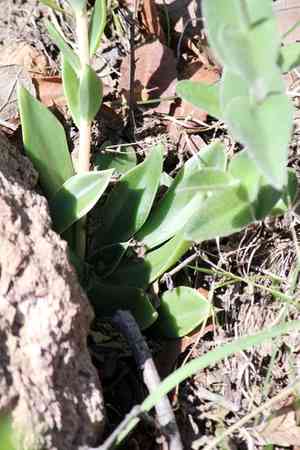
Echeveria mucronata (Echeveria mucronata)
Also known as: Mucronate Echeveria
Echeveria mucronata is a succulent with rosettes of fleshy, spatula-shaped leaves that often boast a pointed, slightly red tip, resembling a mucro. The leaves' bluish-green hue with a powdery coating helps echeveria mucronata reduce water loss. Adaptable to rocky outcrops, this drought-resistant plant thrives in well-drained soil, relying on limited moisture sources.
In This Article
Attributes of Echeveria mucronata
Lifespan
Perennial
Plant Type
Succulent
Plant Height
Up to 15 cm (6 inches)
Spread
Up to 20 cm (8 inches)
Leaf Color
Green, with possible shades of pink or purple
Flower Size
Approximately 1-2 cm
Flower Color
Yellow or red
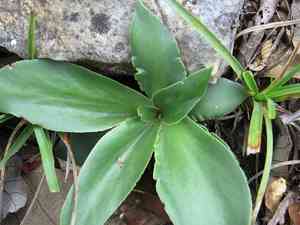
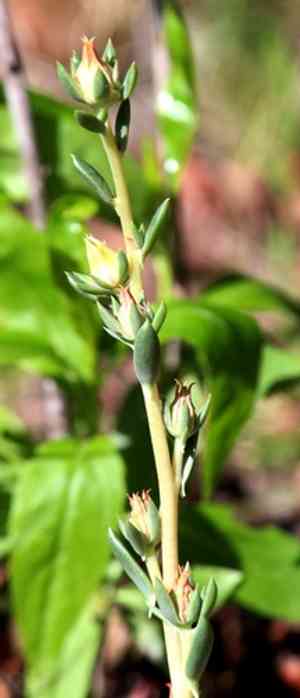
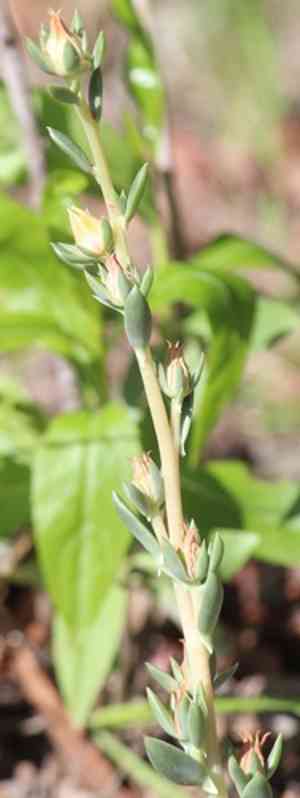
Images of Echeveria mucronata
Quickly Identify Echeveria mucronata
1
Echeveria mucronata can be identified by its rosette form, with fleshy, slightly pointed leaves that may take on a variety of colors, including shades of green, pink, and purple. The leaf tips often have a distinct pointed structure.
Scientific Classification of Echeveria mucronata
Phylum
Vascular plants
Class
Dicotyledons
Order
Saxifragales
Family
Stonecrop
Genus
Echeveria
Species
Echeveria mucronata
Planting and Growing of Echeveria mucronata
Care Difficulty
Easy
Watering Schedule
Every 2 days
Sunlight Requirements
Full sun
Sunshine Duration
6-10 hours
Ideal Temperature
60-75℉
Soil Type
Potting Mix, Peat Mix
Soil pH
6-7.5
Fertilizer Type
Balanced
Pruning Season
Spring, Summer
Pruning Area
Branches, Leaves
Pruning Frequency
2 times a year
Repotting Season
Spring
Pot Type
Plastic, Ceramic
 How to Water Echeveria mucronata?
For Echeveria mucronata, applying approximately 150 ml of water ensures the soil is adequately moistened without becoming waterlogged. It's important that the water drains well and the soil dries out between waterings to mimic its natural arid environment.
What are the symptoms of an underwatered Echeveria mucronata?
›
What should I do if my Echeveria mucronata is not getting enough water?
›
What are the symptoms of an overwatered Echeveria mucronata?
›
How to save an overwatered Echeveria mucronata?
›
 What Are the Sunlight Requirements for Echeveria mucronata?
Echeveria mucronata requires full or partial sun, ideally 4 to 6 hours of sunlight for thriving growth. Proper lighting enhances its color and development, promoting a compact and vigorous appearance.
How much light does Echeveria mucronata require?
›
What solutions exist to provide optimal lighting?
›
What benefits does optimal lighting bring?
›
 What Is the Ideal Temperature Range for Echeveria mucronata?
Echeveria mucronata thrives best in temperatures ranging from 60°F to 75°F. This range ensures that the plant receives enough warmth to facilitate proper metabolic activity and growth without causing thermal stress.
 What Soil is Best for Echeveria mucronata?
Echeveria mucronata thrives in well-drained soil, which allows excess water to flow away and prevents root rot. The plant enjoys conditions similar to its native semi-desert environment, leading to healthier growth and vibrant foliage. This succulent prefers a light and airy soil texture that encourages the roots to breathe. Such soil promotes efficient nutrient absorption, which is crucial for its development and blooming. While Echeveria mucronata can survive with minimal nutrients, a soil enriched with organic matter can significantly enhance its growth. Nutrient-rich soil provides essential minerals, resulting in a more robust and resilient plant.
 How to Fertilize Echeveria mucronata?
For Echeveria mucronata, a balanced approach to fertilization is key. Use a diluted liquid fertilizer at one-quarter strength to avoid overwhelming the plant. For solid fertilizers, apply in small granules or slow-release pellets, ensuring the nutrients are gradually absorbed by the plant's roots. Excessive fertilization can lead to root damage and nutrient imbalances.
 How to Prune Echeveria mucronata?
Look for leaves that are discolored, damaged, or dried up. Gently remove them by cutting close to the base. Removing these leaves helps the plant redirect energy to healthier parts. To encourage an even shape, gently prune back sections of the plant that are overgrown. This prevents the Echeveria mucronata from becoming leggy and encourages a symmetrical rosette form. For more extensive pruning, such as removing offsets or reshaping, make sure to let the cut areas callous over before watering to prevent rot. This is particularly important for maintaining plant health after pruning.
More About Pruning Techniques→
 How to Propagate Echeveria mucronata plant?
1
Use a well-draining soil mix, preferably formulated for succulents. This minimizes the risk of root rot and provides the necessary nutrients for healthy growth.
2
Evenly distribute the seeds on the soil surface and cover them lightly with a thin layer of sand. Keep the soil slightly moist, and ensure the area is warm and well-lit.
3
Cut a healthy leaf or stem from the plant using sterilized scissors. Allow the cut end to callus over for a few days before planting it in the prepared soil mix.
 How to Repot Echeveria mucronata plant?
1
Echeveria mucronata shows it's time for repotting when its roots outgrow the container or when the soil becomes too compacted, impairing drainage. Spring and summer are ideal repotting seasons as the plant enters active growth, allowing it to recover quickly.
2
Selecting a pot with proper drainage holes is crucial for Echeveria mucronata. Opt for a container slightly larger than the current one to accommodate growth but not so large that it retains excess moisture, which can lead to root rot—it should support the plant securely without overwhelming its root system.
3
Opting for well-draining soil like a cactus mix is essential. Such soil usually contains perlite or sand, which enhances drainage, preventing root rot and ensuring your Echeveria mucronata thrives by replicating its natural arid environment.



