How to Prune Echeveria mucronata?
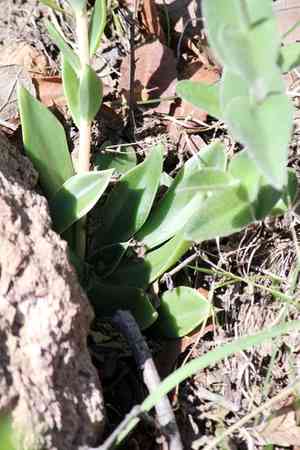
Echeveria mucronata is a succulent that develops in a rosette pattern, recognized for its thick foliage. The main period for trimming this plant is in late winter or early spring, which fosters robust development and preserves its structure. Eliminate any withered or compromised leaves and shorten elongated stems to encourage a dense appearance. Refrain from over-pruning to avert strain. Consistent trimming aids in better air circulation, lowers the chance of illness, and boosts its visual charm.
Advantages of Trimming Echeveria Mucronata
Advantages of Trimming Echeveria Mucronata
Echeveria mucronata benefits from trimming to promote robust development and maintain its form. This fosters healthy growth, improves its look, and prevents elongated stems, ensuring a dense and appealing plant.
Optimal Period for Trimming Echeveria Mucronata
Optimal Period for Trimming Echeveria Mucronata
Trimming Echeveria mucronata in late winter or early spring is ideal, as these times align with the plant's dormant or semi-dormant phase. During these periods, Echeveria mucronata is less prone to growth stress, simplifying the removal of dead or damaged foliage without impacting its overall health. Furthermore, pruning in early spring ensures the plant is well-prepared for the upcoming growth season, allowing it to allocate energy to producing new, healthy shoots and leaves. Trimming during these prime seasons encourages a more vigorous and aesthetically pleasing growth pattern throughout the year.
Necessary Tools for Trimming Echeveria Mucronata
Pruning Shears
Sharp, clean pruning shears are perfect for removing dead or damaged leaves without harming the plant. Opt for bypass pruners for a clean cut.
Precision Scissors
For intricate, delicate tasks, especially when handling smaller leaves or offsets, precision scissors enable accurate and careful trimming.
Small, Hand-Held Blades or Knives
Useful for eliminating dead flower stalks or spent blooms, which can help stimulate new growth.
How to Trim Echeveria Mucronata
Inspection
Regularly check Echeveria mucronata for any indications of diseased or withered leaves. This is vital for maintaining plant health.
Sterilization
Before trimming, sterilize your pruning shears with rubbing alcohol or a disinfectant solution to prevent the spread of pathogens.
Diseased leaves removal
Carefully snip off any diseased leaves at their base, ensuring to cut just above the healthy part of the leaf. Dispose of these leaves away from other plants to prevent disease spread.
Withered leaves removal
Remove any withered or dead leaves by cutting them at the base. These parts can often be gently pulled away if they are completely dead, but use shears for clean cuts if necessary.
Aftercare
Monitor the plant closely after trimming to ensure no disease recurrence. Water the plant appropriately, and keep it in well-drained soil to encourage healthy new growth.
Common Trimming Errors with Echeveria Mucronata
Improper Technique
A frequent error is using dull or dirty trimming tools, which can injure the plant and introduce infections. Always use sharp, clean tools for precise cuts.
Over-pruning
Gardeners, especially beginners, often remove too much foliage, which can stress Echeveria mucronata and hinder its growth. Excessive trimming can also leave the plant susceptible to pests and diseases.
Wrong Timing
Trimming at the incorrect time in the Echeveria mucronata growth cycle can also be harmful. While timing specifics aren't included here, understanding the plant's active and dormant periods is crucial.
Neglecting Air Circulation
Failing to thin out dense areas can lead to poor air circulation, fostering a humid environment that promotes disease. Avoid overgrowth by selectively removing sections to keep the plant well-ventilated.
General Trimming Advice for Echeveria Mucronata
Use Sterilized Tools
Always begin by sterilizing your trimming tools with rubbing alcohol or a bleach solution to prevent the spread of pathogens.
Target Dead or Damaged Leaves
Focus on removing dead or damaged leaves. This not only improves Echeveria mucronata's appearance but also helps redirect the plant's energy towards new growth.
Trim Leggy Stems
If Echeveria mucronata becomes leggy, trim the stems to encourage a more compact and bushy growth habit. Make sure to cut just above a leaf node or a branching point.
Cut Conservatively
Trim sparingly by removing only up to a third of the plant at one time. This minimizes stress and helps maintain the plant's overall health.
Positioning and Light
After trimming, ensure Echeveria mucronata is returned to an area with appropriate light conditions, as improper lighting can negate the benefits of trimming.



