How to Transplant Chalk Lettuce?
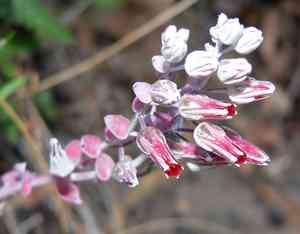
Select the vibrant period of early to mid-spring for relocating chalk Lettuce, as this timing aligns with their peak growth readiness. Identify a well-lit location featuring superior drainage. Should it be necessary, enrich the soil with small stones to enhance water permeability.
What Preparations are Needed Before Transplanting Chalk Lettuce?
What is the Ideal Time for Transplanting Chalk Lettuce?
For chalk Lettuce, early to mid-spring marks the optimal period for relocation. Moving them to new surroundings during this time leverages the strong spring growth surge, ensuring robust establishment and resilience. This window, characterized by mild weather and increased daylight, encourages chalk Lettuce's roots to grow deeply, firmly anchoring them for future development. Transplanting before the summer heat provides your chalk Lettuce the necessary recovery and thriving period, setting the stage for a flourishing display in its new home.
How Much Space Should You Leave Between Chalk Lettuce Plants?
When arranging chalk Lettuce for transplanting, aim for a spacing of approximately 1-2 feet (30-60 cm) between plants. This provides ample room for each plant to develop and flourish. Remember, proper spacing encourages healthy growth!
What is the Best Soil Mix for Chalk Lettuce Transplanting?
Prepare the soil for chalk Lettuce using a well-draining cactus or succulent mix, enhanced with some organic compost. A light application of slow-release granular fertilizer can provide an excellent start for your new plants.
Where Should You Relocate Your Chalk Lettuce?
Regarding location, chalk Lettuce thrives in sunny spots! Endeavor to locate an area in your garden that receives at least 6 hours of direct sunlight daily. Note that they can also tolerate partial shade. Best of luck!
What Equipments Should You Prepare Before Transplantation Chalk Lettuce?
Spade
A flat, sharp gardening tool used to assist in removing the plant from its current spot and digging the new hole.
Gardening Gloves
To safeguard your hands while handling soil and the chalk Lettuce.
Watering Can
To ensure the plant remains hydrated before, during, and after the transplanting process.
Wheelbarrow
A convenient method for transporting the chalk Lettuce from its original location to the new one without causing damage.
Gardening Fork
To aerate the soil in the new planting site before placing the plant.
Compost
An organic material utilized during transplanting to enrich the soil with nutrients.
Mulch
To spread around the plant post-transplant to help retain soil moisture.
How Do You Remove Chalk Lettuce from the Soil?
How Do You Remove Chalk Lettuce from the Soil?
From Ground: Before extracting the chalk Lettuce from the ground, moisten the area to soften the soil, facilitating easier removal. Dig a wide trench around the chalk Lettuce with a spade, ensuring the plant's root ball stays intact. Carefully work the spade beneath the root ball to lift the plant from the ground.From Pot: If the chalk Lettuce is in a pot, turn the pot on its side and gently tap it to loosen the root ball. Handle the plant carefully by its base, avoiding stems or leaves. If the plant is stuck, try squeezing the pot to loosen the soil and roots.From Seedling Tray: For chalk Lettuce germinated in a seedling tray, water the tray first to dampen the soil. Then, carefully lift the seedling from its cell by pushing from the bottom, making sure to hold it by its leaves to prevent stem and root damage.
Step-by-Step Guide for Transplanting Chalk Lettuce
Preparation
Thoroughly water the chalk Lettuce and the new planting site. The soil should be moist but not saturated.
Using Fork
Employ the fork to loosen the soil at the new location. This aids the chalk Lettuce's root system in spreading easily.
Digging a Hole
Excavate a hole twice as wide and nearly as deep as the chalk Lettuce's rootball.
Planting
Position the chalk Lettuce in the hole, keeping the top of the root ball level with the soil surface.
Backfilling
Carefully refill the hole, gently firming the soil to eliminate air pockets.
Watering
Water the plant thoroughly to settle the soil.
Apply Mulch
Finally, apply mulch around the plant to conserve water and inhibit weed growth.
How Do You Care For Chalk Lettuce After Transplanting?
Monitoring
Regularly check on your chalk Lettuce after transplanting to ensure it's adapting well to its new environment and conditions. If you observe any wilting, it might indicate plant stress. In such cases, provide additional water.
Pruning
Remove any dead or damaged leaves to encourage new growth.
New Irrigation Schedule
The chalk Lettuce may require more frequent watering immediately after transplanting. Adjust the watering schedule as needed to keep the soil consistently moist, but avoid overwatering.
Caution Against Pests and Diseases
Be vigilant for pests and diseases – newly transplanted plants can be particularly susceptible. Seek advice from a gardening expert or local nursery if necessary.
Troubleshooting Common Issues with Chalk Lettuce Transplantation.
What's the ideal time of year to transplant chalk Lettuce?
A friendly reminder, chalk Lettuce prefers to be transplanted between the first and second seasons (S1-S2). It truly benefits from the mild weather during this period!
How much space should I allocate for each chalk Lettuce plant when transplanting?
To be safe, allow a generous 1-2 feet (30.5-61 cm) between each chalk Lettuce. This provides ample room for each plant to grow and flourish.
What type of soil is suitable for transplanting chalk Lettuce?
Chalk Lettuce thrives in well-drained soil. If transplanting, incorporate some sand or small pebbles to enhance drainage. A little preparation goes a long way.
How deep should I plant chalk Lettuce during transplantation?
Plant chalk Lettuce at the same depth as it was in its nursery pot. This will help it adapt most easily to its new environment and thrive!
How soon should I water chalk Lettuce after transplanting?
After transplanting chalk Lettuce, water it immediately. This initial hydration can be quite revitalizing for the recently moved plant.
What's the best condition for transplanting chalk Lettuce?
Choose an overcast but dry day for transplanting chalk Lettuce. Doing so helps the plant adjust without experiencing shock from excessive sunlight.
What should I do if the leaves of my chalk Lettuce turn yellow after transplanting?
Yellow leaves might signal water stress. Ensure chalk Lettuce is adequately watered, but not excessively. Carefully balance hydration and drainage.
Should I fertilize chalk Lettuce right after I transplant it?
Refrain from fertilizing chalk Lettuce immediately after transplanting. Allow it a couple of weeks to acclimate to its new surroundings before feeding.
What should I observe on the chalk Lettuce after transplanting?
Monitor its leaf color and growth rate. These are the best indicators of how successfully chalk Lettuce has adapted to the transplant.
Is it necessary to prune chalk Lettuce during transplanting?
While not strictly essential, a gentle prune to remove dead or overgrown parts during transplantation can help chalk Lettuce focus its energy on new growth.



